
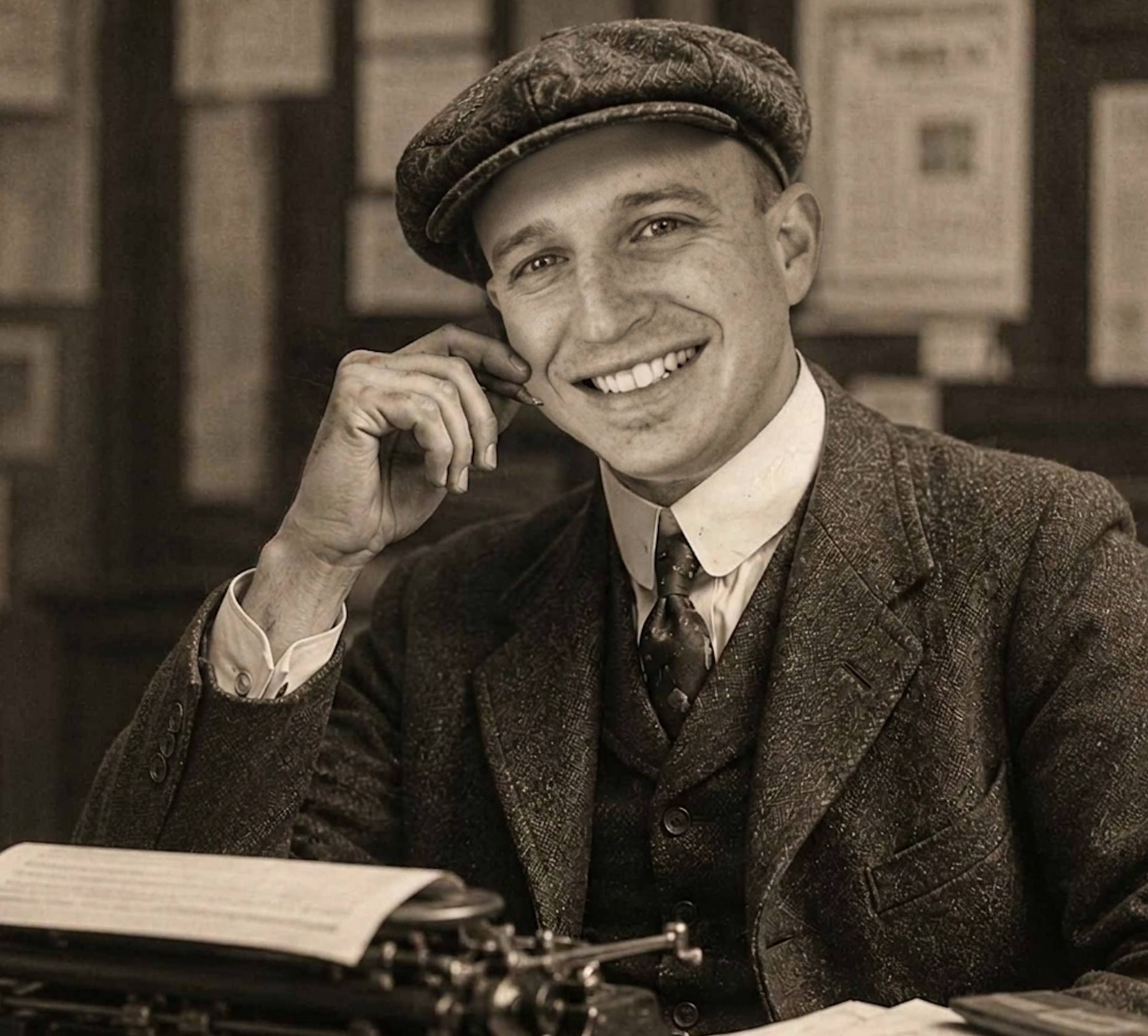
The scene begins with a rattle of ice and a hush of anticipation. In many living rooms not so long ago, the host would slide frosted glasses from the freezer, measure with ceremony, and—just before the first sip—offer a few well-chosen words. It wasn’t simply a drink; it was a little performance, a promise that the evening would be different from the workday that came before.
The Home Bar as a Little Theater
In the past, home entertaining had its own quiet rules. The 1960s, more than any other decade, treated cocktail hour like a mini production. The bar set had to be laid out, the glassware was always just right, and the bottles were consistently within reach but never cluttered. How you mixed a drink said as much about your welcome as your handshake did at the door. Booklets and bar guides multiplied, explaining how to measure a jigger, when to stir or shake, and why it mattered to chill the glass before anything else.
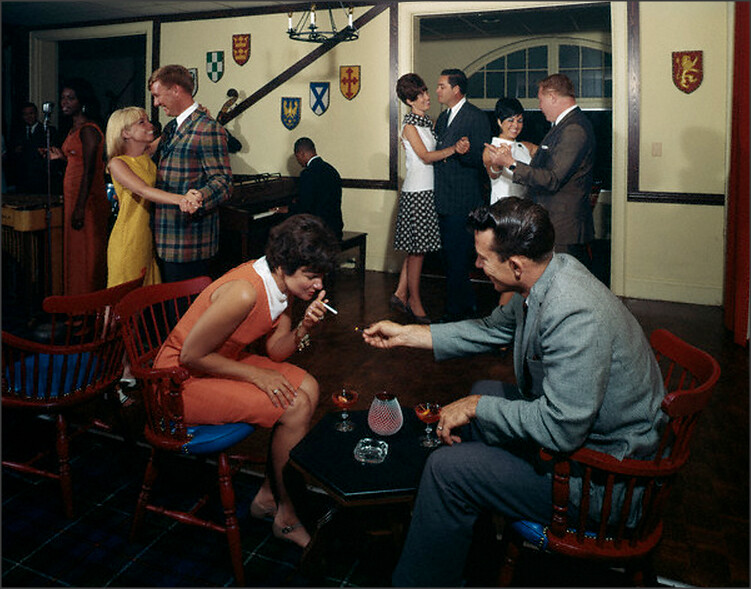
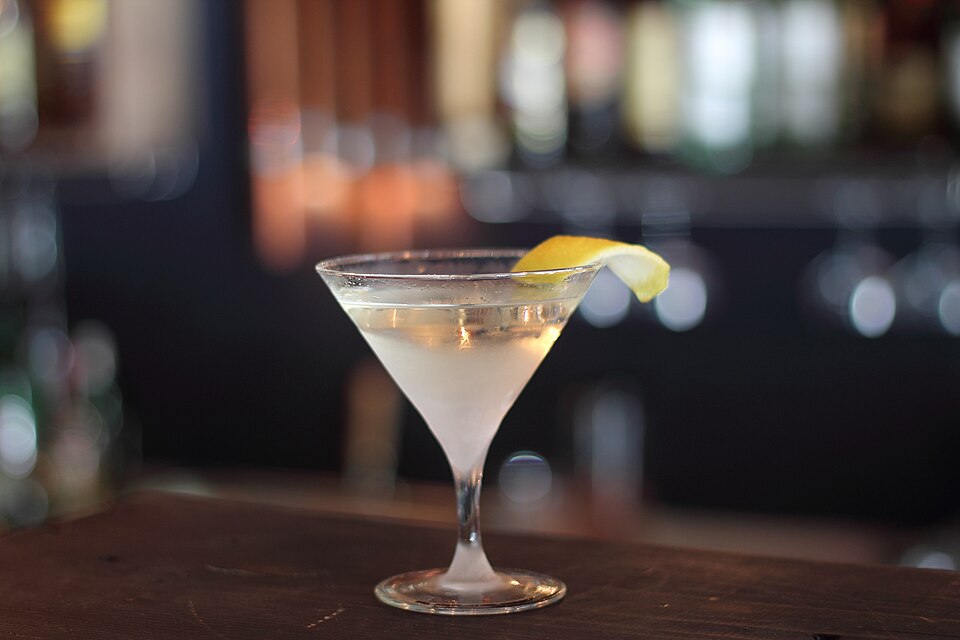
While this practice of drink-centered hospitality was often ritual-like, it also involved very little frill. Drinks were simple, yet sophisticated. Clear, spirit-forward cocktails—martinis, Manhattans, Rob Roys—were given a gentle stir to keep them crisp and polished; and were delicately sipped throughout the night. Drinks with juice or dairy got a vigorous shake to wake them up. It had to be sugar before spirit and ice just before serving (never skimp on the cubes)—rules that read like a host’s quiet code of honor. The ice had an important role to play. It had to be fresh and plentiful, and was swapped out between rounds so that every glass began cold and hopeful. These guidelines weren’t complicated. Their simplicity created an atmosphere that was consistently beautiful and delicious.
What We Were Toasting (and Why)
Of course, the words mattered as much as the drink. Mid-century hosts often kept a mental index of one-liners for birthdays, weddings, and reunions, some witty, some tender. These calls for good-health and happiness may have surrounded cocktail hour in the ’60s, but it wasn’t a new phenomenon. Raising a glass to someone’s health reaches back to the Greeks and Romans, who treated the gesture as a visible pledge of goodwill, and to the north, where the Viking’s “skål” echoed through raucous halls. The British favored cheerful calls like “Bottoms up,” a nod, some say, to the dregs that collected in old wine bottles. By the time those phrases crossed the Atlantic, Americans had made them their own, seasoning them with humor and sentiment. By the sixties, these drinks no longer had wine’s dregs, but were wonderfully sophisticated — stiff and clear.

The Drinks That Defined Grown‑Up Style
Some cocktails practically carried the evening on their shoulders. The Old Fashioned (rye whiskey, sugar, bitters, finished with an orange peel), the Manhattan (whiskey, sweet vermouth, bitters), and the Martini (vodka/gin with dry vermouth, garnished with an olive or lemon peel) stood as household standards. Importantly, they were spirit forward and never shy. Lighter guests were ushered toward Tom Collinses, Rickeys, or gimlets, crisp and sparkling. And when the night called for flourish, the French 75 glimmered with bubbles, while the Sidecar glowed amber and bright at all at once. Lists of recipes, such as this one— 17 vintage cocktail recipes — remind us that the Bee’s Knees once turned gin, lemon, and honey into a little poem, while that champagne-and-gin number seemed delicate, but packed a punch.
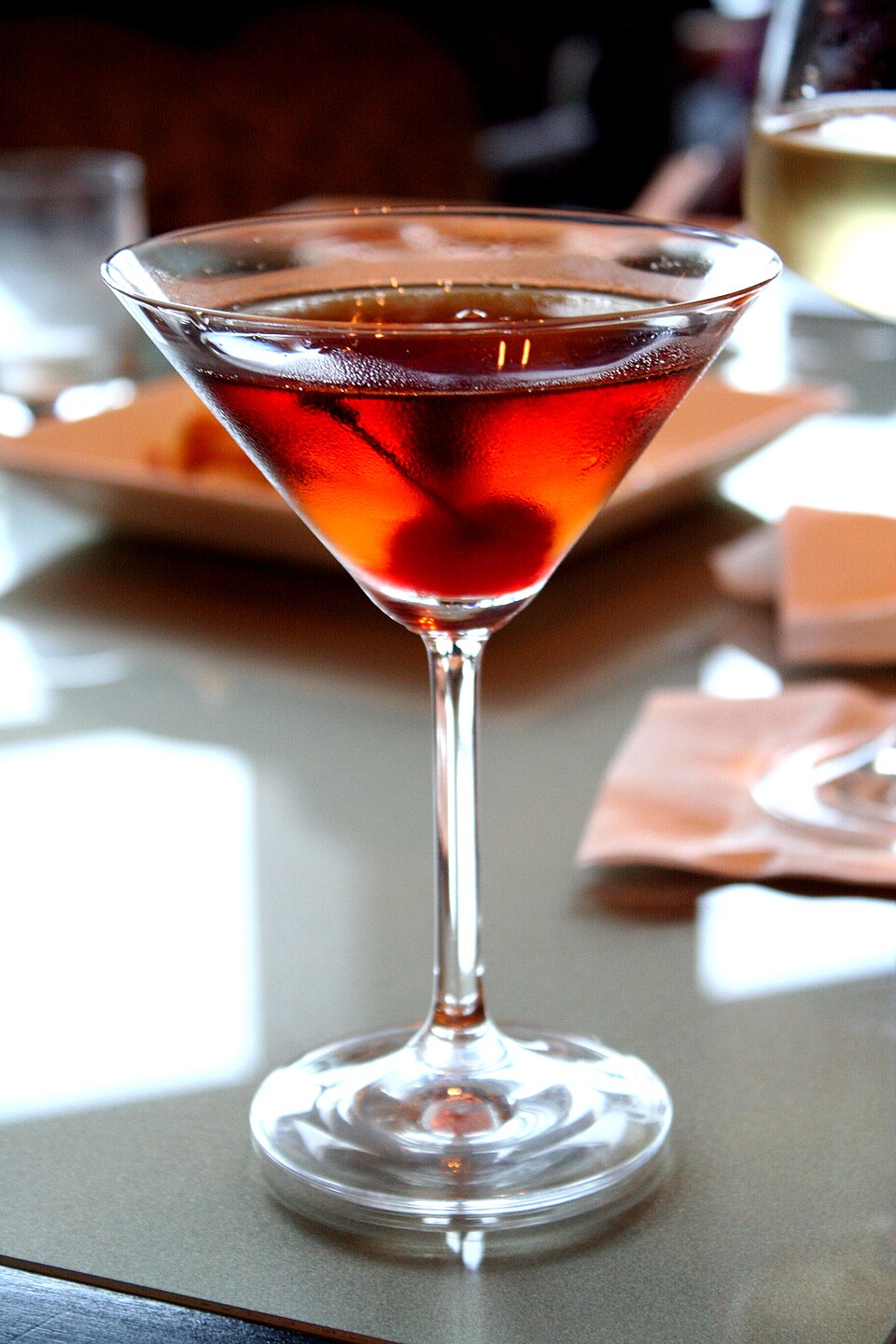

What’s striking today is how the old and new still speak to each other. The Old Fashioned, that stoic hero of cut glass, has become a canvas for creativity. Today’s home bartenders explore how Old-Fashioned cocktail recipes are endlessly customizable—spiced for winter, kissed with coffee, or crowned with a playful garnish. However, the bones remain the same. The drink always needs a good spirit, a little sweetness, a dash of bitters, and an orange’s friendly glow. It’s as if the mid-century host handed down an invitation rather than a rulebook: respect the base, then make it yours.
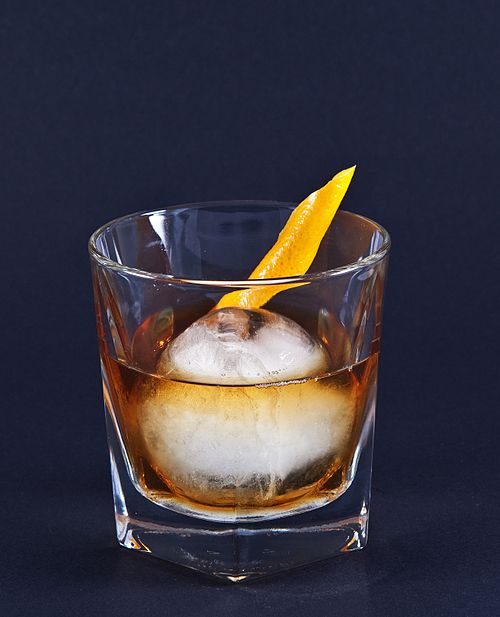

At holiday gatherings, bigger bowls came out: sherry cups for quieter afternoons, ruby punch for snow-dusted nights, and eggnog ladled like a benediction. Every vessel told you something about the moment—the wide coupe promising sparkle, the rocks glass whispering slow and steady. Even abstainers were folded in graciously; ginger ale in a pretty glass looks like celebration too.
Those drinks haven’t left us; the turning point may be less about what we drank and more about how we paused. The choreography—frosted rim, measured pour, shared words—made company feel honored. Perhaps that’s what makes those old evenings glow in memory; it wasn’t the proof of the drink, but the presence of the people. So the next time friends gather, consider reviving a touch of the old ritual. Chill the glasses. Stir with intention. Offer a line that suits the room—sweet for a birthday, wry for a reunion, sincere for a hard-won year. Then lift your glass, hold the moment, and let the first sip be the start of something worth remembering.
More to Explore
SKM: below-content placeholderWhizzco for DOT