
When She Took the Remote: How 1970s TV Crowned Its Leading Women
How a decade of spins, stunts, and storylines put women at the center of the national TV conversation.
The scene plays like a home movie: the family room lamplight, the carpeted floor, and the hush that falls when the theme music starts. A little girl stands up to try the spin — arms out, bracelets imagined — while Lynda Carter whirls on screen and a nation of living rooms looks on. By the mid-1970s, television didn’t just entertain after dinner; it set the tone for family conversations. In a way that they never had been before, the conversations were about women calling the shots.

The Spin Heard Around the Living Room
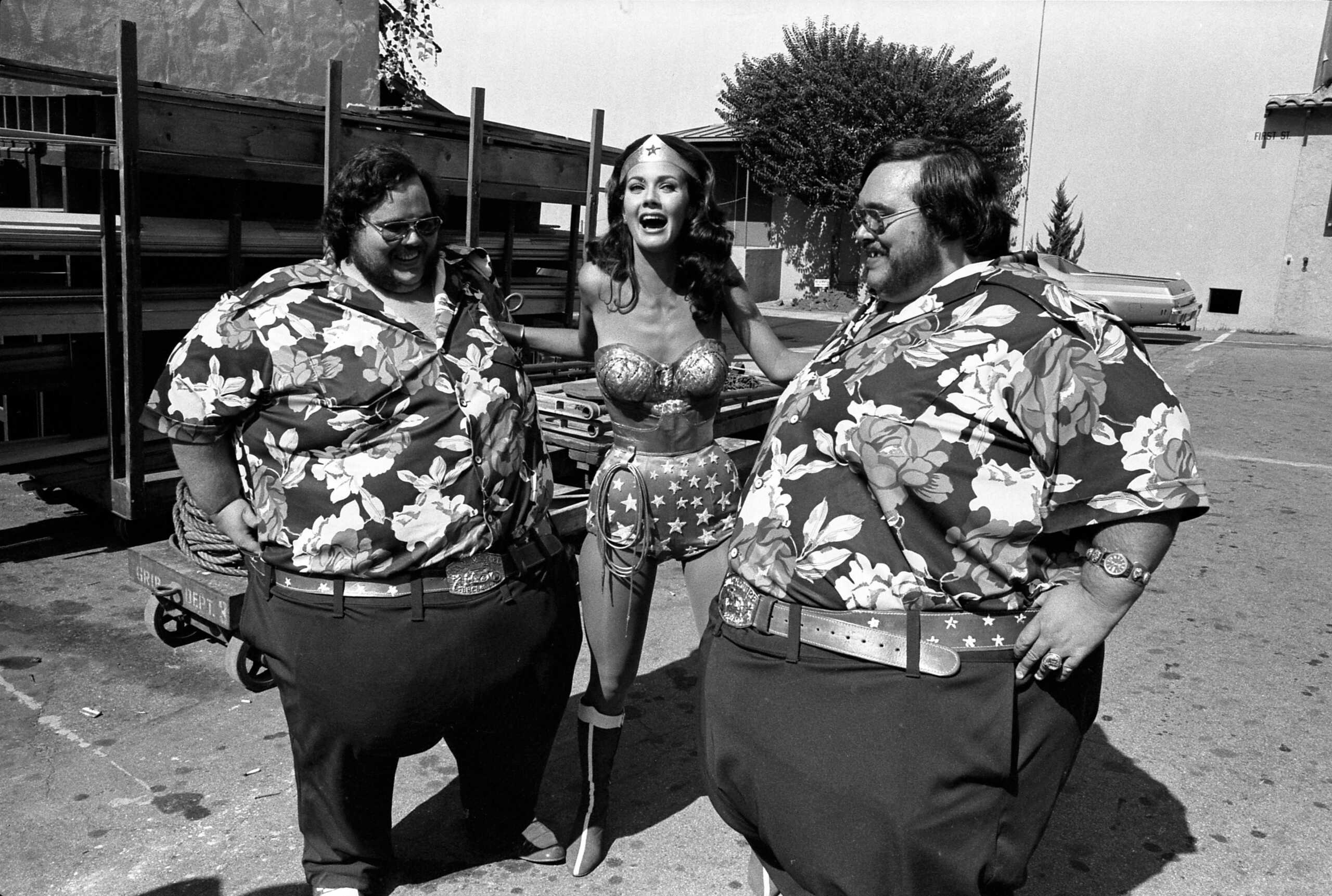
Wonder Woman’s arrival on prime time felt both brand-new and overdue. Comics readers had known the Amazon princess since the 1940s, but it wasn’t until 1975 that she headlined a live-action series. At the time, the airwaves were filling with capable heroines — a high-water mark for strong female leads that saw The Bionic Woman, Charlie’s Angels, and Wonder Woman debut within a year of one another. What made Carter’s Diana Prince so magnetic wasn’t just the costume or the stuntwork; it was the warmth and steadiness beneath the sparkle, a heroine who seemed idealistic without being naive.
Behind the scenes, Wonder Woman took its own leap. After a year as a World War II period piece at ABC, the series moved to CBS as The New Adventures of Wonder Woman, updating the setting to the late 1970s and reshaping the plots around modern-day detective work. The change put Diana in a more visible professional role and made the show’s message of capable womanhood feel less like a fantasy island and more like the nightly news.

The details told a story: the iconic spin transformation, the no-nonsense glasses at the office, the lasso that resolved knots people couldn’t untie themselves. All kids tuned in for the heroics. For mothers and daughters there was a particular significance to the story; Carter’s Wonder Woman was a character who didn’t have to be rescued from the story she was leading.
Not Just Capes: Angels, Bionics, and Badges
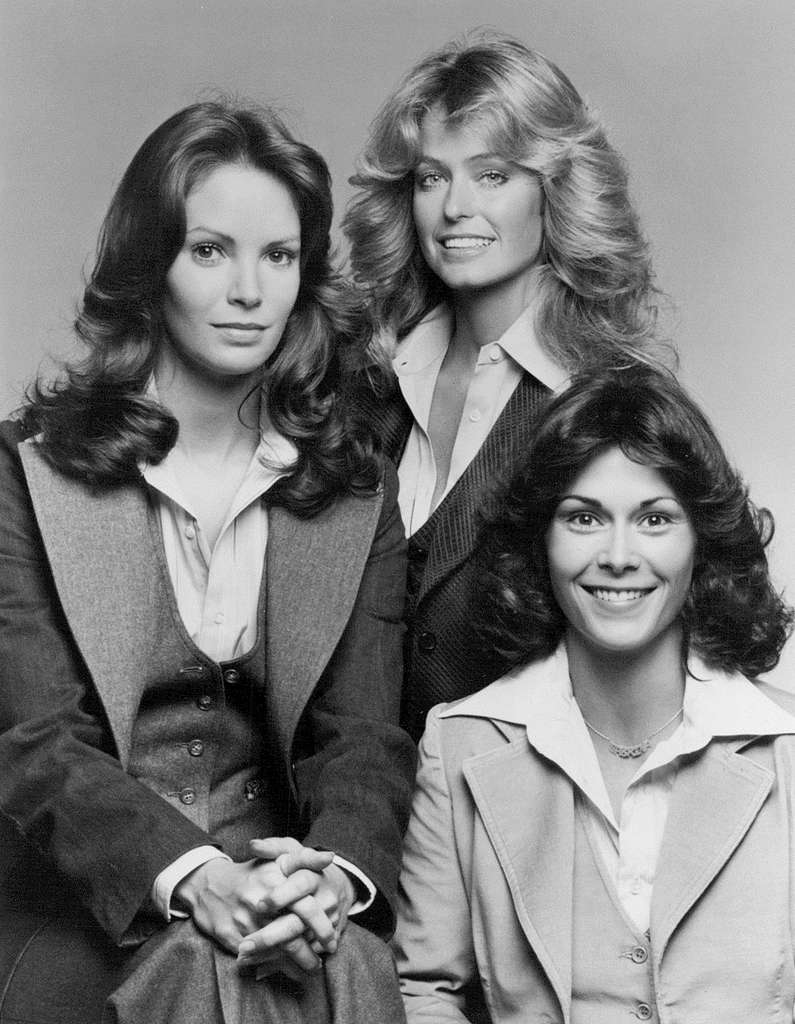
Of course, the decade’s leading women didn’t all wear tiaras. Farrah Fawcett’s windblown smile was seen on countless bedroom wall posters, and on Charlie’s Angels, the trio tackled cases that took them from boardrooms to back alleys. Some viewers rolled their eyes at the cheese factor; others saw women with agency, front and center, every week. The Bionic Woman pushed women-led TV in a more earnest direction — Jaime Sommers was a former tennis pro and schoolteacher who could outrun cars (but still worried about grading papers). And before both, Angie Dickinson’s Police Woman slipped on the badge in 1974, a sign that networks realized audiences would show up to watch a woman carry a cop drama on her shoulders.
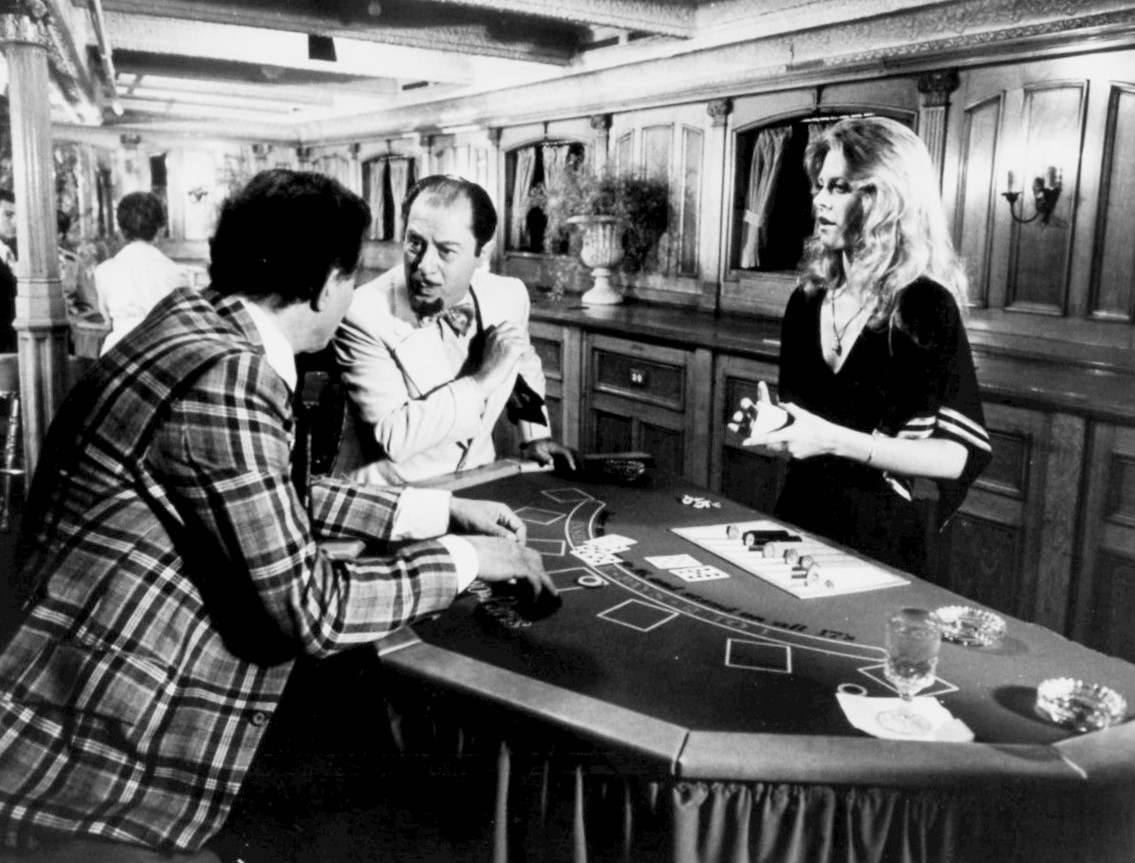

With care, these shows threaded a cultural needle. They offered glamour, yes, which often times translates to today’s audiences as a continued misogyny from decades past. However, this glamour was combined with something sturdier: women as the plot engines. The camera might have lingered on the hair flip, but the cliffhangers depended on the women’s choices, courage, and problem-solving. At the time, that was no small shift; it was a seismic one.
The Quiet Revolution in the Laugh Track
Not every breakthrough wore a holster. Early in the decade, Mary Richards on The Mary Tyler Moore Show walked into a Minneapolis newsroom and told her boss she could make it on her own — and she did. Maude‘s Maude Findlay debated politics across the dinner table. Ann Romano on One Day at a Time raised two daughters, paid the bills, and dated on her terms. Laverne and Shirley clocked in at the brewery with rolled-up sleeves and a sense of mischief. These were not “very special episode” exceptions; they were the whole premise.
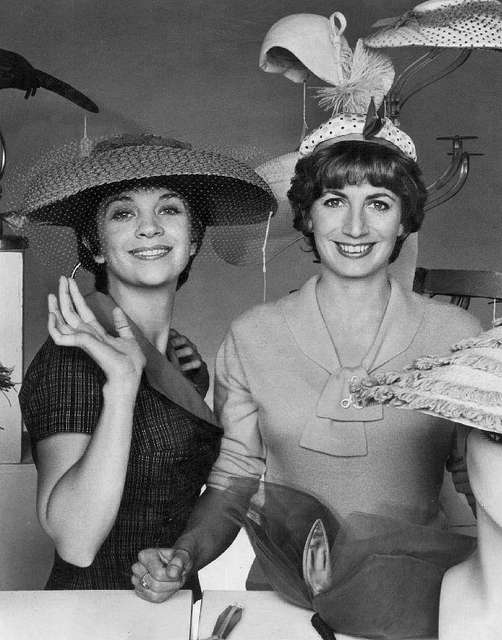

At the time, viewers argued — as families do — about what it all meant. Was Mary’s independence aspirational or too modern? Were the Angels empowering or exploitative? The truth, as it often does, lived somewhere in the middle. For a generation of girls (and plenty of boys), it meant this: a woman at the center of a story didn’t need an explanation.
By decade’s end, the template was set. Superheroines could stride through explosions; detectives could run the sting; sitcom moms could choose careers, friendships, and futures outside of the standard script. The ripple effects carried into the ’80s and far beyond, but the spark was pure ’70s — equal parts courage, experimentation, and a willingness from three big networks to let women lead at 8 p.m.
Today, scrolling through endless menus, it’s easy to forget what a handful of weekly hours once meant. Those Thursday nights and Saturday slots taught millions of us what a heroine could look like — sometimes in a star-spangled bodice, sometimes in a newsroom blazer, always in charge. If you still know the spins and the theme songs by heart, that’s because the stories stayed. They changed what we talked about in the living room and who felt welcome to speak up there.
More to Explore
SKM: below-content placeholderWhizzco for DOT