
The Weird Comic That Made America Snicker: MAD’s Path From Mischievous Beginnings to Established Magazine
How a wicked little upstart turned America’s straight face into a smirk—and never apologized.
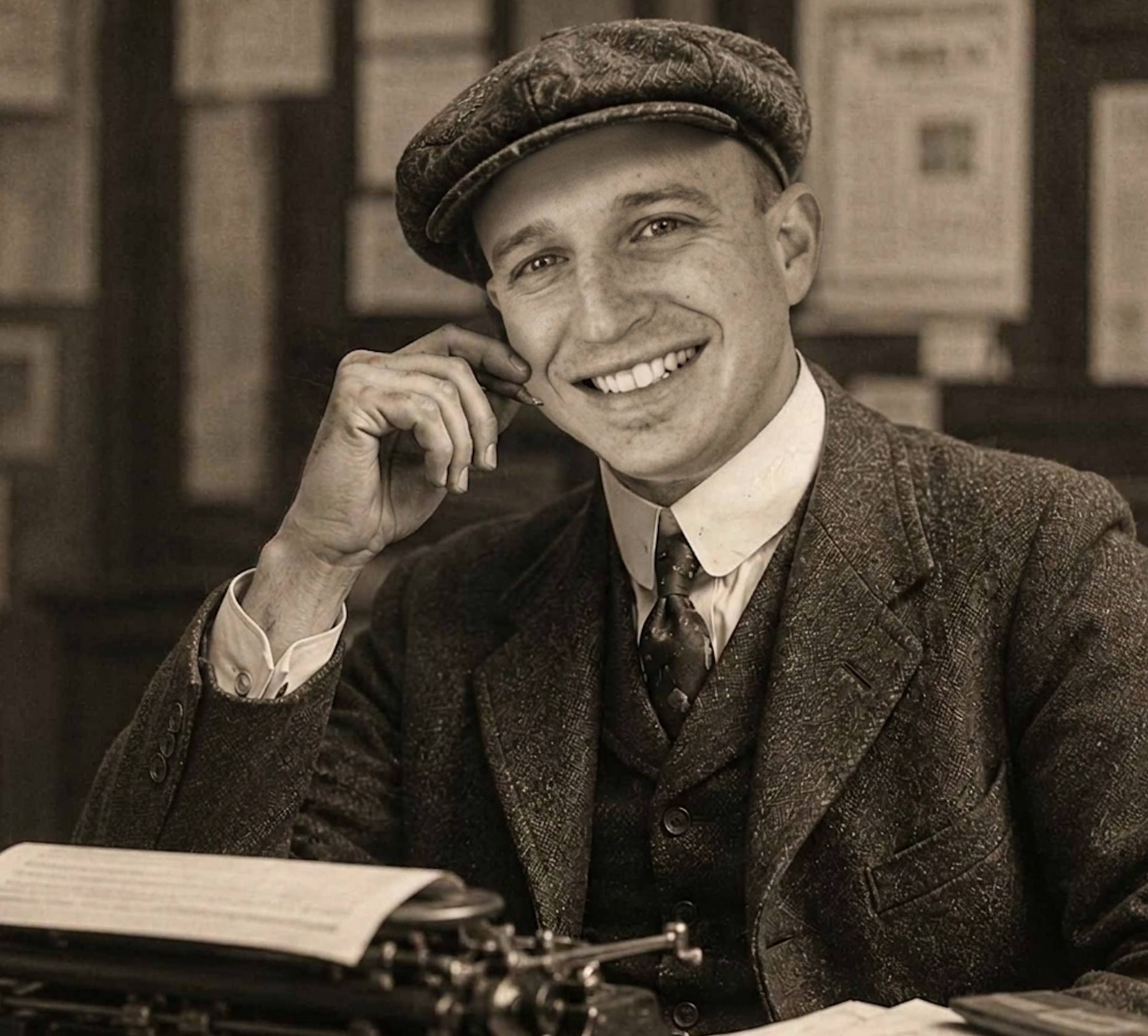
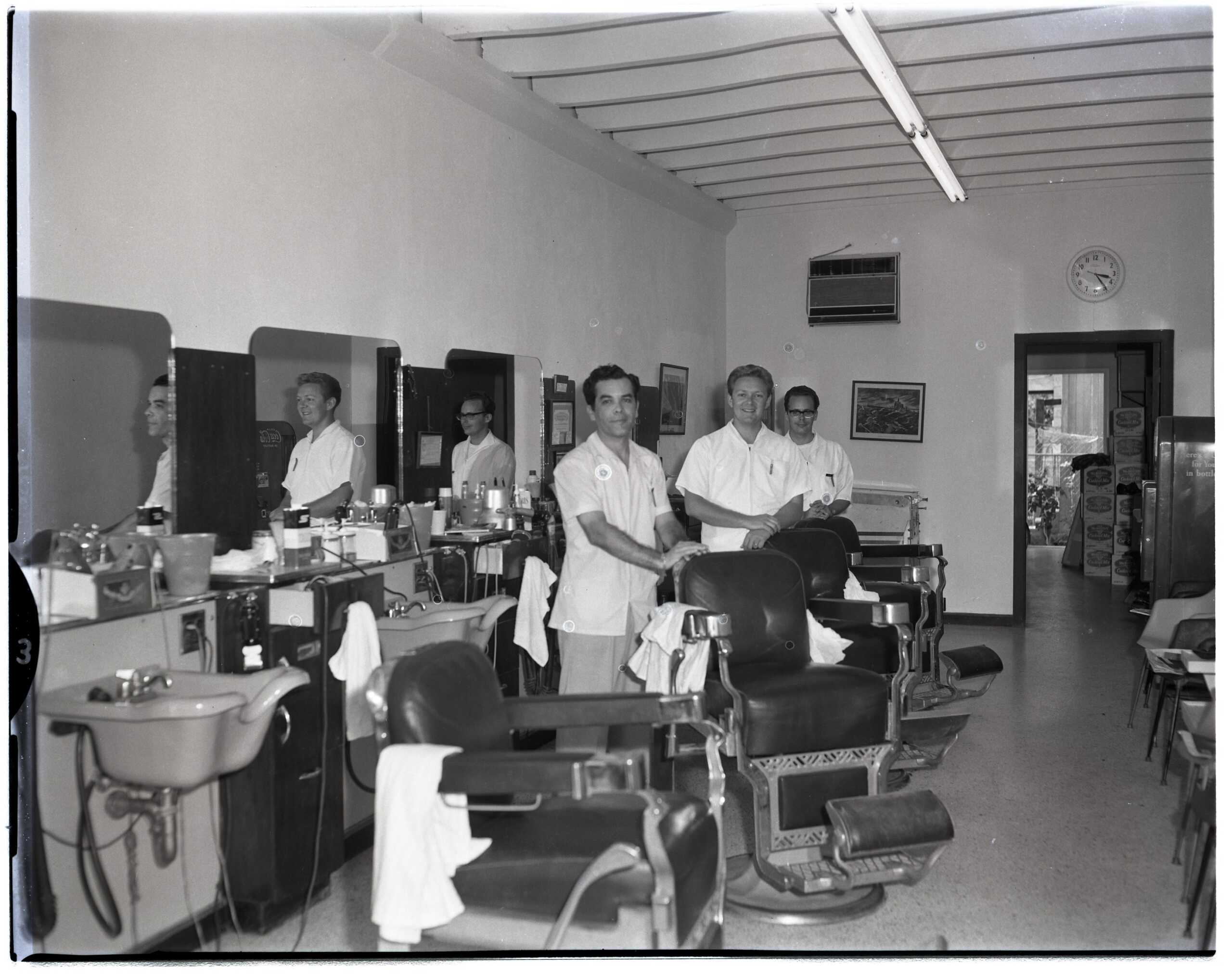
Picture a barbershop in the late 1950s, the smell of tonic in the air and a stack of reading material by the door. Tucked between sober newsweeklies sits a thin, unruly magazine with a gap-toothed kid grinning like he knows something you don’t. A teenager cracks it open. Suddenly, the ads and the TV heroes look a little sillier than they did five minutes ago. That was MAD’s magic trick in its early days: it taught a straight-faced nation how to snicker.
A Prank Arrives in a Serious Age
Postwar America prized well-kept lawns, tidy haircuts, and stories that avoided discomfort. Then, along came a 10-cent comic book with a wicked glint, debuting in August 1952. Dreamed up by EC publisher William M. Gaines and guided by editor Harvey Kurtzman, it first wore the cheeky title “Tales Calculated to Drive You Mad”. The promise was right there on the cover: no sermons, just parodies sharp enough to puncture pomposity—and generous enough to let young readers in on the joke. MAD was anything but tidy.
In those early comic-book issues, MAD didn’t just mock superheroes and movie cowboys; it poked at the formats themselves. Under Kurtzman, MAD learned to lampoon the untouchables: comic-strip royalty, squeaky-clean teen romances, and America’s own folk heroes. Alfred E. Neuman—the boy with the shrug that launched a thousand smirks—soon ambled into the frame. His “What, me worry?” spirit was exactly the ballast kids needed in an anxious age.
Finding a Loophole
MAD’s satire wasn’t unattested; the 1950s liked its mischief contained. After a moral panic over comic books, a Senate inquiry into juvenile delinquency helped push the industry toward strict self-censorship. EC’s infamous horror titles were hobbled by the new Comics Code, and MAD was cornered—until it wasn’t. In 1955, Gaines made a nimble move, switching MAD from a comic book to a magazine format. The format change put the publication outside the Code’s jurisdiction, and suddenly the targets were limitless again.
That shift did more than dodge a rulebook; it unlocked a tone. No ads would appear in MAD for decades. It was a quiet statement that said: if you’re going to roast the hucksters of the day, you shouldn’t be taking their money two pages later. Even its address got the funny treatment: “MADison Avenue,” a location joke and a vow. The point wasn’t cruelty—it was clarity. When a commercial, a campaign, or a cultural fad seemed a little too pleased with itself, MAD brought out the pin, revealing realities with humor.
There was a turning point behind the scenes, too. After Kurtzman’s departure, Al Feldstein took the editor’s chair and cemented what many remember as the golden era. With him came a roster that felt like a comedy all-star team: Don Martin’s rubber-limbed absurdity; Mort Drucker’s uncanny caricatures; Antonio Prohías’s “Spy vs. Spy”; Sergio Aragonés’s little sight gags slipping around the margins; and Al Jaffee’s legendary Fold-In, which began teasing the back page in 1964. The masthead called them “the usual gang of idiots,” but the work was anything but idiotic.
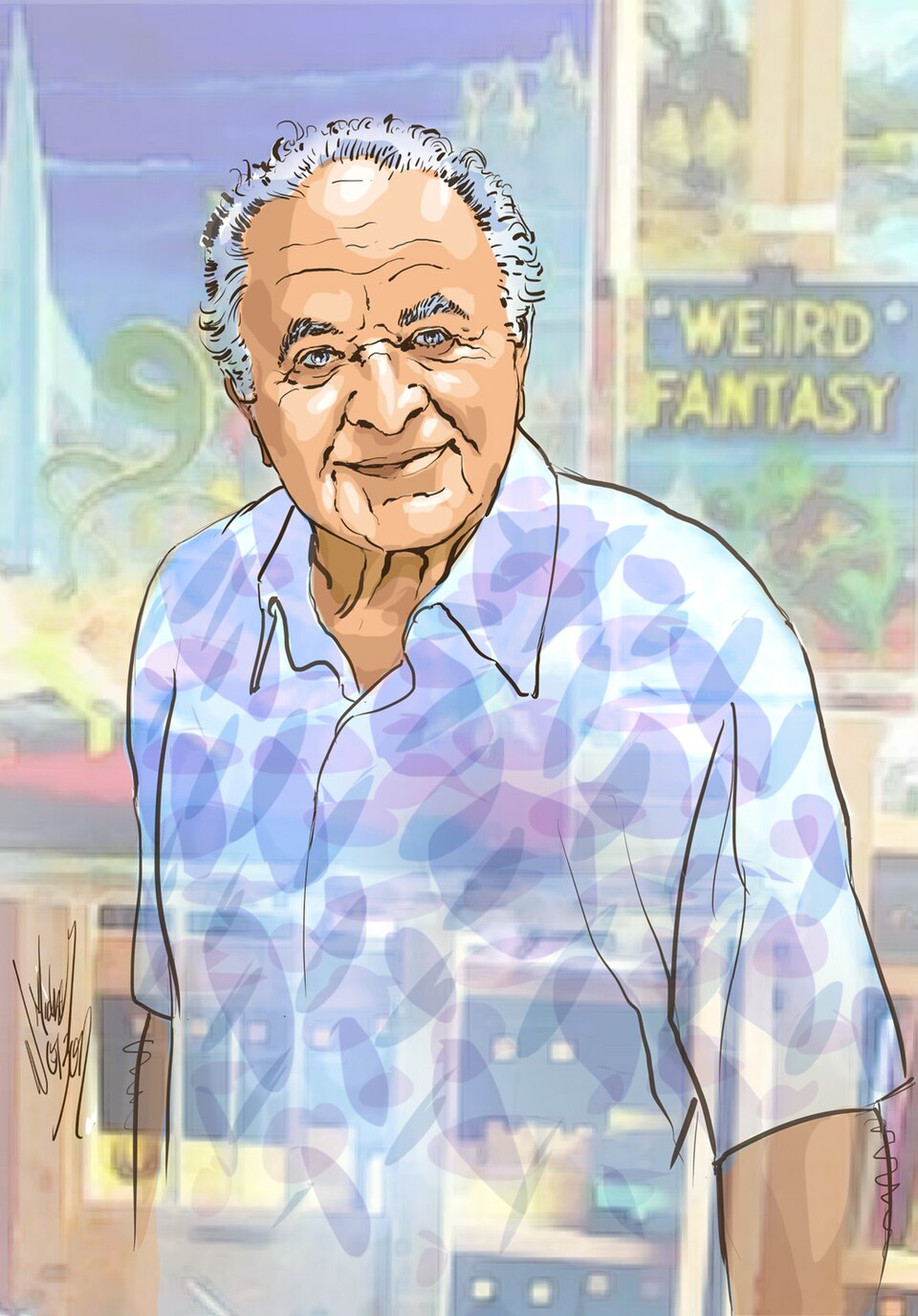

The Gang, the Grin, and a New American Voice
By the 1960s and ’70s, kids were reading MAD the way earlier generations had read the funnies—religiously, and a little guiltily. A movie parody could equip you to joke about last weekend’s blockbuster; a TV spoof let you rib your favorite show without abandoning it. MAD became a secret seminar in media literacy, one laugh at a time. As cartoonist Art Spiegelman later summed up the message, it was a nudge to “Think for yourselves, kids.”
Plenty went over readers’ heads at first—some of the political barbs, some of the hip references—but that was part of the fun. You grew into MAD, and it grew you up a little faster. The back-page Fold-In trained you to question the picture you saw at first glance. (You can still find a fun, interactive collection of these classic illustrations online.) The marginals taught you to keep scanning the edges. Even Alfred’s endless grin had a lesson baked in: when someone insists there’s only one way to see the world, you can always smile and ask, “Are you sure?”
Looking back, it’s tempting to crown MAD as the court jester of the Baby Boom—irreverent, tireless, and weirdly civic-minded. But its early power wasn’t just rebellion for rebellion’s sake. It was the way it invited everyone to the roast. Celebrities, commercials, politicians, trends—no one escaped the whoopee cushion. Somehow, that egalitarian mischief felt fair.
Maybe you remember saving up coins for the latest issue, or debating with a friend on whether the movie parody nailed it. Maybe you tried to sneak a peek at the Fold-In before buying it, only to unfold it and pretend nothing happened. In the end, MAD’s early days didn’t just change what we laughed at—the writers changed how we laughed. Today, in a world where memes deconstruct our newsfeeds by lunchtime, the magazine’s old lessons feel newly familiar: question the pitch, tease the hero, and keep a soft spot for the lovable goof who reminds us not to worry too much while we figure it all out.
More to Explore
SKM: below-content placeholderWhizzco for DOT