
Before the Phone Alarm: Vintage Alarm Clocks That Rattled Us Awake
Long before a phone’s whisper of a buzz, mornings often began with a jolt: two metal bells, a stiff little hammer, and a sound that sent everyone in the house blinking toward the kitchen light.

For decades, a dependable alarm clock sat permanently on the nightstand — a small, sturdy sentinel with numbers big enough to see in the half-dark and a top button you could find by feel. It was less a gadget than an important fixture of the household, as familiar as the school bus route or the first pot of coffee.
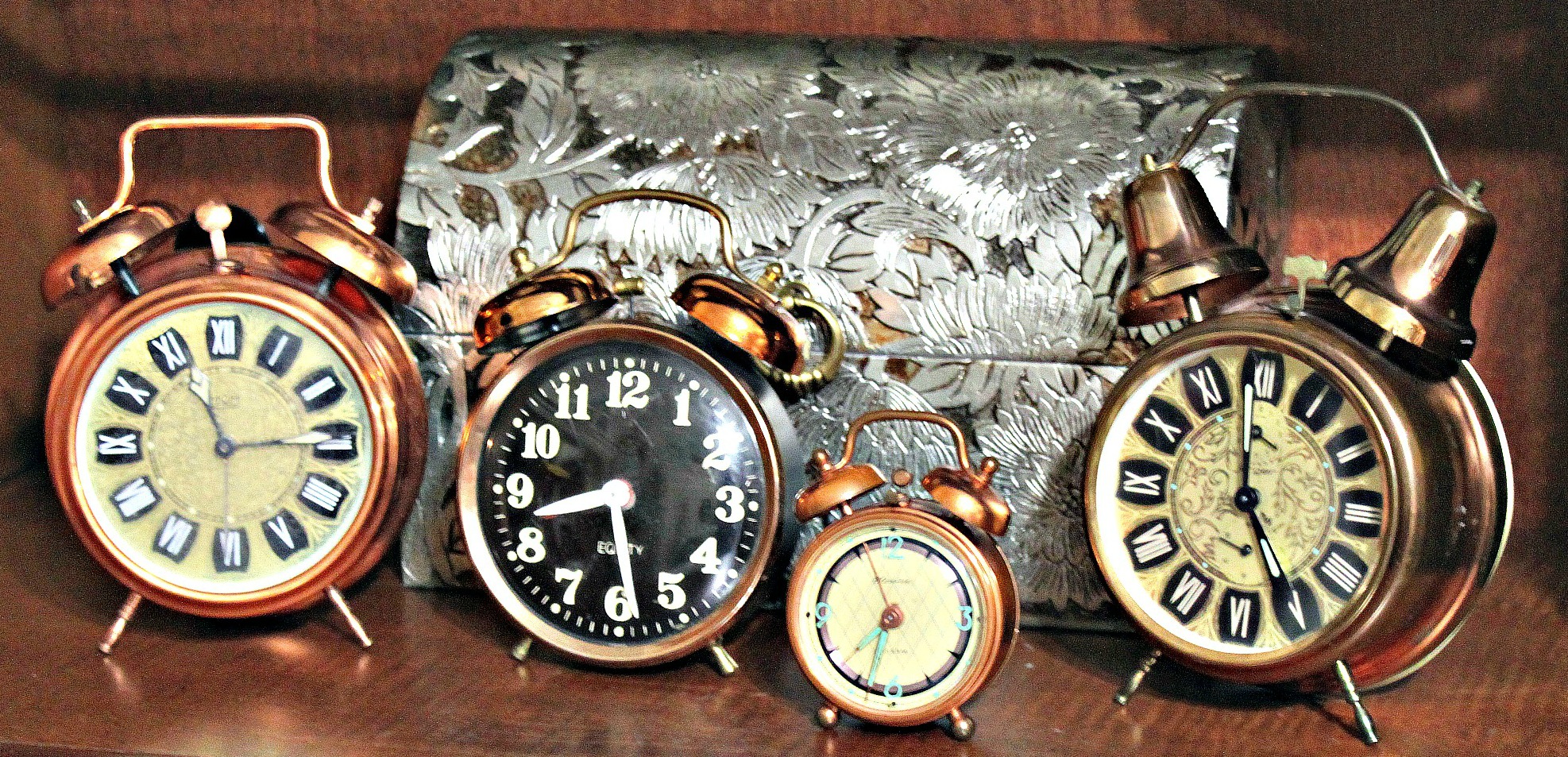
Before the Bedside Bell
Even the clanging twin-bell alarm felt modern compared to what came before. In the centuries prior to mass-market alarm clocks, people relied on every trick in the book to wake up on time. There were church bells in the night, roosters at dawn, and ingenious homegrown devices — including candle clocks that dropped pins into metal trays to rattle sleepers awake on schedule. In some towns, human alarm clocks made rounds with long poles or pea-shooters, tapping on second-floor windows until the right head popped up.
While this was effective, neighbors weren’t always thrilled. Early industrial cities hired “knocker-uppers” to rouse shift workers, a job that consistently faced push back. Those that weren’t working a shift often complained about the racket at 5 a.m.. Even still, the practice lingered in parts of northern England into the 1970s as cheap alarm clocks slowly took over — and woke only the households that paid for them. Elsewhere in Europe, the job had local flavor: France’s reveilleurs and Italy’s so-called “hooters” relied on whistles and sharp blasts to start the day — an ear-splitting service that didn’t exactly whisper a pleasant “good morning” to the sleepy street.
Clocks with Personality
By the mid-20th century, the bedside alarm had become a standard piece of home equipment — especially the kind that you had to wind. The quiet tick in the dark was a comfort to many children drifting to sleep, and a promise to adults who couldn’t miss the morning train. Then, as home design and consumer tastes brightened, the alarm clock started dressing for the era. Manufacturers leaned into color and flair: avocado greens and Wedgwood blues, rounded silhouettes and mod plastic balls, flip-number displays and the first clock radios. Advertisements promised gentler wake-ups with chimes and snooze features, and encouraged shoppers to match their clock to the drapes. In short, companies learned they could sell personality along with punctuality — and they did it with gusto in the 1960s and ’70s, as alarms in decorator shades and clever new mechanisms landed on countless nightstands.
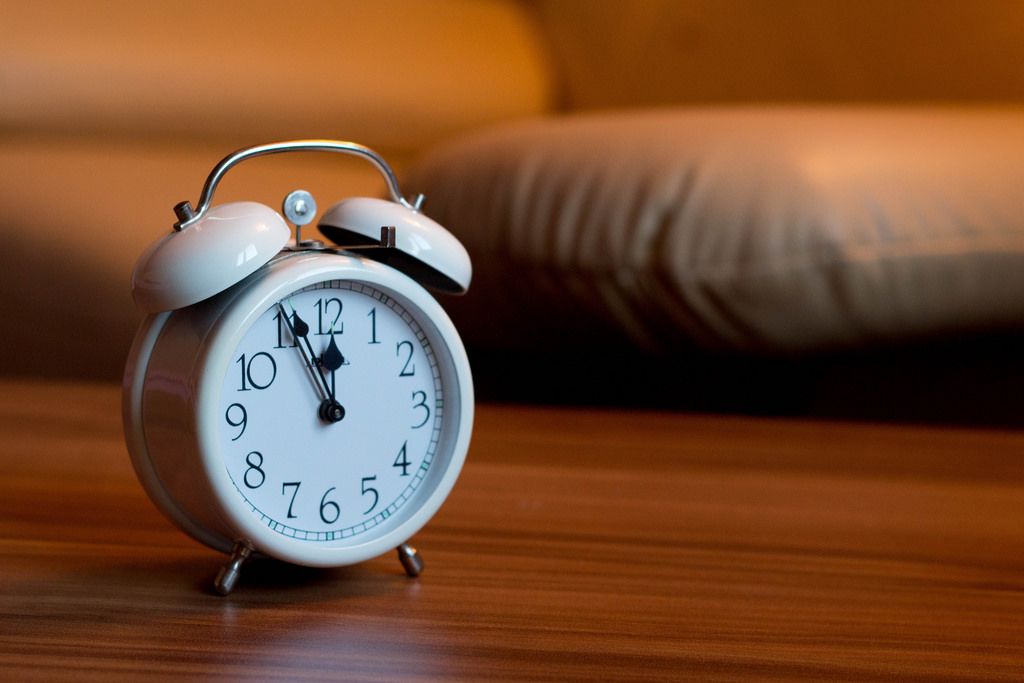
There were models for every preference. Some people stayed faithful to the trusty wind-up twin bell, the kind that could be heard down the hallway; others graduated to clock radios that faded in with music and only deployed a chime if the sleeper proved stubborn. Flip clocks made a soft tick as the minutes fell away, neatly stacking the morning one card at a time. And there were travel alarms tucked in leather cases — small, fold-out companions that promised to turn any guest room into home for the night.
The Sound of a Household
Looking through the many models, what’s striking isn’t only the designs — it’s how social those sounds were. A ringing bell didn’t limit itself to one set of ears. It rolled through the bedrooms like a snowball, collecting groans as it went. Siblings bargained for five more minutes. A parent pressed the top button and bought a tiny slice of quiet, then sat up to wind the clock again for tomorrow. Even the luminous dial had its job, offering a quick midnight check without flipping on the light.
Those alarms were part of the bedroom’s small landscape: a dog-eared paperback, a glass of water, a pair of glasses, and the clock — often with a scratch or two on its face and a steady heartbeat underneath. Mornings weren’t gentle, exactly, but they were certain. If the electric went out, the key-wound models still rang. If the radio station faded, the chime would catch you. These were tools built to be heard.
Today, our phones manage the morning privately, with a buzz only we can feel. It’s hard to argue with the convenience. Still, holding a heavy metal clock in your hand — feeling the curve of the case, the snap of the alarm switch, the quiet assurance of a mainspring — reminds us that timekeeping once asked for a small ritual. Set the hands, wind the key, and trust the clatter.
Maybe that’s why vintage alarms keep finding their way back onto nightstands. Some people love the mid-century look. Others appreciate the no-nonsense reliability. And some of us simply enjoy a wake-up that sounds like a household again — one bright ring that invites the whole place to rise.
More to Explore
SKM: below-content placeholderWhizzco for DOT