
Betty White’s Golden Rule for Dogs: Kindness, Consistency—and Room on the Bed
From a 1958 magazine chat to her Golden Girls years, Betty’s simple, big-hearted rule for dogs still rings true: match the dog to your life, train with patience, and make them part of the family.

Picture a late-1950s morning in Brentwood: sunlight slants across a bedspread as a hulking St. Bernard named Stormy tries to fold himself into a respectable curl at the foot of the bed. In the hallway, a dignified Pekingese shuffles past a miniature poodle who, as ever, seems to think the entire household is his to manage. This was Betty White’s world—busy, joyful, and overrun by well-loved dogs who, by her own telling, “led a people’s life.”


A Mid‑Century Snapshot of Dogs as Family
Of course, Betty was already a familiar face on television, and in 1958—while starring in Date with the Angels—she shared her pet philosophy in a warm magazine conversation that pulled back the curtain on the life with her trio of dogs. She believed that one decision mattered most—the one that was made before your pet came home with you. Betty thought it essential that every pet owner chose a pet that truly fit into their home and habits. Apartment dwellers, she cautioned, should skip big runners and restless terriers in favor of mellower, smaller companions, while families with yards could consider sturdier, kid‑friendly breeds. She also championed the humble mixed breed, pointing out that a “just‑plain dog” could be bright, sturdy, and endlessly devoted.
Betty framed pets as a family project. Children, she felt, thrived with a dog in the house—so long as the grown‑ups taught respect and routine. Consistency was everything. There could be no mixed messages, no scolding one day and shrugging the next. It was the sort of clear‑eyed, compassionate thinking that made her feel less like a celebrity and more like a neighbor leaning over the fence with tried‑and‑true tips.
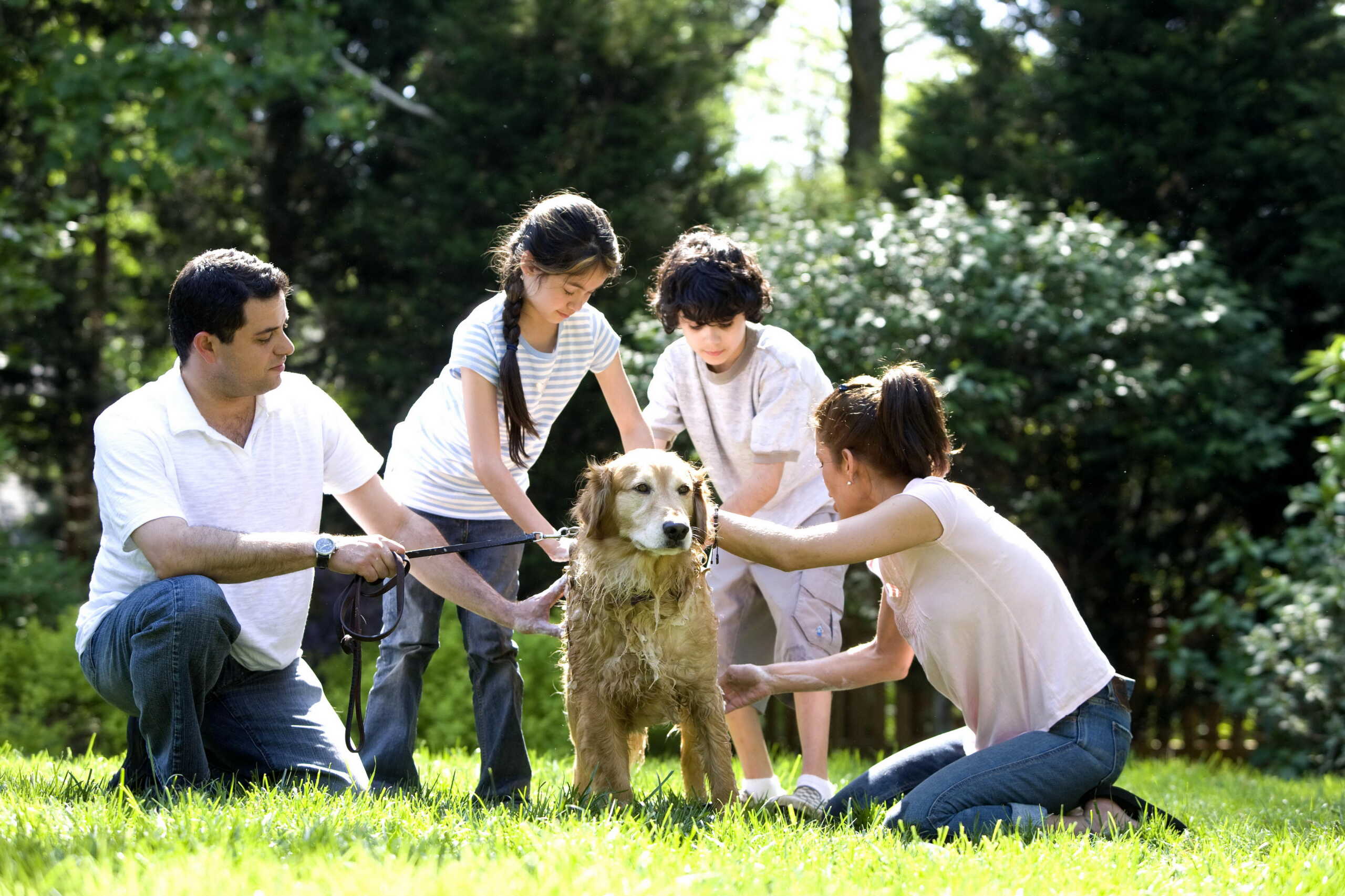
The Golden Rule: Match Your Dog to Your Life—Be Consistent!
If there was a single thread running through Betty’s advice, it was this: make a thoughtful match, then follow through with steady, patient training. She loved telling the story of Stormy, her affectionate St. Bernard, who greeted guests like a linebacker on his hind legs. The solution wasn’t scolding so much as redirecting. She taught him how to trot to the bedroom at the first ring of the doorbell. Simple. Predictable. Effective. The point wasn’t perfection; it was harmony through love.


Feeding and bedtime, too, were handled with common sense. Betty said: keep meals familiar at first, vary the menu as you learn what agrees with your dog, and never forget fresh water. As for sleeping arrangements—well, Betty knew what the experts said about dog beds in quiet corners. Then she laughed and admitted that at her house, at least, the corner often turned out to be the foot of a human bed. Some guidance ages and some doesn’t, of course. Training ideas from the 1950s can feel old‑fashioned now, and many owners follow updated, positive‑reinforcement methods. But the heart of her message—patience, consistency, and treating dogs as beloved members of the household—has only grown sturdier with time.
She extended that same even‑keeled wisdom to busy people. Travel constantly? Her instinctive answer was “maybe not a dog right now”—not as a hard rule, but as a kindness to both owner and animal. Dogs, like us, do best when routines feel steady and love has time to settle in.
From Sitcom Sets to Real‑Life Rescue
Looking back, it’s easy to see how Betty’s on‑screen warmth and off‑screen animal work fed each other. Even in the 1980s, she was thinking about how to weave pets into storylines; she pushed for Rose to have a pet on The Golden Girls, a small but telling creative nudge from someone who knew what a wagging tail could add to a home. Around that same period, she mourned Sooner, a mixed Lab she’d rescued years earlier from Sunset Boulevard—proof that her advocacy lived far beyond red carpets and punch lines.
Betty didn’t pedestal dogs or coddle them into chaos; she made a place for them. She matched energy to environment. She set a few bright‑line rules and stuck with them. And then she did the thing many of us secretly want permission to do: she let them climb onto the bed, because that’s where the family was.
There’s a turning point in almost every dog‑owner’s journey, a moment when the house stops rearranging itself around a new pet and starts breathing with them. For Betty White, you can hear that beat in the soft thud of Stormy padding down the hall at a doorbell’s ring, in the poodle’s gentle bossiness at six o’clock, and in the Peke’s contented sigh on a quilt. The training mattered. And so did the choices. But the golden rule—love them like they belong, and guide them like you mean it—was what made it all sing.
Today, in a world full of how‑to lists and specialty gear, her counsel still lands like a friend’s voice on the phone: pick the right dog for your life, be steady and kind, and don’t be surprised if the best seat in the house ends up with paw prints.
More to Explore
SKM: below-content placeholderWhizzco for DOT