
When the Night Belonged to the Drive-In
Windows rolled halfway down, a metal speaker hooked to the glass, and the smell of buttered popcorn drifting past the headlights—on summer nights, the drive-in felt like the center of the universe.
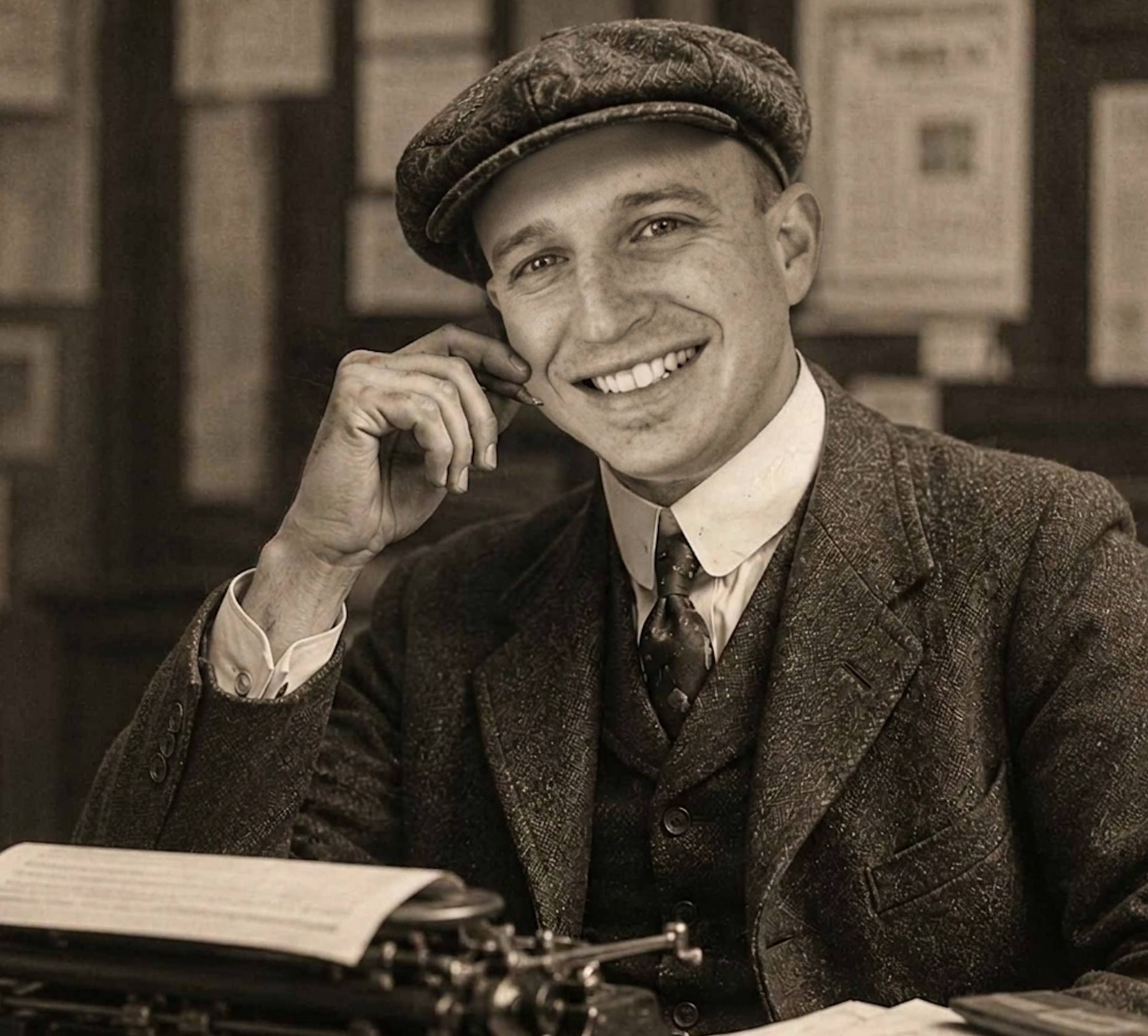
Picture a warm evening in July. Kids in pajamas tumble out to the playground before dusk, parents angle the car just so on the ramp, and teens lean across bench seats to fine-tune the volume. As the sky goes from blue to violet, the crackle of the speaker becomes part of the night’s soundtrack, and life—for a couple of hours—is lulled by its sound and the warm glow of a massive screen set in front of the stars.
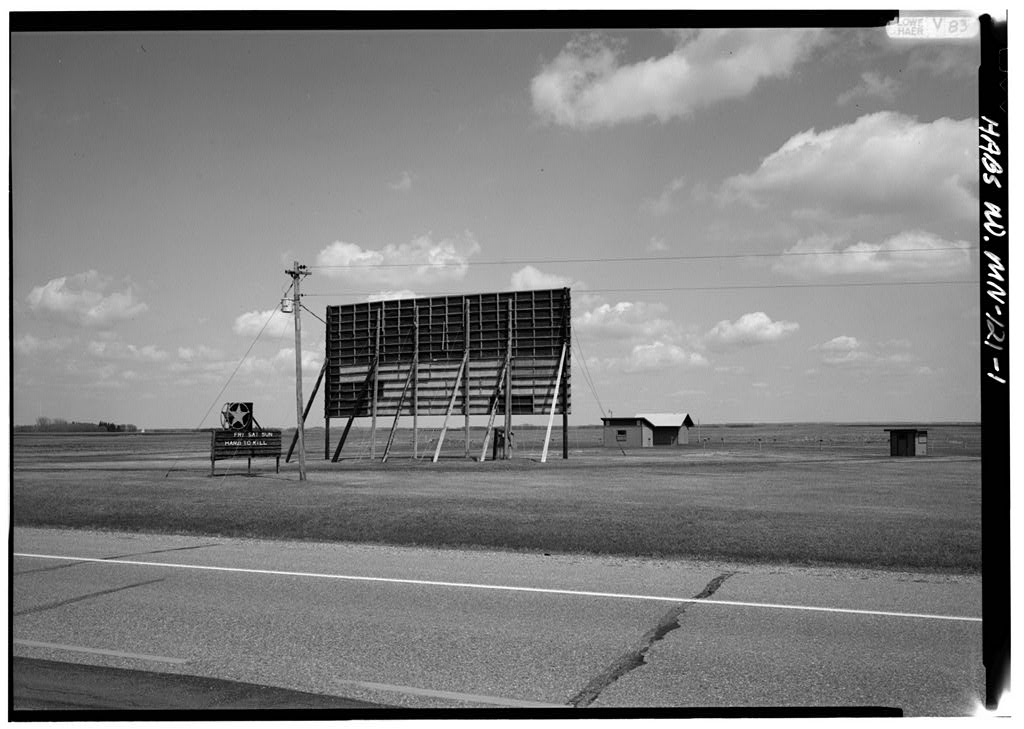
How the Drive-In Became America’s Backyard Theater
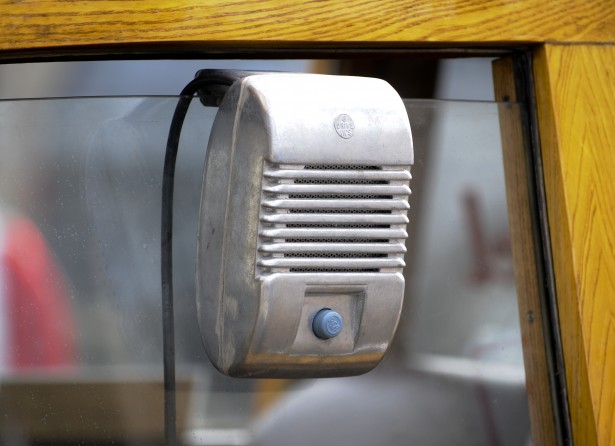
What started as a novelty turned into a way of life. From the moment the first purpose-built drive-in opened in 1933, and especially after RCA introduced the in-car window speaker in 1941, the stage was set for a postwar boom that swelled to roughly 4,000 drive-ins by the late 1950s and early ’60s. The format fit the era as families were on the move, suburbs were spreading out, and cars were becoming second living rooms. You could bring a fussy baby who needed a little extra comfort, keep up a quiet conversation without dirty looks, and snack at your own pace. Drive-ins leaned into that welcome with all the extras—bottle warmers for infants, windshield wiping at the ticket booth, and gleaming snack bars that felt half diner, half county fair.
The hardware became a part of the charm. A bright little volume knob—clicked onto the window like a promise. Plenty of folks remember accidentally driving off with one still attached (and the sheepish return visit that followed). At the time, the drive-in was less a venue than a gathering place. Whether the theater was showing first-run features or B-movie marathons, it didn’t matter much; the ambience, vibe, and ritual were the real draw.
Windows Down, Speakers On, Popcorn Flowing
The drive-in worked because it turned moviegoing into an event with small, memorable beats. There was the lineup at the snack bar, where popcorn got a generous pour of “butter” that left fingers shiny and content. There were playground swings that creaked through pre-show twilight, and intermission reels that reminded everyone to “visit the concession stand” while the screen danced with hot dog cartoons. In some towns, a fog truck drifted past the rows spraying DDT against mosquitoes—a startling detail from the era that many remember more vividly than the film itself. For little ones, the back seat turned into a nest of quilts and soda straws; for teenagers, the drive-in felt like freedom.
Still Glowing: The Last Holdouts and New Nights Out
Even as many lots made way for shopping centers in the ’70s and ’80s, a handful of screens kept the faith—and a few have become living museums. In Powell, Wyoming, the American Dream Drive-In still uses original 1949 speakers, and its vintage popcorn machine now serves as a candy display case. For regulars, it’s not just a show, but a summer tradition—a place to exhale under the wide western sky.
At different moments, the drive-in has found new life. During the pandemic, when indoor theaters went dark, some towns returned to the ritual with fresh appreciation. In Warwick, New York, a reopened drive-in felt—one observer noted—like the first euphoric night of summer: lawn chairs dotting the gravel, kids horsing around, and snack bars humming again. The technology may have shifted from window speakers to FM radio, but the effect is the same; it’s community stitched together by headlights and a shared story on a giant screen.
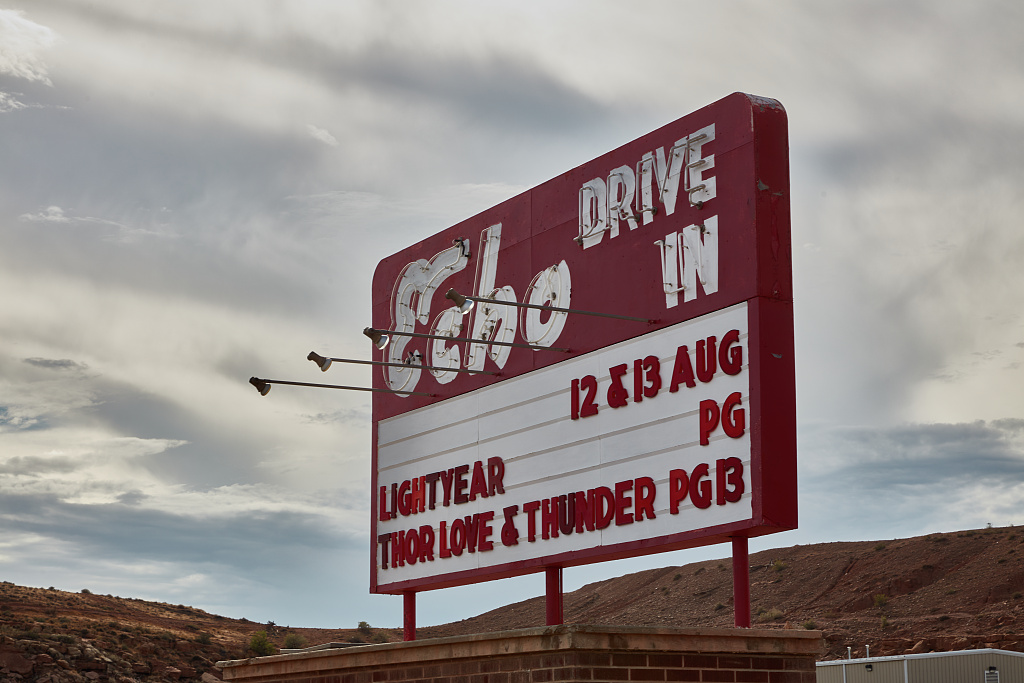
Looking back, it’s easy to see why the drive-in once claimed such a big corner of American life. It delivered a lot for the price of admission. It was a family outing that didn’t require whispering, and a date night that felt both cozy and adventurous.
Today, whether you’re lucky enough to catch a film at one of the few remaining theaters across the country or happen to stumble across an old aluminum speaker at a flea market, the memories return quickly: the scratch of gravel under tires, the glow from the projection booth, the taste of crisp soda and extra-buttered popcorn. The movies mattered, of course—but the magic was bigger than any title on the marquee. It was the feeling of being out together, under the stars, with the whole night ahead.
More to Explore
SKM: below-content placeholderWhizzco for DOT