
When the Puzzle Took the Table: How Jigsaws Quietly Ruled the Living Room
From rainy afternoons to Depression newsstands, a simple box of pieces kept families gathered — and kept them coming back decade after decade.

It starts with the sound of a cardboard lid sliding off and the soft spill of pieces onto a kitchen table. Outside, it might be raining; inside, someone has declared the table off-limits for meals until the border is done. The hunt begins: corners are rescued first, long straight edges lined like rail ties, and those confounding patches of blue sky are saved for later. Anyone who grew up with a jigsaw on the table knows the strange satisfaction of that final click before bedtime. It was the most tangible kind of progress.
Long before jigsaws were a weekend ritual, they were schoolroom tools: 18th-century London mapmaker John Spilsbury cut countries apart to teach geography, and the idea eventually crossed the Atlantic in the 1800s. Gradually, however, puzzles leapt from the classroom into the parlor. Around 1907, well-to-do Americans made a social sport of them — the sort of leisure that spilled onto hotel piazzas and steamship decks when the city grew too hot or too cold.
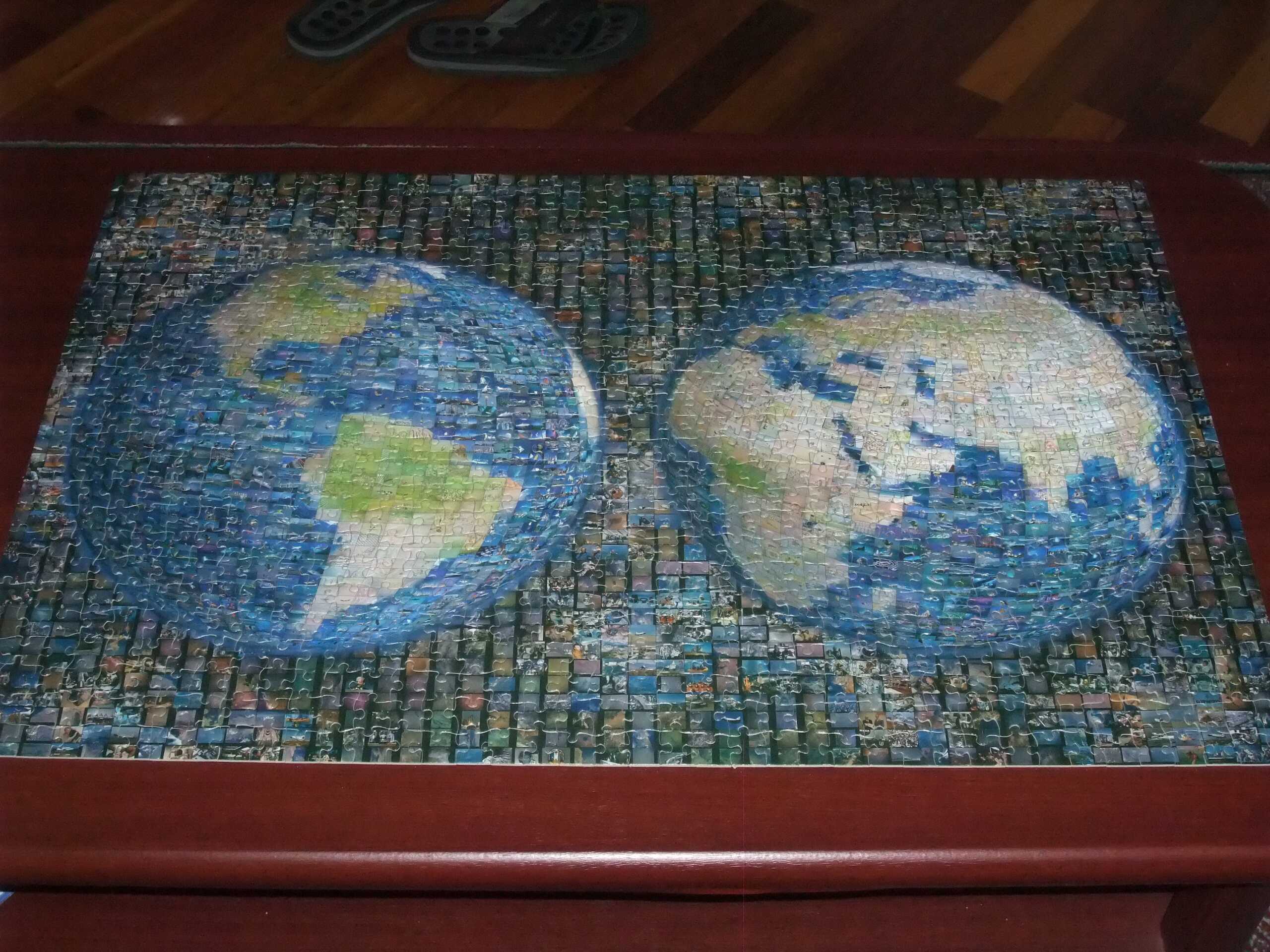
From Lesson to Late Night
Early adult puzzles were cut from wood and priced like small luxuries, which explains why the first wave belonged to resort towns and city salons. They didn’t come with a picture on the box, so each session unfolded like a mystery. Makers sometimes tucked in special “whimsy” shapes, rewarding patience with a tiny fish or scroll that only appeared after hours of work. Production lines whirred as companies shifted resources to meet demand. Families learned a new rhythm: dinner plates were balanced wherever there was space, and the puzzle reigned in the center of the room until the last stubborn gap was solved.
Then came the turning point that made puzzling a truly mass pastime: cardboard. Cut by powerful dies, this puzzle breakthrough brought prices down and pieces up. Suddenly, anyone with a quarter could take home a landscape, a city street, or a painting to assemble after supper. The box was small, but it opened wide — to quiet companionship, to friendly arguments over where the chimney goes, to the low murmur of neighbors comparing progress. With new found accessibility, the possibilities of the puzzle felt endless.
Midweek Rituals in Hard Times
Because of it’s cheap production cost, during the Great Depression the puzzle became both comfort and livelihood. Newsstands sold new designs every week, and living rooms filled with the soft scrape of cardboard on wood. Some out-of-work craftspeople turned to their scroll saws, hand-cutting wooden puzzles at home and even renting them out through the corner drugstore — a side hustle born of necessity, and a story told over and over in towns across the country. As one historian put it, you could buy a nice $20 jig saw, set it up in the kitchen, and keep pieces moving through the neighborhood, cutting down the cost with many users of the same puzzle.
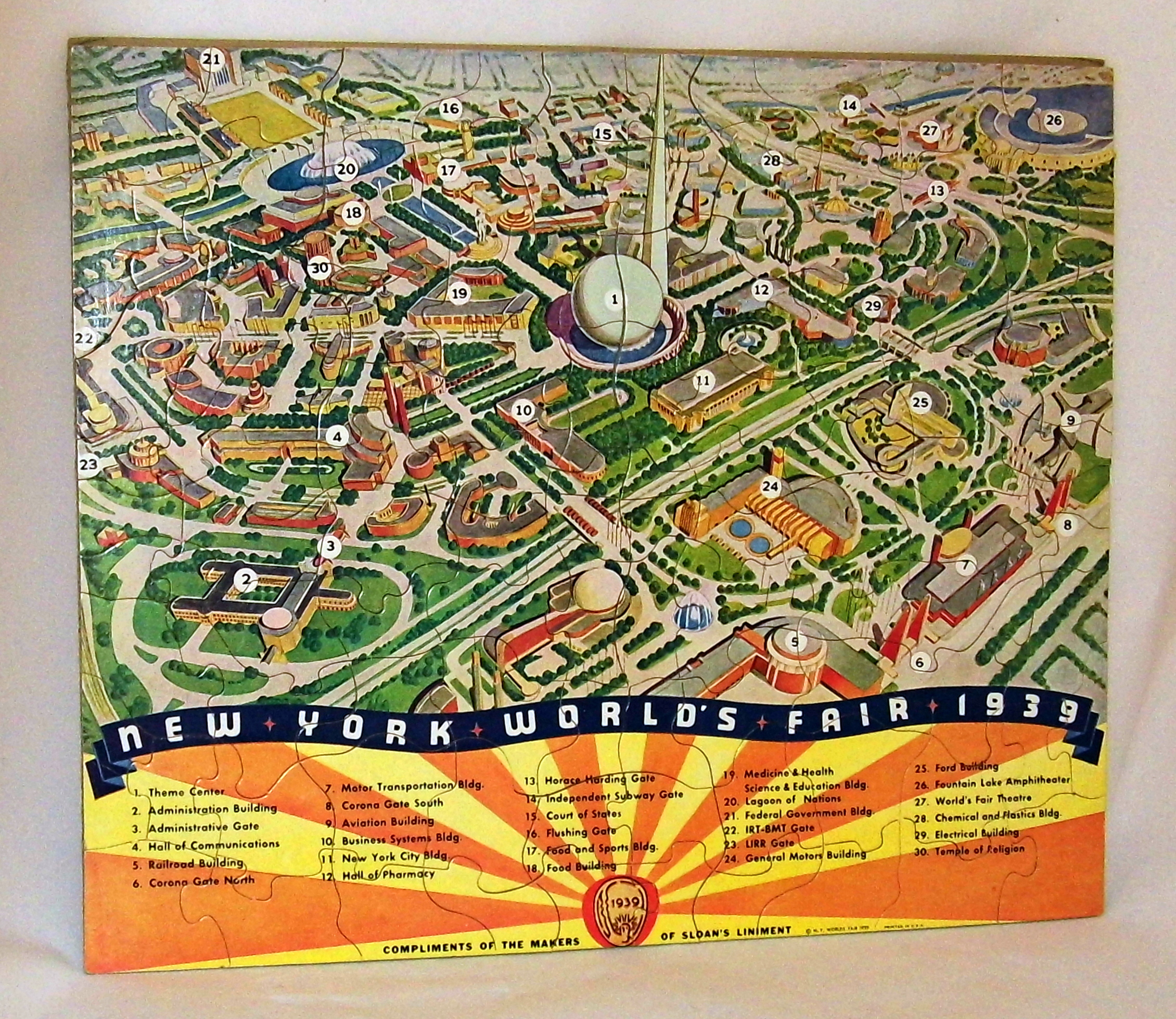
In this communal environment, puzzling became social sport. There were exchanges and friendly races: who could finish before midnight, or before the neighbors next door? Some houses saw the table claimed for days, family members drifting past to add a leaf or a windowpane between chores. The habit stitched a small steadiness into unsteady days — the picture emerging, click by click, even when so much else refused to line up.
After the Glow of Television
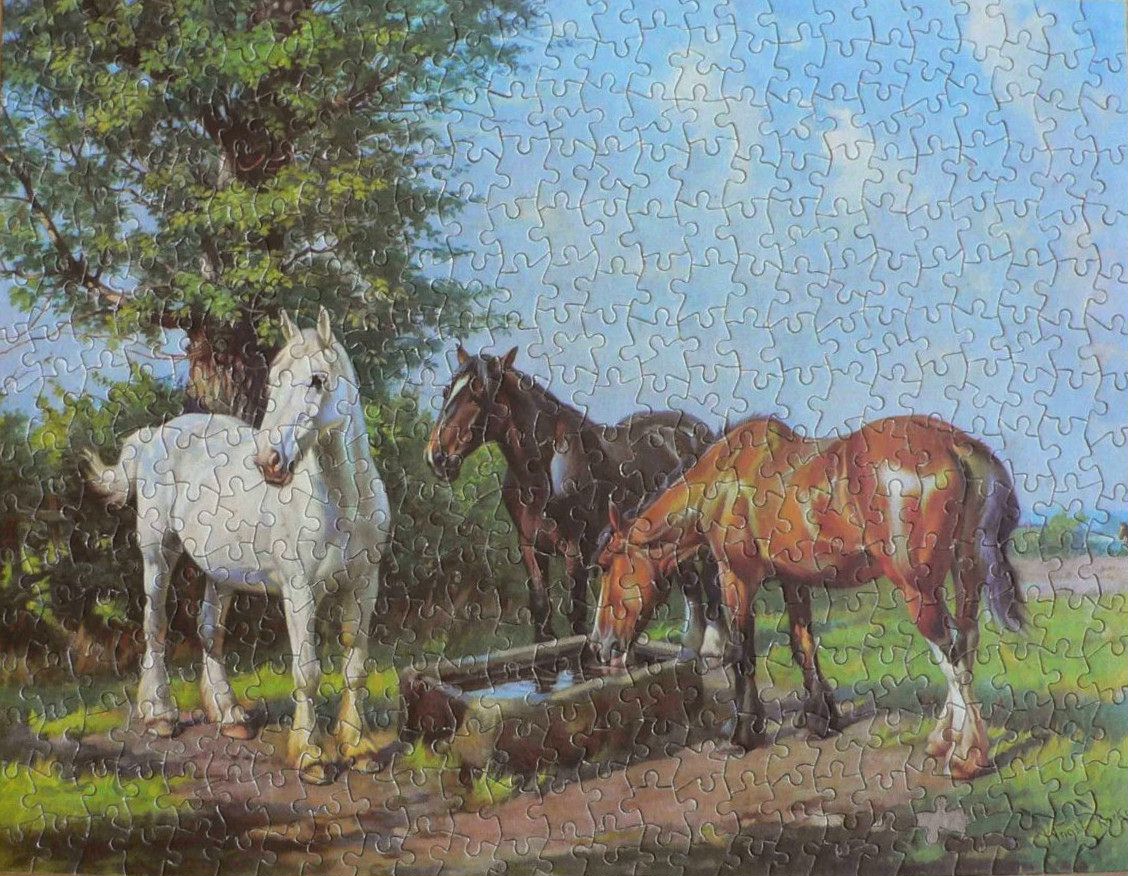
By the 1950s, a new kind of screen began to claim the family’s attention, and the old craze dimmed under the living room’s blue glow. As one account notes, the puzzle’s heyday faded as televisions moved into American homes. But jigsaws never really left. In the 1960s, Springbok wooed a design-conscious audience with art reproductions; by the 1970s, piece counts swelled and subjects multiplied — subway maps, abstract art, even a few devilish collages designed to test the limits of patience.
.jpg)
Modern fans have pushed the boundaries further still. Puzzle enthusiasts of today’s age have even create huge murals of over 20,000 pieces and more! Still, whether assembled solo in companionable silence or shared with a grandchild who pockets a favorite piece to save for the finale, the old rituals remain. Libraries host exchanges; families rotate boxes among siblings; some folks work without peeking at the lid, clinging to the thrill of seeing a picture form from chaos.
Looking back, it’s tempting to say we puzzle because the world is complicated and the table offers a small, solvable corner of it. But maybe the reason is simpler. A jigsaw asks for no scoreboard, no sign-in, no special outfit. It just sits there, waiting — a steady invitation to linger in good company and let time pass softly. And every so often, on a rainy Saturday, it takes over the room again, piece by quiet piece, until the last gap closes and someone leans back with a satisfied, familiar smile.
More to Explore
SKM: below-content placeholderWhizzco for DOT