
When the Toaster Lowered Itself: The Little Miracle That Prepped Us for the Age of Appliances
Before countless kitchen appliances took command of the counter, a quieter trick of engineering made the kitchen feel downright space-age.

You can picture those Saturday morning in the late 1960s: sunlight on a laminate counter, orange juice in a sweating glass, and a slice of bread set into a toaster that niftily glides down by itself, without a lever. To a child at the table, that gentle descent felt like wizardry. Those were the years when a humble bit of engineering could turn breakfast into a small spectacle, and it primed us for the bigger marvels just around the corner.
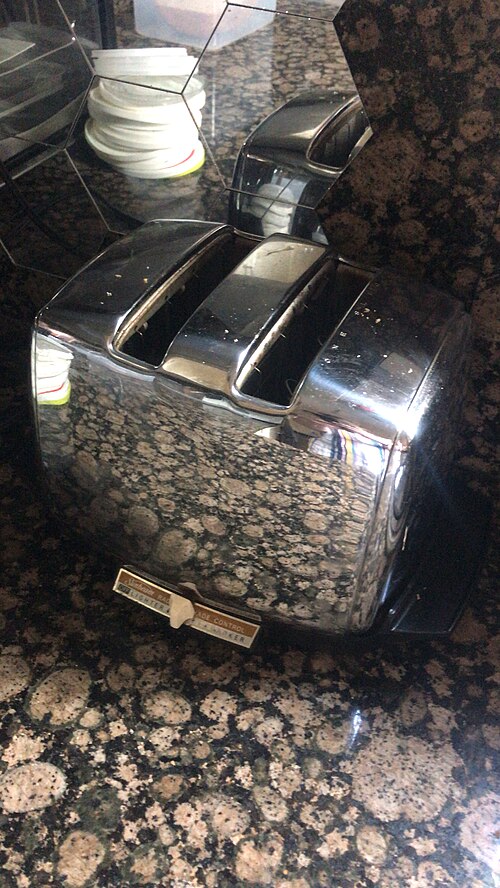

A First Taste of Kitchen Magic
Long before processors began blitzing herbs into pesto and kneading dough in minutes, small domestic surprises hinted at a new kind of convenience. Chief among them were the leverless toasters whose weight-sensitive mechanism took bread down to the coils automatically, making everyday breakfast feel like a magic trick you could set on the counter. For many, a toaster that lowered bread on its own was their first brush with a kitchen that seemed to think for itself.
Beyond the leverless toaster, there were other glimpses of the future, too. Electric can openers stood at attention, humming to life at a touch and cleanly capturing lids instead of sending them clattering into the sink. The detail that dazzled home cooks was simple but satisfying: a magnetic feature that held the lid after cutting. Even the coffee ritual got a modern flourish as percolators burbled under gleaming domes. A necessary daily ritual for anyone blearily padding into the kitchen in slippers. And then, of course, microwave ovens appeared on countertops, tall and boxy and brimming with promise. However large and loud they seemed, early microwaves felt like futuristic magic to families who could reheat leftovers in a fraction of the time.
Then Came the Whir
At the time, these items were more than appliances. They were little previews of a life with fewer hurdles, a kind of domestic moon landing made possible by motors, magnets, and cleverly hidden sensors. They beckoned toward a far more streamlined convenience than had ever been possible for the home-cook before.
By the 1970s, the kitchen’s quiet magic turned into a confident hum. When engineer and devoted home cook Carl Sontheimer introduced his food processor at a Chicago trade show in 1973, the first reaction from many retailers was confusion. Was it a fancy blender? What would a home cook even do with it? But those who brought it home understood immediately: slicing, chopping, puréeing, and dough-making could suddenly happen in seconds. Endorsements from culinary voices like James Beard and Julia Child helped translate the machine’s promise into everyday use, and the food processor’s whir quickly joined the soundtrack of American kitchens.
At the time, cooking itself was changing. Entertaining at home, learning from television chefs, and experimenting with global flavors were all rising trends. The processor met that moment perfectly. A platter of gratins or a pie for a crowd no longer required hours of knifework. It was now possible to say yes to recipes that once felt out of reach. And as the decade wore on, competition brought more choices. Waring, Sunbeam, Farberware, and KitchenAid all offered their takes, and attachments multiplied like the recipes in a bulging card file. For many, it became a wedding-registry staple; the symbol not just of convenience, but of culinary possibility.
Looking back, there’s something touching about those early commercials and glossy ads promising a faster, more fearless kitchen. They weren’t wrong. The processor in all of its iterations truly did expand what a home cook could attempt on a Tuesday night.
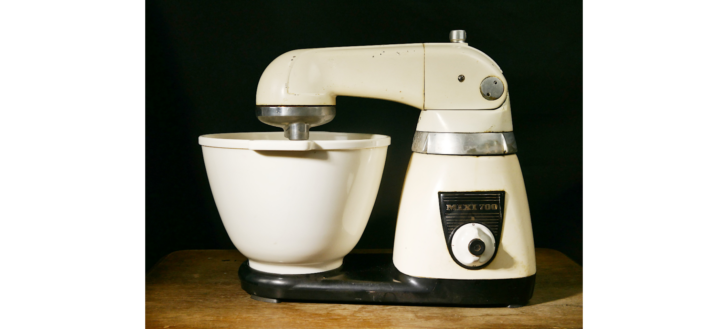
Living With the Future on the Counter
The speed that these gadgets afforded didn’t just affect the kitchen. They changed the rhythm of home life at large. The self-lowering toaster and magnetic can opener handled the fussy bits so hands could be free for pouring juice, packing lunches, or checking homework. The food processor turned company dinners into less of a nail-biter and more of a pleasure. Even the microwave, with its steady hum and fogged window, redefined what “quick” could mean after a long day. With less time devoted to chopping, more could be put towards the kids and towards relaxation
There were occasional mistakes; over-chopped herbs, a dough that climbed the blade, a batch of bread crumbs that became a snowstorm, but the wins far outnumbered the misses. The point was empowerment. These machines made cooks feel capable, modern, and daring.
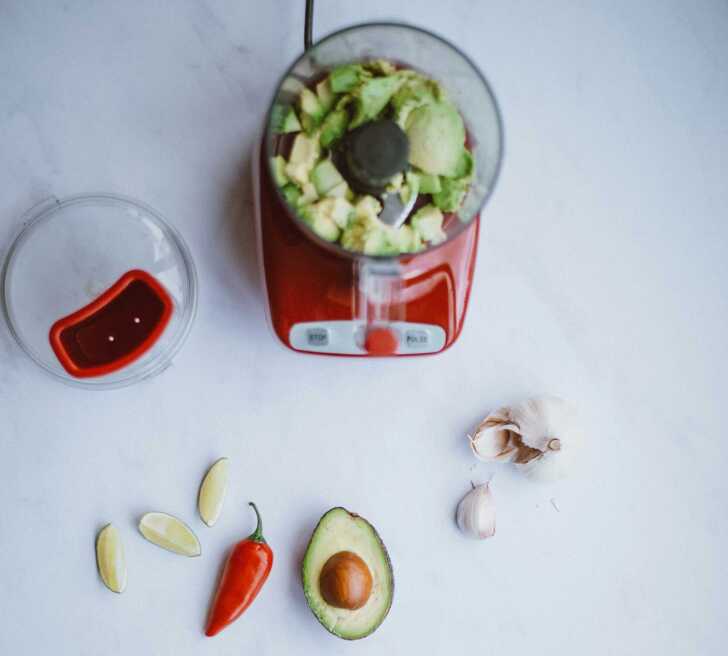
It All Started As If By Magic
The funny thing is that the enchantment with big appliances began with something as simple as a slice of bread easing downward without a finger laid on it. That small wonder prepared us to trust the bigger ones. Today’s air fryers, smart ovens, and whisper-quiet blenders owe a debt to those earlier moments of kitchen awe. The lesson still holds: when a tool removes just enough friction, it opens the door to curiosity. Suddenly, we try the pâté, the tart, the towering salad with paper-thin cucumbers—because we can. The food processor. The mixer. They make it possible.
The sound of a motor catching, the sight of toast settling into heat on its own. These were the minute details reminding us of an era when the future didn’t just arrive; it landed right on the countertop, capable and ready to help with dinner.
More to Explore
SKM: below-content placeholderWhizzco for DOT