
Was Ben Cartwright America’s First Primetime Quarterback? How Bonanza Turned Sundays Into a Family Huddle
Long before football was the weekend’s main event, a different kind of huddle gathered around a glowing screen as the Ponderosa map burst into flame and the Cartwrights galloped into view.
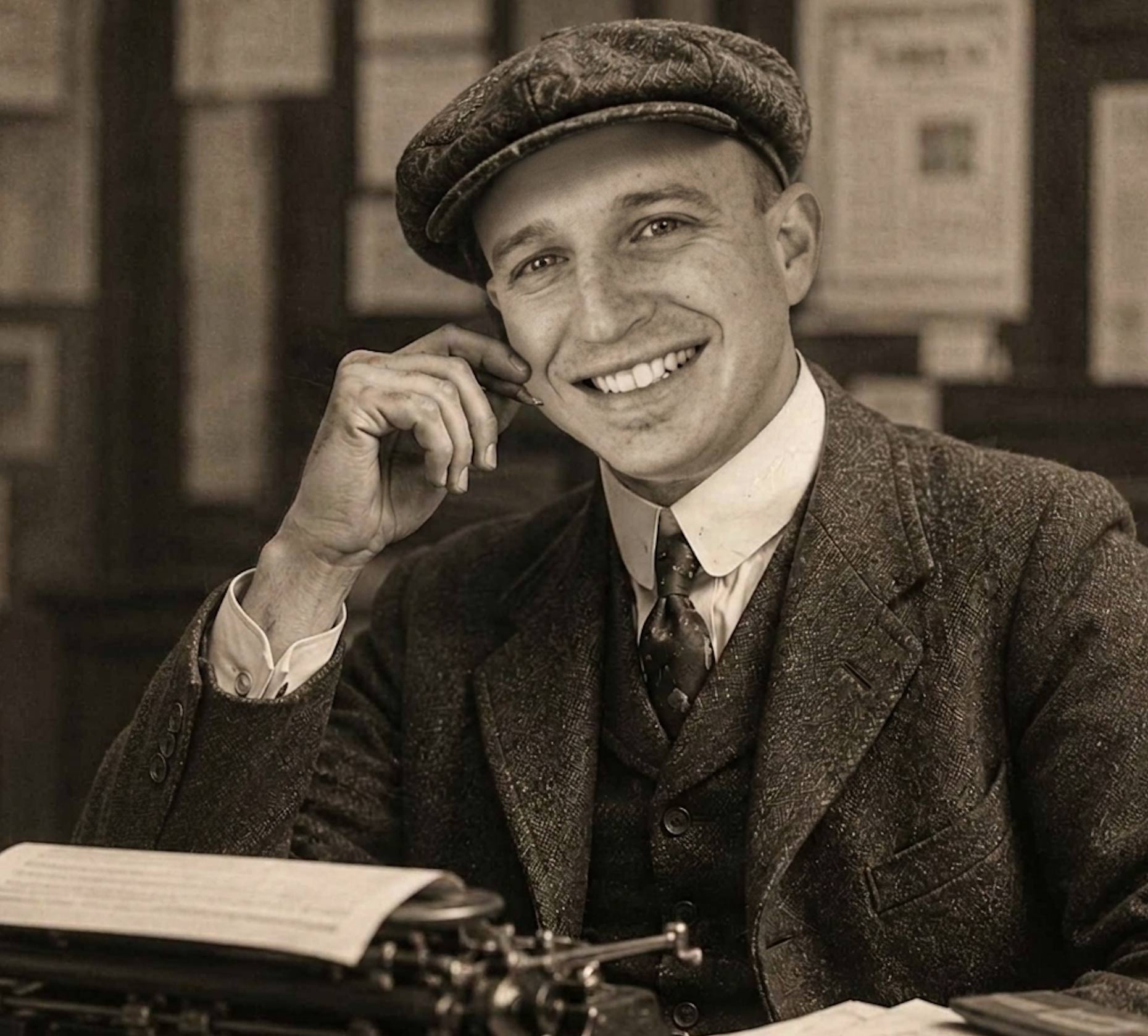
Picture a living room on a quiet Sunday night. The coffee table holds a plate of cookies, the good lamp is dimmed just enough, and the theme’s gallop sets a steady beat. Dad settles in like a quarterback under center, Mom shushes the room at the first crackle of the burning map, and the kids lean forward, already knowing the rhythms: a problem at the edge of the Ponderosa, a test of character, a rider kicking up dust on the horizon. If some shows were a quick snack, Bonanza felt like supper with the family; predictable in the best way, yet somehow new and enjoyable each week.

Color, a Ranch, and a Risk That Paid Off
When Bonanza rode onto NBC in September 1959, it wasn’t just another Western. The show was a bold splash of color in a mostly black-and-white world, and the first hour‑long TV Western filmed entirely in color. At the time, that mattered. Sets in living rooms didn’t turn colorful overnight, but the series gave families a reason to crave it.
Even with being one of TV’s few full-color programs, its earliest days were chancy; the show didn’t find its stride until NBC moved it to Sundays in 1961. There, it did more than climb the ratings, setting a pattern of regular, appointment viewing that pulled millions of Americans into their living rooms at exactly the same time, an exciting yet compaionable cornerstone of the weekend routine.
Part of the magic was the idea at its core. Creator David Dortort wasn’t after another lone rider fading into a sunset; he wanted a family planted on a piece of the map you could point to. The Ponderosa wasn’t just backdrop. It was a promise of possibility. The show made clear that there could be a home big enough to hold differences, and strong enough to weather them.

Meet the Cartwrights: A Family Western
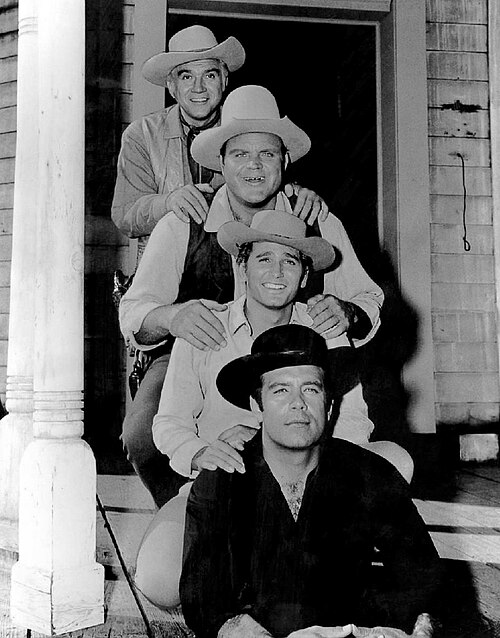
Ben Cartwright, with Lorne Greene’s steady, resonant voice, was that rare TV father who didn’t bluster or bumble. He led. Around him, three sons — Adam, Hoss, and Little Joe — brought balance like parts of a well-tuned engine. Adam, the architect’s mind; Hoss, the big-hearted gentle power; Little Joe, the sparkplug. Even the kitchen felt like it had a personality in Hop Sing, making the Ponderosa feel like a living, breathing household.
This was a Western where problems were more often talked through than shot through. Story after story wrestled with fairness, prejudice, and how to be a decent neighbor. Conflicts regularly found their resolution through conversation rather than a hail of bullets, and, somewhat unusually for a prime-time show, Bonanza didn’t shy away from topical issues (resolved through dialogue rather than shoot-outs). That human-scale focus on neighbors, miners, and drifters with complicated pasts, gave viewers something to chew on after the credits rolled. It wasn’t just who won the fight; it was who listened, who forgave, and who learned. For families watching from home, these felt like poignant lessons for the time.

Turning Points on the Ponderosa
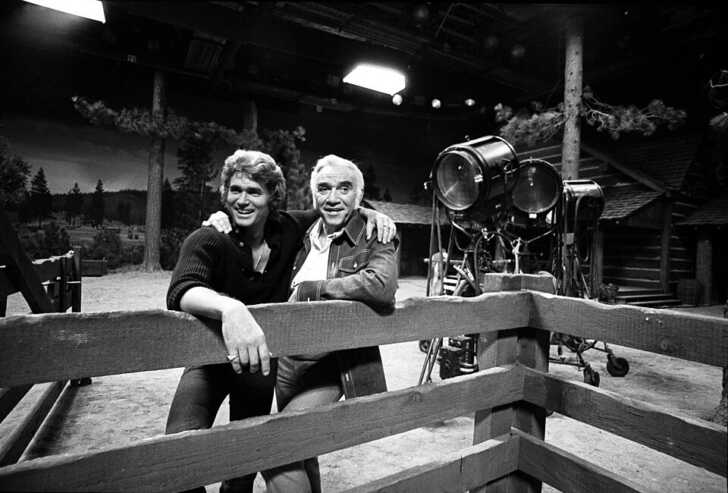
As with any long trail, there were rough patches. Pernell Roberts, who played Adam, departed in the mid-1960s, and his character’s quiet exit began to shift the family’s shape (without breaking it). As Little Joe, Michael Landon grew up on the series, and stepped behind the camera to write and direct stretches of its later years. Then, a heartbreak came: Dan Blocker’s sudden passing in 1972 left an absence that felt personal to viewers who’d come to think of Hoss as a friend. By early 1973, the ride ended.
But endings can’t erase a map that’s been etched into memory. Bonanza ran for 14 seasons and 431 episodes, becoming NBC’s longest-running Western and trailing only Gunsmoke in the genre’s TV endurance. Syndication kept the Cartwrights on our screens, their opening credits a familiar drumbeat in daytime lineups for decades after the last first-run saddle was hung up.
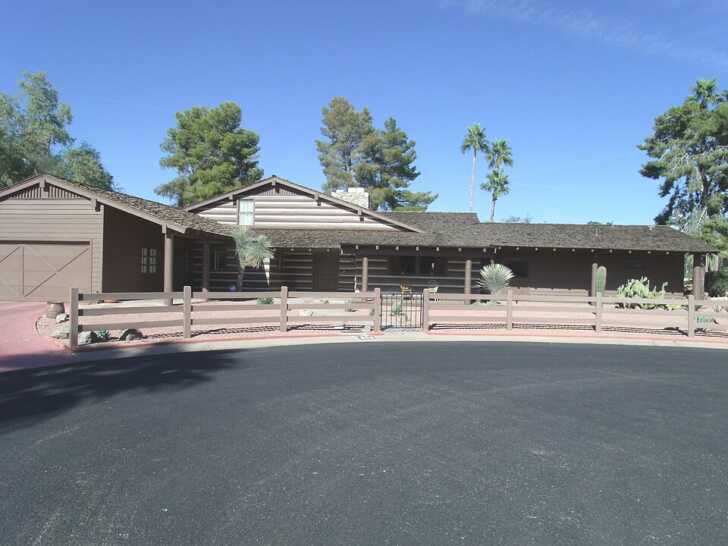
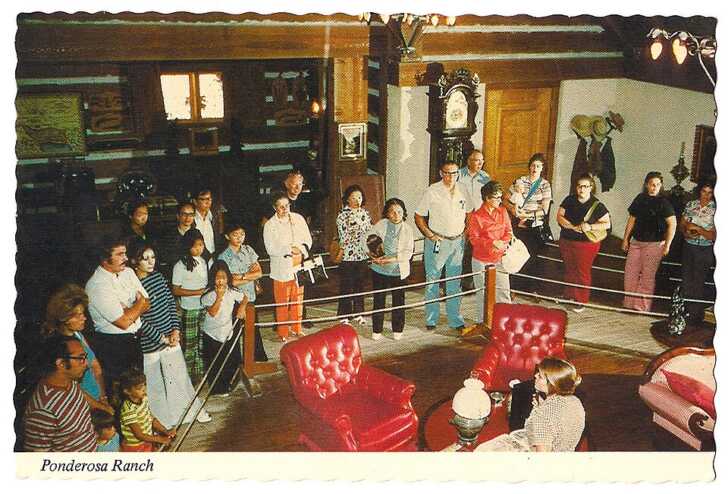
The longevity wasn’t only about star power or scenery, though the Lake Tahoe vistas and studio-built Ponderosa lodge made fine postcards. It was the show’s steady heart. Whether the trouble came as a range war or a stranger with a mysterious grudge, you could count on Ben to call the play, on whichever son rode with him to make the right read, and on the episode to close with a moral that didn’t scold so much as nod toward a better choice.

Remembering a TV Titan
At the time, there were plenty of Westerns with a whole parade of hats, horses, saloon doors, and dusty streets. Yet Bonanza found an extra gear by centering the family table alongside the hitching post. Maybe that’s why so many households channeled the Cartwrights on their own sofas. On screen was a father doing his best, siblings arguing and reconciling, supper waiting, and a door that opened easily for a neighbor in need. It was frontier myth, yes, but it felt like home.
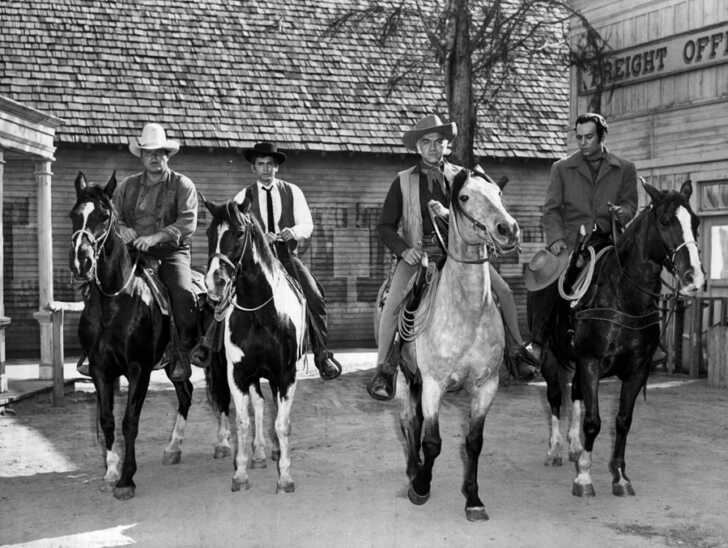
Today, Sunday belongs to other huddles. Still, the spirit of that weekly gathering remains easy to call up: the lamps low, the theme’s canter, the map in flames giving way to four riders. Whether watched on a big console, a rerun on afternoon TV, or a streaming screen late at night, Bonanza invites the same simple ritual; sit together, listen closely, and leave a little better than you came. For a time, Ben Cartwright may well have been America’s first quarterback, calling plays not for yardage but for character. And every week, we tuned in for the win.

More to Explore
SKM: below-content placeholderWhizzco for DOT