
When a Buck and a Box Top Could Outfit a Summer
The treasures themselves were modest trinkets; a ring that turned your finger green, a belt that squeaked, a sticker that didn’t quite stick. But the journey felt big.

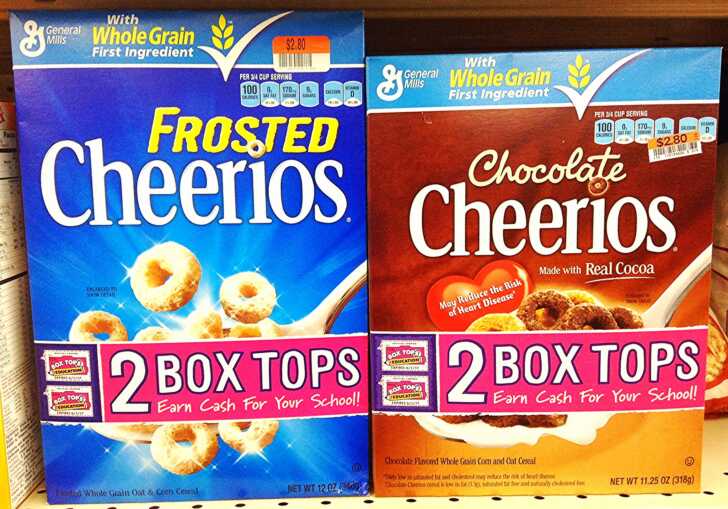
Once upon a kitchen table, a cereal box lay flat, its back panel snipped clean. A stamped, hand-addressed envelope waited alongside a single dollar bill and a careful stack of box tops. Four to six weeks later, the mailbox would produce something small and spectacular. Proof that patience was rewarded arrived as a ring, a towel, or a toy that felt like it had your name on it.
These little rewards were more than advertising. They were part scavenger hunt, part rite of passage. Kids learned to read fine print, parents nodded at “postage and handling,” and the whole house listened for the slap of the mail carrier’s foot on the porch.
How the Game Began
Long before Saturday-morning cartoons taught us to fish the bottom of the cereal bag, companies were experimenting with premiums. Early giveaways such as tokens tucked into packages or picture books offered with a purchase, hinted at the bigger idea: turning brand loyalty into a mailbox thrill.
By the late 1940s and 1950s, mail-in offers and in‑box toys had settled into American kitchens for good. A ring from a children’s radio hero, a fold-out booklet, a spinner, a badge, these small tokens felt enormous because they were earned. The ground rules were simple: collect proof of purchase, slip in a coin or a dollar to cover costs, and wait. It wasn’t free, exactly, but it felt like magic paid for with your daily breakfast routine.
The Boom Years: 60s – 80s Treasure Hunts
After World War II, plastics and mass production made it possible to churn out bright, durable novelties that could survive a lunchbox or a backyard. The weekend newspaper and the sides of boxes became a catalog of temptation: beach towels emblazoned with smiling soup kids, pop‑art pillows modeled after pantry staples, and tote bags tough enough for the pool. Toothpaste offered vinyl dolls of famous cartoon characters. Light bulbs promised soft plush turtles or a cheeky “Turn Me On” T‑shirt if you mailed in the right proof.
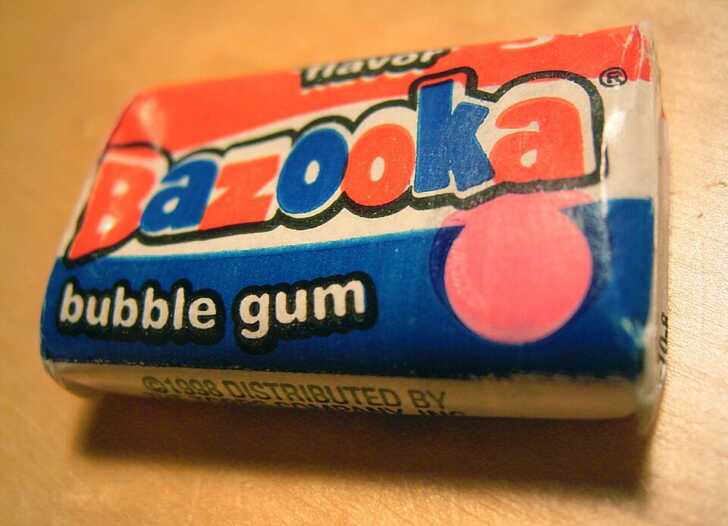
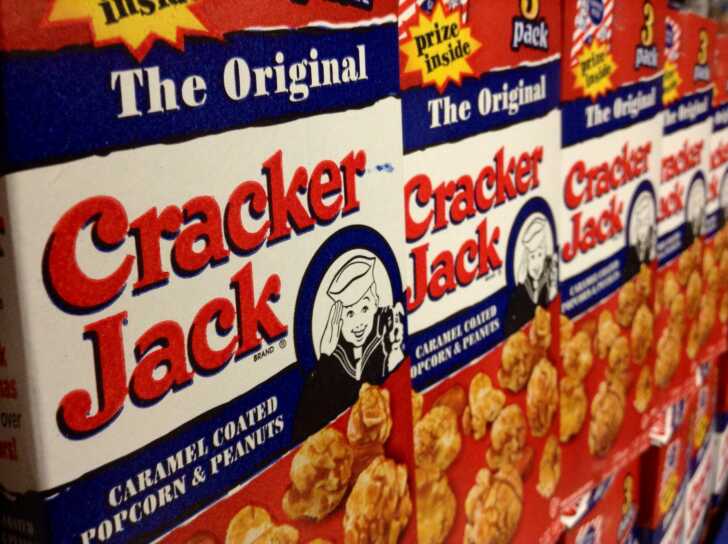
Not every treasure came from cereal. Gum wrappers worked like pocket‑sized banknotes. Bazooka bubble gum wrappers featured comic‑strip coupons kids could mail for rings, T‑shirts, and knickknacks, which turned a nickel’s worth of sweetness into weeks of anticipation. And then there were the stalwarts: Cracker Jack made a tiny prize part of its personality, while potato chips and tea slipped collectable coins and miniatures into their packaging or offered them through the mail.

Breakfast, though, remained the main stage. Every household had its strategies: siblings bargaining for box-top rights, a parent carefully slicing proof of purchase from soup can labels, a grandparent insisting on “one per week” no matter how good the coupon looked. Collectors still talk about the era’s mail-ins; plastic racers from a favorite seafaring captain’s cereal, glow‑in‑the‑dark trinkets, little monsters that felt just a bit too spooky for the kitchen table. Even as the 1980s wore on into the ’90s, the cereal aisle kept dreaming up new hooks; a flourish arrived with a 1991 Addams Family cereal that tucked in a Lurch flashlight, a wink to the thrill of eerie, glow‑in‑the‑dark surprises.
For kids, the draw was the ritual just as much as the object. You learned to address an envelope neatly, to tape a coin so it wouldn’t rattle, to wait without pestering. Recess became a trading floor; one person needed a belt in neon plastic, another was desperate for a missing sticker. The mail‑away world rewarded patience, and it gave everyday groceries a little shimmer.
Why It Faded and What Survives Today
It’s easy to forget that most premiums weren’t truly “free.” Many were what marketers called self‑liquidating (the small fee you sent in more or less covered the item and the postage). As shipping and materials costs rose in the 1990s, that equation got wobbly. Add in a few headline‑grabbing safety scares and the tide began to turn. Soon the same impulse that once asked for a box top instead wanted a barcode or a PIN code. The secret passwords moved online, and the weeks‑long wait that defined a century of premiums was replaced with instant downloads, rebates, and online vouchers.
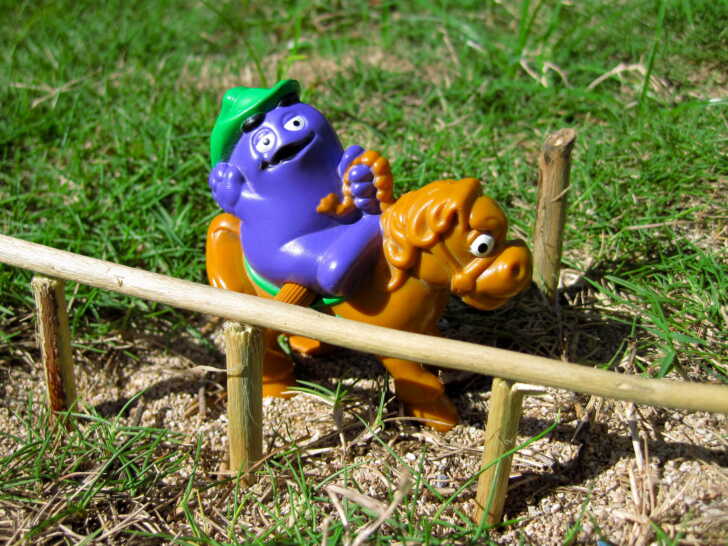
Even so, the feeling hasn’t vanished. Some traditions rolled forward: fast‑food kids’ meals became a standing appointment with a new toy; seasonal promotions still wink at the old excitement. Many of the original freebies survive in thrift shops, flea markets, and family attics. They’re souvenirs of a time when marketing tried to be tangible, when a company could say, “Prove you’re with us,” and send back something you could hold.
Maybe that’s the real charm. The treasures themselves were modest trinkets; a ring that turned your finger green, a belt that squeaked, a sticker that didn’t quite stick. But the journey felt big. A kitchen became a post office, a cereal box became a catalog, and the mailbox became a stage door where small delights made their entrance.
What did your family send away for?
via Flickr CC BY 2.0
More to Explore
SKM: below-content placeholderWhizzco for DOT