

Dawn in Leipzig, 1725: candles gutter in the spring chill as parishioners hurry in, shawls and coats rustling, children tugging at sleeves. Then, the timpani rumbles, and three bright trumpets lift the nave into morning.
That was Easter Sunday for a Lutheran congregation in a trading city where music threaded through daily life as surely as the clatter of wagon wheels over cobbles. Johann Sebastian Bach had been in his post only a short while, yet by this year he was shaping the soundscape of Leipzig’s holy days with a confidence that felt both new and timeless. Two days before, a somber Good Friday had sent worshipers out into the gray hush of Holy Saturday. Now, on Sunday, the church doors swung wide for something different: jubilation.

The City, the Choir, and a New Easter Sound
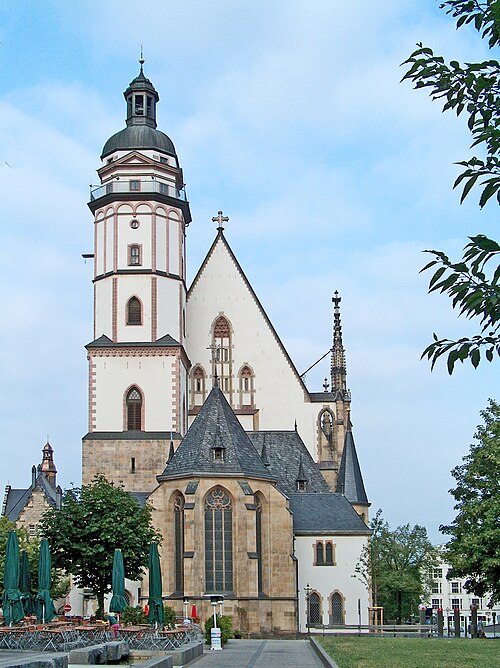
At the time, Leipzig’s Thomasschule and the city’s two principal churches, the Thomaskirche and the Nikolaikirche, formed a musical world that lived closer to the workshop than the concert hall. Choirboys learned by doing, instrumentalists doubled as civic players, and the cantor balanced the ledger of Sundays, feast days, and special occasions with all the craft of a tailor. The rhythm of performance was most formed by the seasons, and 1725 brought a new Easter centerpiece that stood out beyond the musical routine. Bach’s Oster-Oratorium, the Easter Oratorio, was first performed on Easter Sunday in 1725, its opening Sinfonia bursting with the gleam of three trumpets and the heartbeat of timpani. It was a hit.
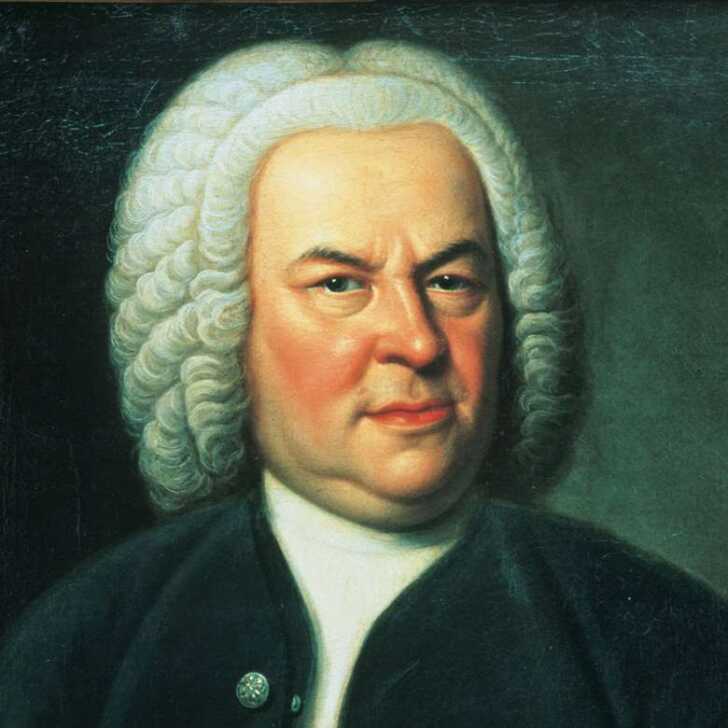
Leipzig’s congregations were used to being astonished. Just two years earlier, a determined 38-year-old from Köthen had stepped into the city’s musical life, leading services and schooling the choir in music that ranged from intimate chorales to expansive, dramatic storytelling. Whether the pews were filled with merchants, students, or children fighting a yawn, Bach aimed his craft at the heart; he liked to meet people where the year, and their own memories, had brought them. He was continually proving himself to be one of the greatest composers this world had seen.
From Banquet Hall to Easter Morning
The Easter Oratorio’s path to the pulpit carried a healthy amount of theater. Only weeks before Easter, Bach wrote a celebratory cantata for a princely birthday (complete with pastoral characters and festive air) then refitted its music for church, adding new sacred recitatives. The idea wasn’t trickery; it was good stewardship. In a city that expected fresh music week after week, he recycled, refined, and reimagined. According to later accounts, the Easter music made the rounds in a single day, sounding in a morning service at the Nikolaikirche and again at vespers in the Thomaskirche. Imagine the word of mouth between services: “Wait till you hear the trumpets.”
Behind the scenes stood Christian Friedrich Henrici (Picander) whose verses suited both the princely table and the parish pew. The quick turn from banquet to holy service speaks to Bach’s practical genius: he built bridges between secular festivity and sacred celebration, letting music do the work of translation. What shimmered in a ducal hall could be recast, almost overnight, as proclamation from the pulpit.
Easter 1725 in Leipzig didn’t rest on new notes alone. Bach was also known to reach back into earlier pages when the moment called for it, including revivals of works like the 1707 chorale cantata Christ lag in Todes Banden (performed years later, in 1725, at St. Thomas Church). These works allowed old faith and new energy to meet in the same space where Leipzigers prayed and sang together. This combination of past and present was important to the musical culture of the time, and remains important today.

Four Voices at the Tomb
The Easter Oratorio doesn’t preach so much as it stages an encounter. Instead of a single narrator guiding every turn, its recitatives and arias step into the shoes of four biblical figures – Mary Magdalene, Mary Jacobé, Peter, and John – hurrying to the tomb, comparing notes, and finding courage in the surprise of an empty grave. In the pews, familiar Gospel names suddenly felt conversational, even neighborly. Listeners could hear Peter’s urgency, John’s swiftness, the women’s dawning joy; while the music was grand, the story moved on human feet.
In that setting, the instruments became characters too. Those trumpets still shine like morning sun on stone when the piece is played, while the oboes and strings move like footsteps along the garden path. The choir, when it enters, feels less like spectacle and more like a city speaking as one.
Years later, Bach would copy out an autograph score and set the work alongside his Christmas and Ascension oratorios, a tidy shelf of holy days. But the living memory of Easter 1725 lingers best in the picture of a congregation standing shoulder to shoulder. Apprentices beside aldermen, students beside shopkeepers, parents with small children, all listening for the news that all things had been made new.
The City Remembers
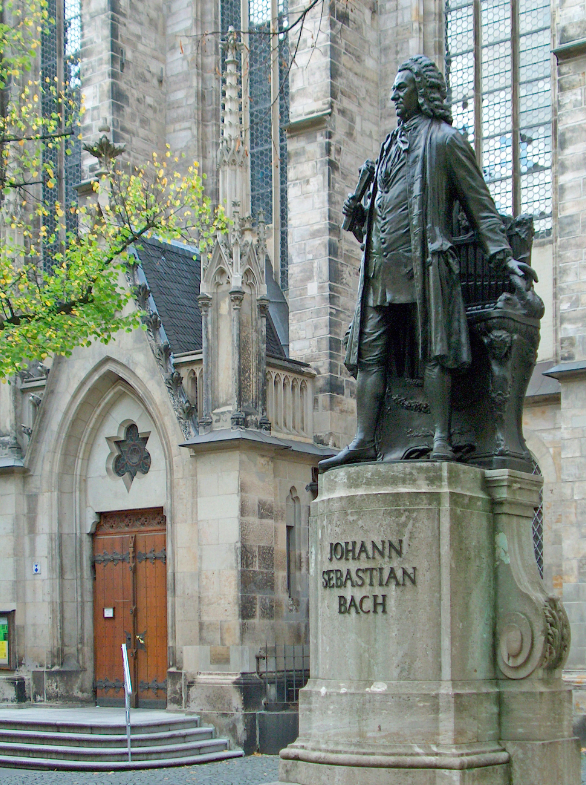
Leipzig still bears the sound. Step into the Thomaskirche today and the space answers softly in wood and stone. The trumpets are quiet, but the echo of that morning remains. Proof that music, when it tells a shared story, can turn a busy city into a single, listening heart.
More to Explore
SKM: below-content placeholderWhizzco for DOT