
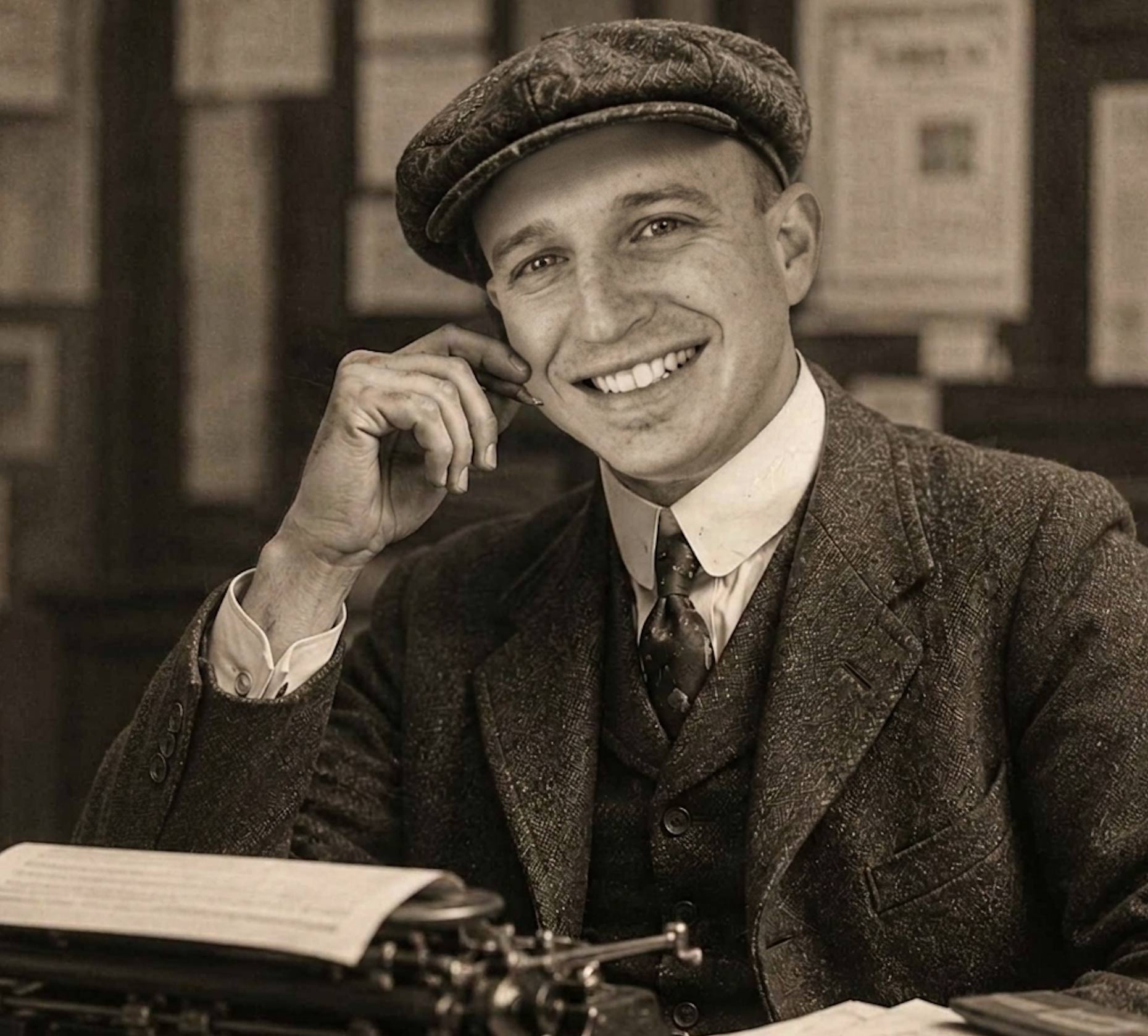
“1-Adam-12, see the man, possible 459.” If you can hear the squawk of the radio and picture the red beacons bouncing off storefront glass, you already know the spell this late 1960s procedural could cast. Adam-12 didn’t shout; it spoke in codes. And somehow, that made it feel truer than almost anything else on TV.

Code Talk: How Numbers Built a World
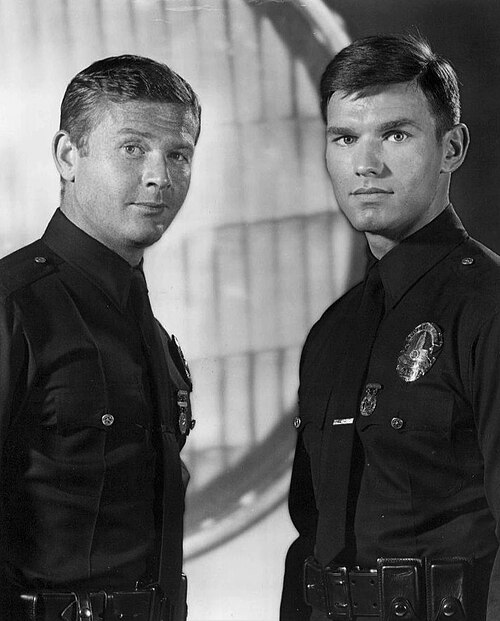
When Adam-12 debuted in 1968, audiences weren’t just meeting Officers Pete Malloy and Jim Reed, they were suddenly privy to a secret language. “Adam” was the call sign for a two-officer car, and weekly the partners responded to a string of digits that slowly became familiar to the audience at home. The show leaned on real department codes — 211 for robbery, 459 for burglary, 484 for theft etc — and even routine shorthand like Code 7 for “out to eat.” Viewers didn’t need a glossary; the meaning clicked from the way the scenes unfolded. Before long, fans could tell a hot call from a minor fender-bender by the numbers alone.
During the ’60s, realism on television didn’t mean bigger budgets or louder stunts. It meant getting the texture right. It was in how a dispatcher sounded when the airwaves were busy, how a simple traffic stop could turn on a single nervous gesture, and how two patrol partners filled the quiet stretches with small talk that felt indistinguishable from conversations viewers were having in their own lives. The series followed a single shift across the city; calls, reports, the rare chase, letting the jargon do the heavy lifting. If you listened closely, you could almost map Los Angeles by the radio traffic.

The Homework Behind the Badge
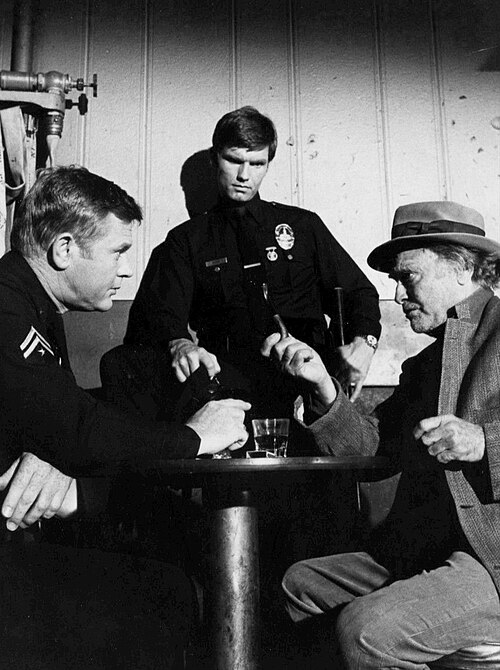
That authenticity didn’t happen by accident. Before they were aired, each episode began with collaboration and research. A technical advisor from the LAPD worked with the lead writer, who rode along on multiple shifts before a script ever took shape. Scripts were reviewed by the department’s public information office, and the dialogue was polished until the beat felt right. Martin Milner, who played Pete Malloy, logged long nights in a squad car to get the rhythm of an officer’s day; Kent McCord (Jim Reed) did the same, learning how to carry himself when everything was quiet (and also when it wasn’t).
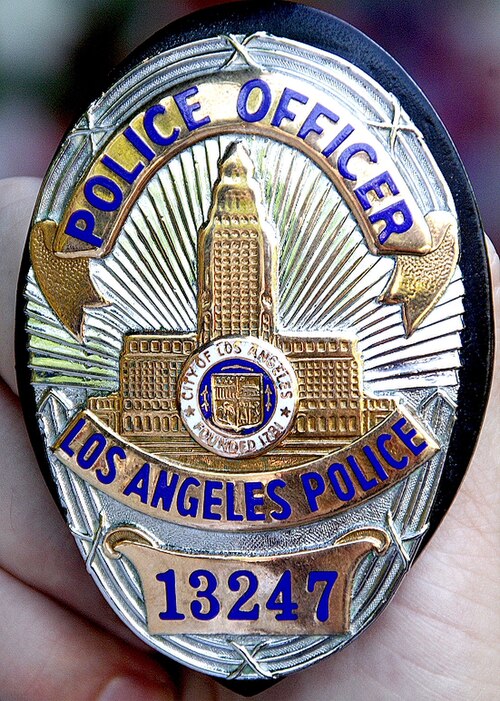
The small details came from the real world, too. The voice that threaded nearly every scene belonged to Shaaron Claridge, an actual LAPD dispatcher whose calm clipped delivery could raise your pulse with three words. The uniforms looked right because they were right: the production used real badges, and in those days even the guns weren’t plugged. The department’s cooperation wasn’t just about accuracy, either. In a turbulent era, the LAPD hoped a show built on competent, steady procedure might help mend public perception and recruit new officers.

When Realism Meant Paying Attention
Of course, even a realistic show makes a few TV compromises. Devoted watchers have pointed out that the LAPD traditionally used odd numbers for patrol beats, a quirk that made the famous call sign slightly off-model. It’s a reminder that while Adam-12 prized the truth of the work, it was still entertainment.
Regardless of these small changes, the show’s larger truth lands anyway. The codes and abbreviations, the quick acknowledgments and measured responses. These devices weren’t just TV varnish but a window into how a big-city department talked to itself, how it moved, and how it made sense of chaos through a shared language. For many viewers, that was the appeal. You didn’t have to be an officer to feel included; you just had to lean in and learn the lingo.
There’s a real pleasure in remembering when television invited us to listen this closely. Before slick tech and wall-to-wall spectacle became the default, realism often meant homework; for the actors, for the writers, and yes, even for the audience. You picked up the difference between a Code 2 and a Code 3, understood why “GOA” could end a scene with a sigh, and knew the day wasn’t done until the partners checked back in with the RTO. The show trusted viewers to catch on, and viewers did just that.
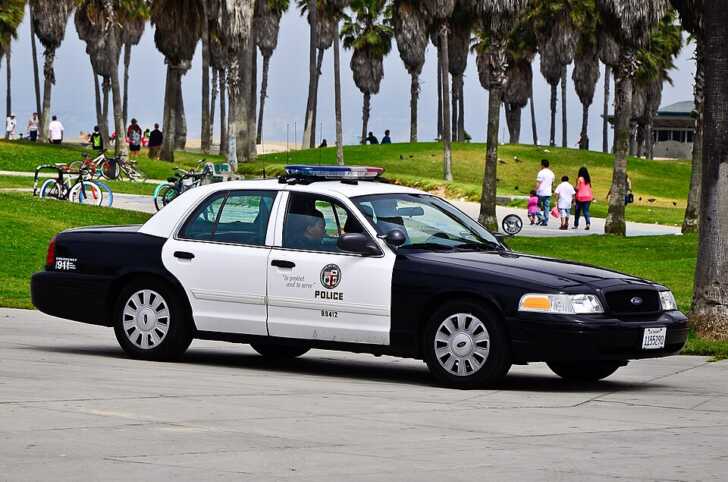

A Grounding in Realness
Looking back, it’s striking how much of Adam-12’s drama depends on restraint. Many episodes turn on a domestic call that simmers instead of explodes, or a petty theft that reveals a larger human story. The conscious decision to let letting procedure be the plot became a template echoed by other Mark VII productions, most famously Emergency!, which followed paramedics through their own call sheets across Los Angeles. The connective tissue was the same: precise language, practiced routines, and the sense that ordinary people were the center of it all.
Maybe that’s why the crackle of Adam-12’s radio still feels like a promise. Not of a shootout or a twist ending, but of an honest shift: a handful of calls, a few lives brushed by the law, and an (almost) secret language that made the whole thing ring true.
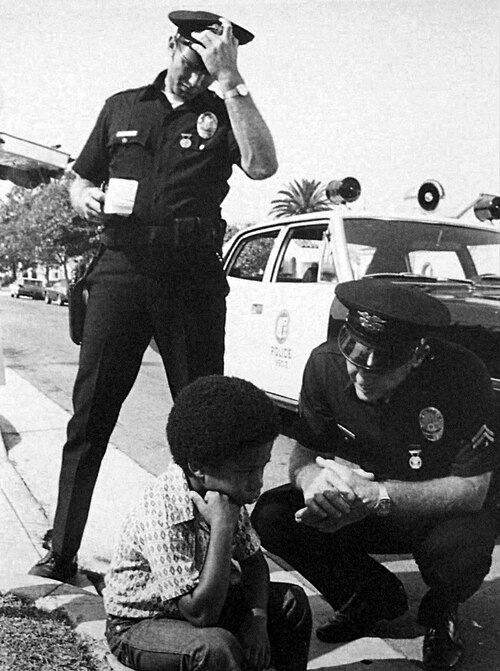

More to Explore
SKM: below-content placeholderWhizzco for DOT