
How The Monkees Turned TV Make-Believe into Pop Music Magic
Dreamed up for laughs and quick cuts, The Monkees proved that sometimes the silliest premise can lead to the most enduring music.
Picture a Monday night in September 1966: dinner plates pushed aside, the glow of a new color television warming the living room, and four lanky kids in a beach-house band tumbling across the screen. Within weeks of their debut on NBC on September 12, 1966, The Monkees were more than a sitcom, they were a soundtrack piping from bedroom radios and school dances, with “Last Train to Clarksville” riding the rails to the top.
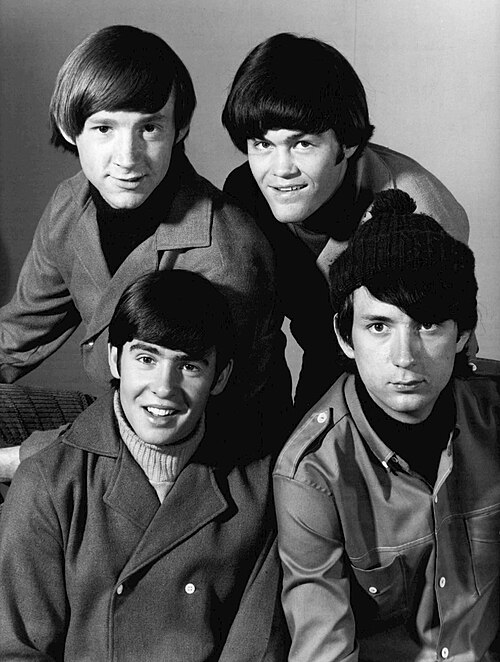
Image: NBC Television Via Wikimedia Commons. Public Domain

“Four Insane Boys”: Casting a Daydream
At the time, the idea felt like a wink at Beatlemania: cast four unknowns, build a show around their misadventures, and let the music stitch the scenes together. A now-famous casting call invited “four insane boys,” and more than 400 hopefuls turned up, guitars and grins in tow. The chosen quartet (Micky Dolenz, Davy Jones, Michael Nesmith, and Peter Tork) arrived with varying levels of musical seasoning: Nesmith and Tork were the most road-worn; Dolenz was an ex–child star with a drummer’s swing; Jones, fresh off Broadway, had a stage kid’s polish. The concept nodded to the freewheeling spirit of the Beatles’ films, but the show’s vibe was unique. The Monkees were sunny, sideways, and relentlessly playful.
Despite the rag-tag nature of the group, the music clicked immediately. Brisk, bright singles like “Last Train to Clarksville” and “I’m a Believer” lodged in the national ear. Teenagers loved the zippy humor; parents chuckled at the Keystone Kops energy; and record players got a workout. Looking back, the group’s success feels inevitable and a popular trope for aspiring entertainers: Good songs, TV-sized charm, and perfect cultural timing.

When The Spoof Got Serious
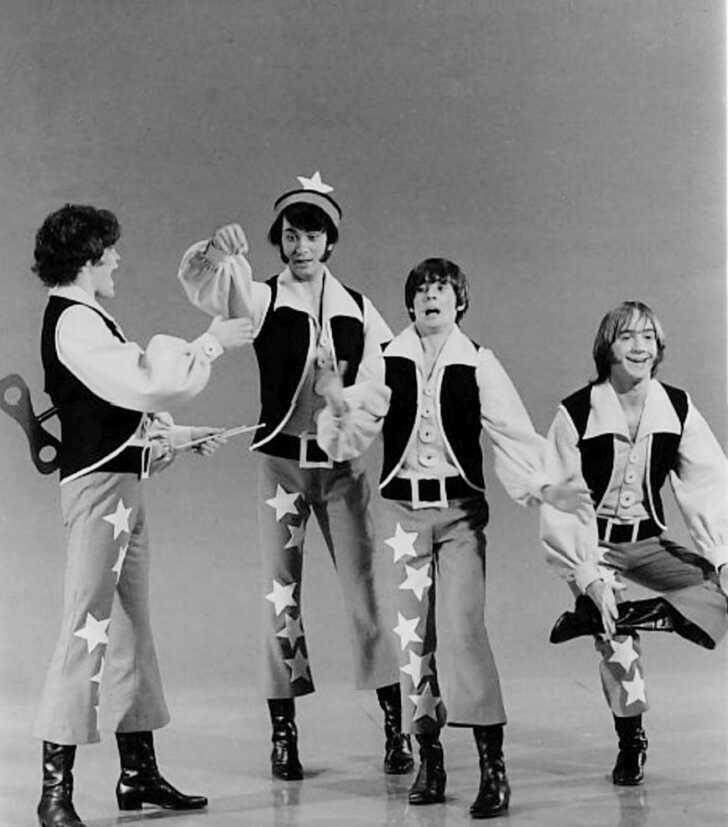
Success brought heat, and then the critique. Because studio players handled much of the early instrumentation, some dismissed the group as actors miming to someone else’s sessions. The “manufactured” label stuck, at least for a while, and the Monkees learned what so many 1960s acts did: once the crowd shows up, the pressure follows. The four pushed hard to take the reins by writing, playing, and shaping the sound as the show rolled into its second season. On television, too, they stretched. The episodes jittered with quick edits, aside glances, and fourth-wall cracks that felt almost revolutionary for prime time. As Mike Nesmith would later put it, the TV series was one group, who lived in an imaginary beach house—while the real band was taking shape offscreen and on the road.
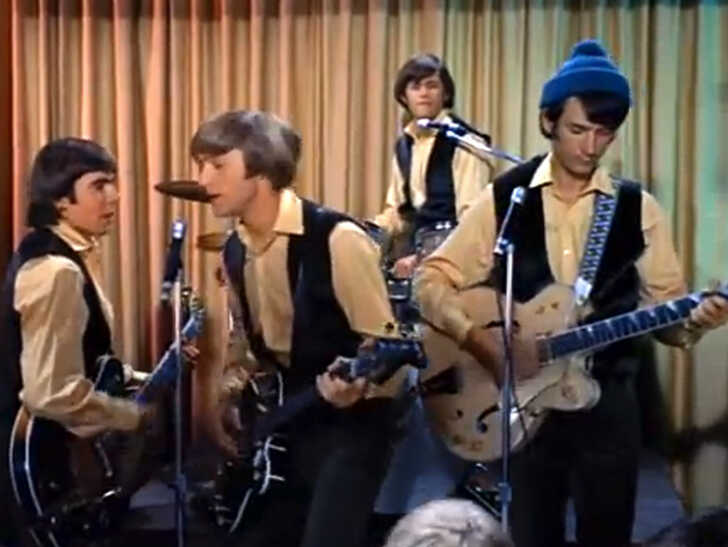
Despite the critique, the band stayed consistent. Critics could argue over origins, but it’s harder to debate a roomful of fans singing along. Their playful TV larks began to coexist with a real touring schedule, real studio work, and real musical growth. If you watched in those years, you could feel the shift: the jokes were still there, but the stakes had changed. The made-up band was busy becoming a “real” band.
After The Fade-Out, The Echo
When NBC pulled the plug in 1968 after two seasons, it could have been the tidy end to a TV experiment. Instead, The Monkees chose the messier, more interesting path. They hit the road. They made a baffling, brilliant art film, “Head,” with Jack Nicholson among the writers. The film was too odd for its time but became a cult favorite later. Reruns kept them flickering on Saturday mornings, and then came the shock of 1986: MTV ran a marathon, a new generation pressed play, and the old Monkees records found fresh legs. Reunion concerts sold out, and the story rewound and played again, only louder.
There was another twist too: the culture that once snickered had softened. They were even pinned with the nickname “Pre-Fab Four,” yet over time the actors morphed into a real musical group in the public imagination, their catalog judged on hooks and heart rather than how they’d started. By then fans already knew what older critics had missed: songs like “Daydream Believer” and “Valleri” don’t survive for decades by accident.
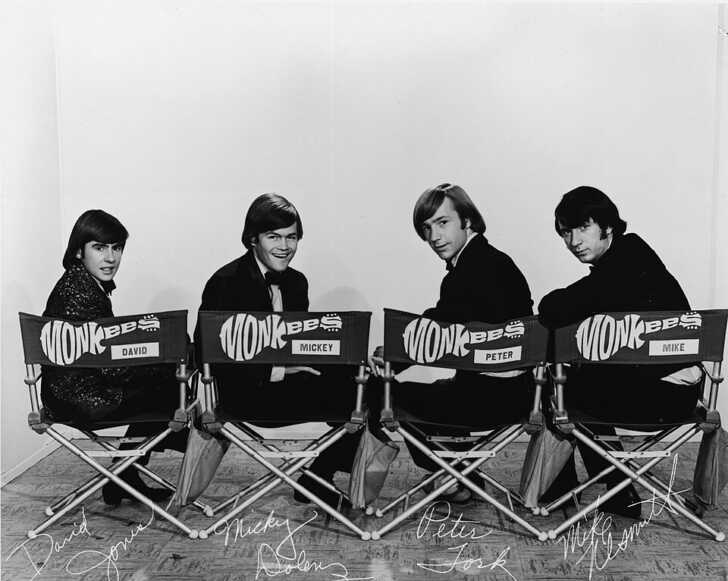

The after-story carries the bittersweet notes that come with any long-running act. Davy Jones’ bright tenor left us in 2012; Peter Tork’s easy warmth in 2019; and Michael Nesmith’s steady, thoughtful presence in 2021. Micky Dolenz, ever the rhythmic engine, has kept the flame alive onstage, marking anniversaries and tipping a hat to the old imaginary beach house, where so many of these memories were born.
The Monkees began as a joke with a beat, then slipped the joke and kept the beat. They were actors learning to be a band, and a band learning to live with a myth. Maybe that’s why the story still resonates. At the time, the 1960s were bursting with new rules for music, TV, and youth culture. The Monkees simply proved another: sometimes the counterfeit sparks the real thing.
For anyone who ever raced to the TV when the theme kicked in, the memory is tactile: the bang of the drum, the opening gallop, the feeling that something fun was about to happen. Looking back, it did. A made-up band turned out to be real enough to last—on vinyl, on reruns, and in the little jukebox we all carry around in our heads.
More to Explore
SKM: below-content placeholderWhizzco for DOT