
When the Reels Ruled the Living Room
Before playlists and voice assistants, the soft hiss of tape and the steady whirl of two spoked reels announced something special: sound, captured on your own terms.

Picture a Saturday night in 1967: a walnut console glows, VU meters wink to life, and someone at the coffee table carefully threads a ribbon of brown tape across polished heads. A finger hovers over Record. “Ready?” The room hushes as Dad’s new Sony is about to turn birthday laughter, a favorite 45, or a living‑room sing‑along into a keepsake. Home audio didn’t just play in those years; it performed.
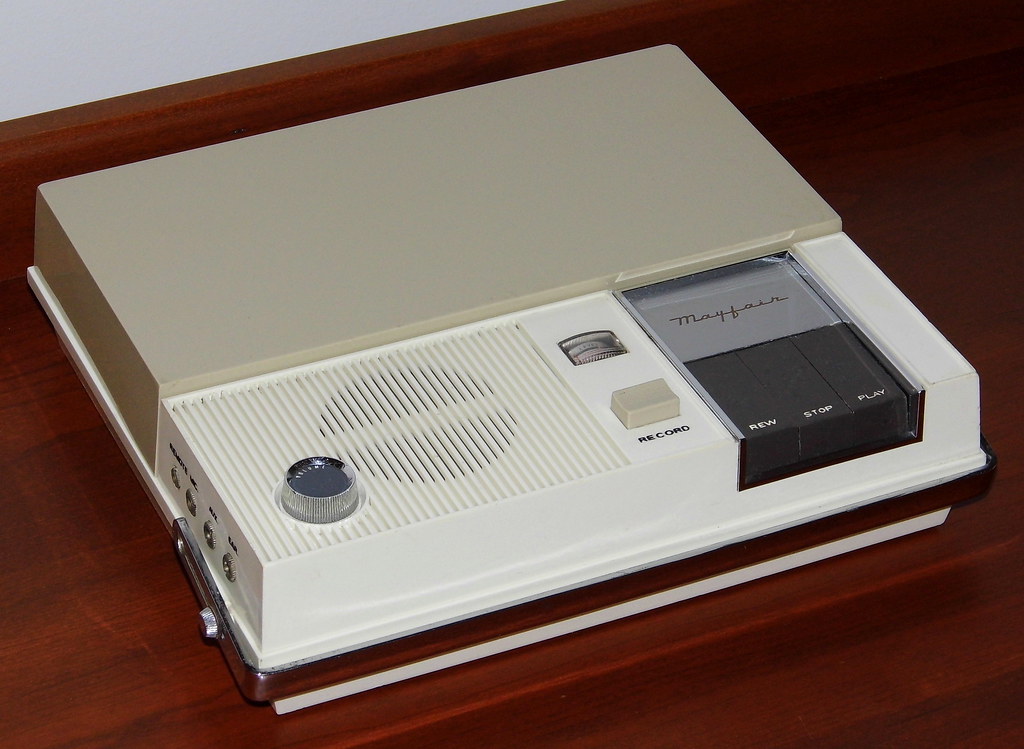
Threading Memory: Bringing the Studio Home
At the time, part of the thrill was simply the ritual. Threading the leader, tensioning the reels, watching that steady take‑up made each step in listening a craft. The roots of that craft ran deep. Magnetic sound had been chased since the late 19th century, and by the 1930s, German engineers perfected plastic tape on reels with their Magnetophon machines. After the war, those ideas crossed the Atlantic and after refinement found their way into broadcast studios and, soon enough, everyday homes.
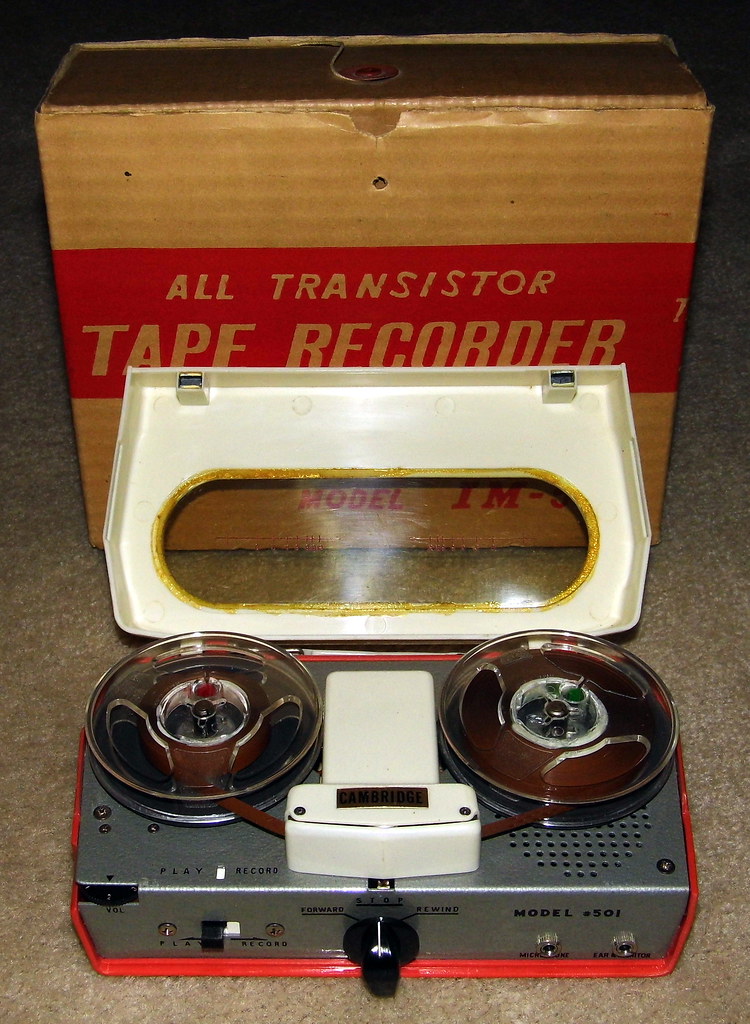
By the 1950s, compact consumer recorders had become living‑room companions. Families recorded first words and holiday toasts; students practiced speeches; teenagers captured radio hits before dinner; teachers wheeled clacking portables into classrooms. Ads promised ease; push‑button transport, self‑threading hubs, even battery power for backyard parties.
The machines themselves felt like furniture: brushed‑aluminum faces, toggle switches you could actually feel, cabinets that matched the stereo console and the coffee table alike. For many, a tape deck became the centerpiece of a serious setup. They were part conversation piece, sound laboratory, and status symbol because, aesthetically and sonically, reel‑to‑reel symbolized sophistication in the home.
The Star Who Pressed Record


Looking back, the pivotal push into everyday life began with a star who was weary of doing things the hard way. Bing Crosby bought the first Ampex Model 200 and ordered nineteen more so he could pre‑record his radio show. There would be no more hurried live broadcasts, no more clumsy disc edits. His enthusiasm helped turn tape from curiosity into standard practice across radio and recording studios.
Crosby’s support wasn’t just symbolic. He put real money behind the method, famously making a $50,000 stake that accelerated development and brought better machines to market. The ripple effect was enormous. Les Paul soon adapted tape to new tricks and pushed multitrack ideas that changed how records were made, a leap often traced through the story of Les Paul working with early Ampex decks.
With broadcast studios on board, the home followed. Mid‑century makers – RCA, Wollensak, General Electric, Sony, and others – pitched recorders not as gadgets, but as modern living: reel up the school play, the church choir, the jazz LP you borrow from a friend. Tape meant editing. Snipping out long silences with a razor blade, splicing together your own “album” with a length of leader and a bit of patience. Was it technical? A little. Was it empowering? A lot.
From Peak to Pause, and a Gentle Return
In the early 1960s, a newcomer slipped into pockets and glove compartments: the compact cassette. It couldn’t match reel‑to‑reel at first for fidelity, but loading it took seconds and anyone could do it. By the 1970s, better tape formulations and decks closed much of the quality gap, and pre‑recorded open‑reel albums quietly faded from store shelves. The living‑room reels slowed, and the hiss many had learned to love grew quieter.
In studios, though, the big machines hung on. Multitrack recorders remained the canvas for rock, soul, and country’s great runs. Even many early albums we treasure today were tracked and mastered on professional tape machines, the format’s warmth baked into their DNA. At home, some enthusiasts kept their decks spinning, drawn to the clarity, the headroom, and the tactile calm of watching those reels do their work.
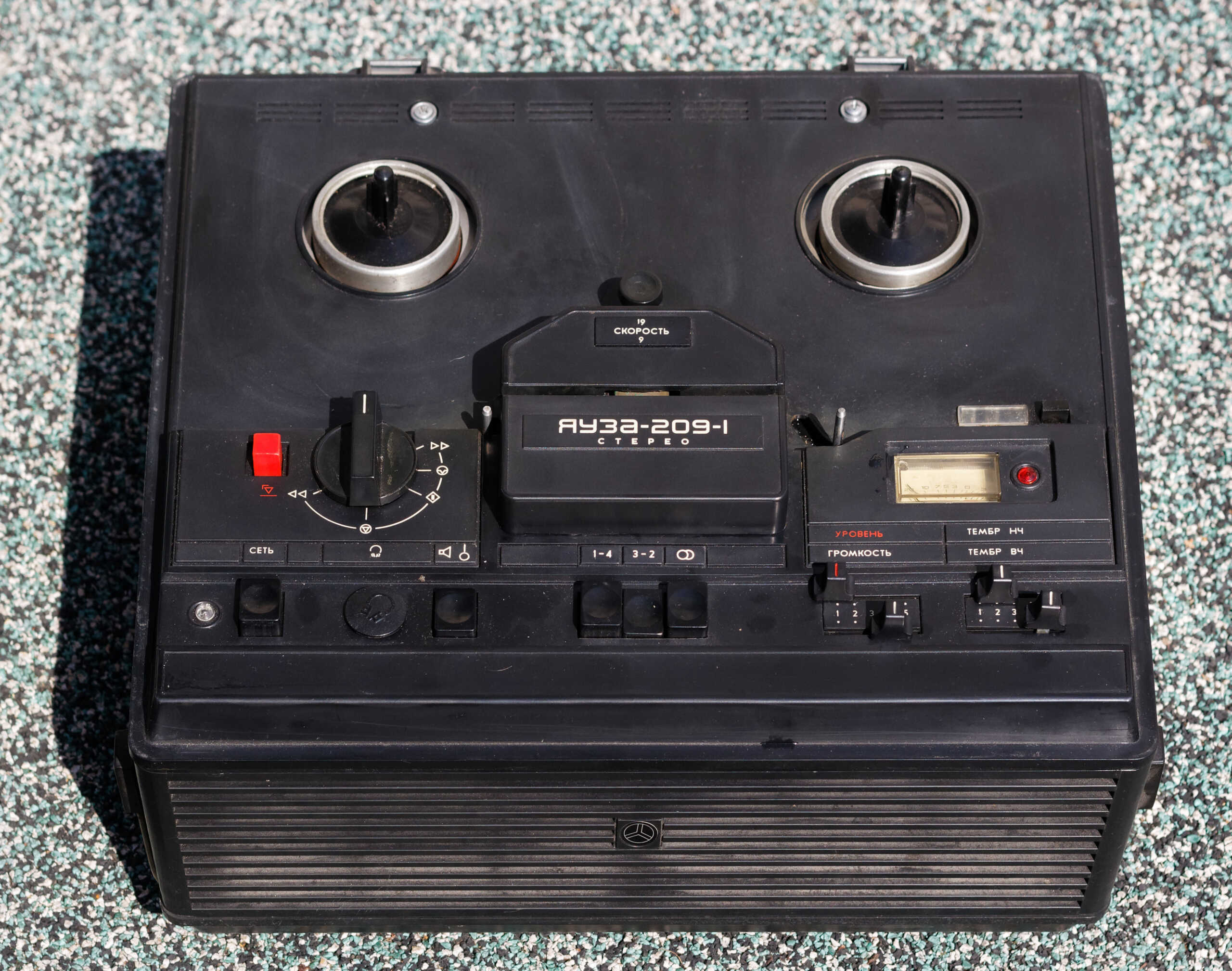
Is Analog Back?
Today, a curious thing is happening. In an age of instant streams and smart speakers, the patient pleasures of analog are back in the conversation. Among audiophiles and collectors, reel‑to‑reel is enjoying a remarkable resurgence, more as a love letter to the process than a mass‑market comeback. Specialty makers still produce tape; restorers coax life from old decks; and a few boutique labels even issue fresh reels for those who want to hear familiar music through a familiar whisper of hiss.
Maybe that’s the lasting magic. Reel‑to‑reel asked listeners to be present. You chose the tape speed. You set the levels. You threaded the story. Family moments landed on brown ribbon; mix‑and‑match “albums” took shape on the dining room table; a child’s voice or a grandparent’s laugh became magnetic memory. If the screen got smarter, the reels were already wise to something we’re rediscovering now: sometimes the best way to hear a song is to press record, watch the wheels turn, and give it time.
More to Explore
SKM: below-content placeholderWhizzco for DOT