
Circle It Twice: The Toys 1980s Kids Dreamed of All December Long
Flipping pages, circling in blue pen, and bargaining with the universe – this is how wishing worked in the 1980s.

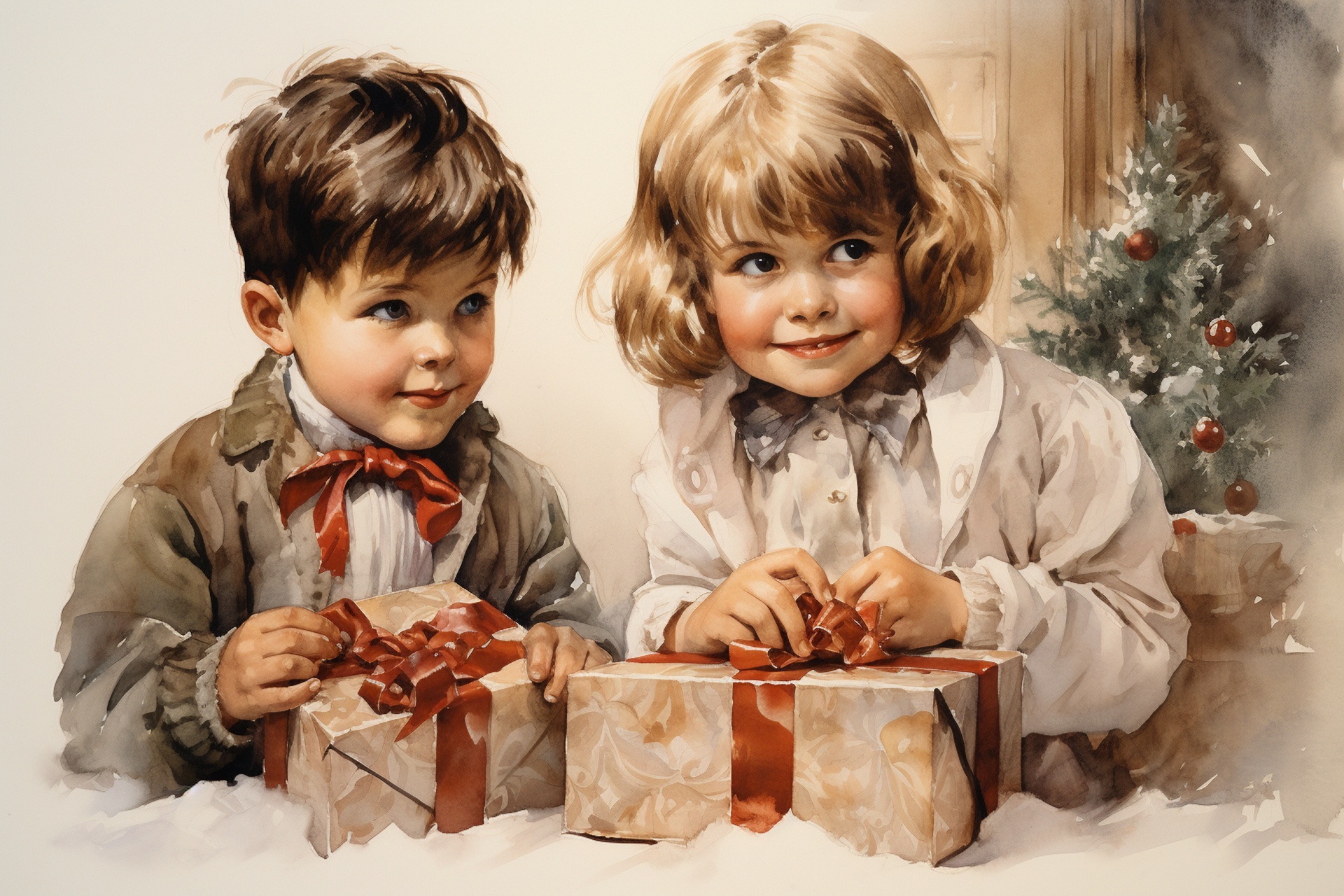
In 1984, a night often began with the heavy thud of a glossy catalog hitting the kitchen table. For kids, every page had to have a toy on it. The event started with someone grabbing a pen. Then, another kid reached for the corner to dog-ear a page before anyone else could. The pages were flipping and the ritual had begun – big loops were placed around the dream items, tidy checkmarks were drawn next to the “maybe” toys, and then there was the careful starred list that kids longed would make it under the Christmas tree. For kids of the Reagan years, the toy book wasn’t just mail; it was a map of December hopes.
The Ritual of the Toy Book
At the time, catalogs weren’t merely advertisements; they were conversation starters and future planning. You flipped from the doll aisle to the action-figure spread and back again, arguing with siblings, setting priorities, and compiling sales pitches for parents. One year felt especially big for toys: 1986. Instead of a single Cabbage Patch–style stampede, that season spread its magic across a field of contenders. There were G.I. Joe squads with their tactical vehicles, Barbie and the Rockers glamming it up, Tonka’s endlessly cuddly Pound Puppies, and a new kind of celebrity in plush form: a talking bear named Teddy Ruxpin. Even if you weren’t getting all of it (few did), dreaming in catalogs made all these unique toys feel within reach.
Some toys invited a ceremony that felt grown-up. Pound Puppies came with an adoption certificate, sticker set, and name tag, as if you were taking responsibility for a floppy-eared friend. That small piece of paper, slid into a back pocket, could carry as much weight as any battery-powered feature.
Creating a Tiny Universe
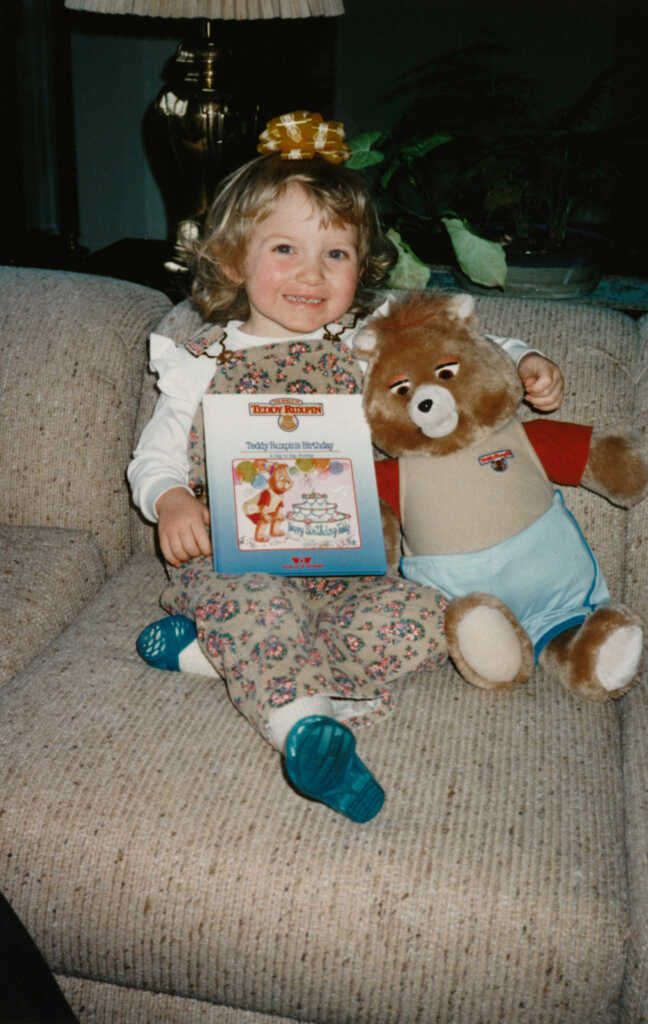
Storytelling toys dominated the decade, whether your universe came in six-inch plastic or in pink and neon. Barbie went on tour with the Rockers, while Jem and the Holograms rolled up with stages, lights, and a full backstory. Care Bears, who famously began as greeting cards, asked kids to choose a personality — Grumpy, Tenderheart, Cheer — before the box was even opened. Over in a galaxy far, far away, the wish lists hoarded starships and droids as if the Rebellion needed recruits in every cul-de-sac.
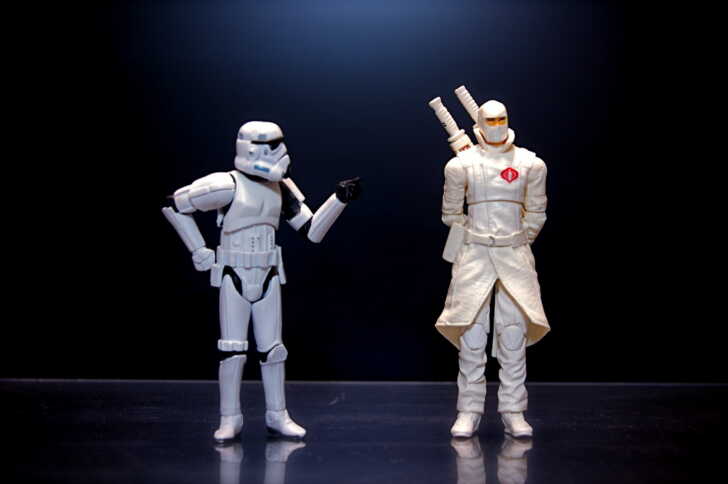
Action figures built empires one birthday at a time. Transformers didn’t just park on a shelf; they snapped and folded into something else entirely, a magic trick you could perform again and again. G.I. Joe’s vehicles (sometimes as big as a coffee table) created instant terrain for Saturday-afternoon campaigns. And for the detail-obsessed, miniature worlds arrived that could fit in your pocket or squeeze onto a single windowsill. Micro Machines crammed garages of fun into tiny cases, and by the decade’s end, compact sets like Polly Pocket made every bus ride feel like a secret playdate waiting to unfold.
When Toys Started Talking Back
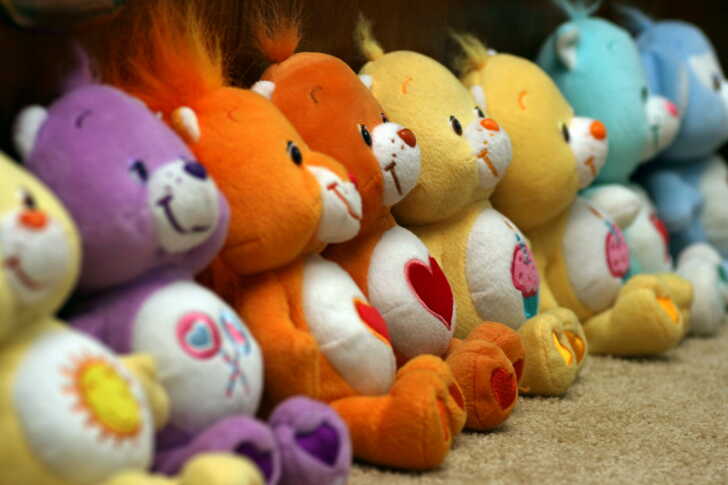
The mid-’80s brought a turning point in kid’s home entertainment: toys that beeped, blinked, and answered back. Teddy Ruxpin moved his mouth and told bedtime stories from a cassette tucked neatly into his back. Lazer Tag turned the backyard into a sci‑fi set, with hit sensors that confirmed what your imagination already knew – you were as fast as you felt. And suddenly, the family VCR wasn’t just for taping movies off TV; sports board games cued real NFL, NBA, and NHL footage to decide your next move.
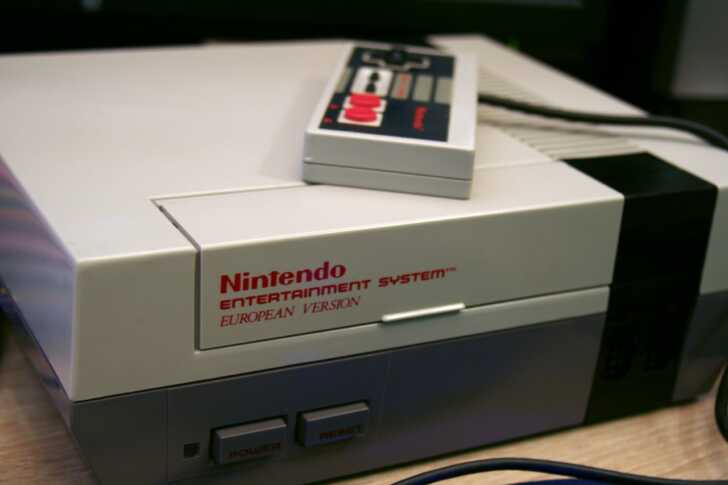
Then came the gleam of living-room pixels. One minute the catalog showed a slot-car track or a Lionel set doing loops around a cardboard tree; the next minute it revealed a new kind of wish entirely: the Nintendo Entertainment System, sharing space with the Sega Master System. There was a different kind of anticipation in those listings – the promise that your winter break could stretch into high-score chases and side-scrolling adventures. Plenty of kids still circled train sets, science kits, and remote-control cars, but electronics were anchoring the page now. As the decade progressed, both parents and children could feel the aisles shifting.
Even low-tech favorites got a modern glow-up with classic sketch screens now animated, play microphones turned a bedroom into a stage. And somewhere in the mix: those newfangled radio-controlled racers styled after real cars, proof that fantasy and authenticity could share a shelf.
Learning To Wheel and Deal
Of course, not every circled dream was unwrapped. Budgets, scavenger-hunt stockouts, and parental reality checks meant many of us learned to negotiate: “If the shuttle’s too much, maybe just the figure?” Yet the circling was half the magic. It taught the fine art of hoping, the thrill of comparing wish vs. want, and the delight of discovering that an accessory set could be just as transportive as the marquee toy.
Today, wish lists glow on screens, and shipping notifications replace the thump of a catalog on the doorstep. But the feeling lingers – of holding possibility in your hands, of turning pages slower on the sections you loved most, of plotting the case you’d make at dinner. The best toys of the 1980s weren’t just things; they were invitations to build a world, to find your place in a story, and to circle it twice – just to be sure.
More to Explore
SKM: below-content placeholderWhizzco for DOT