
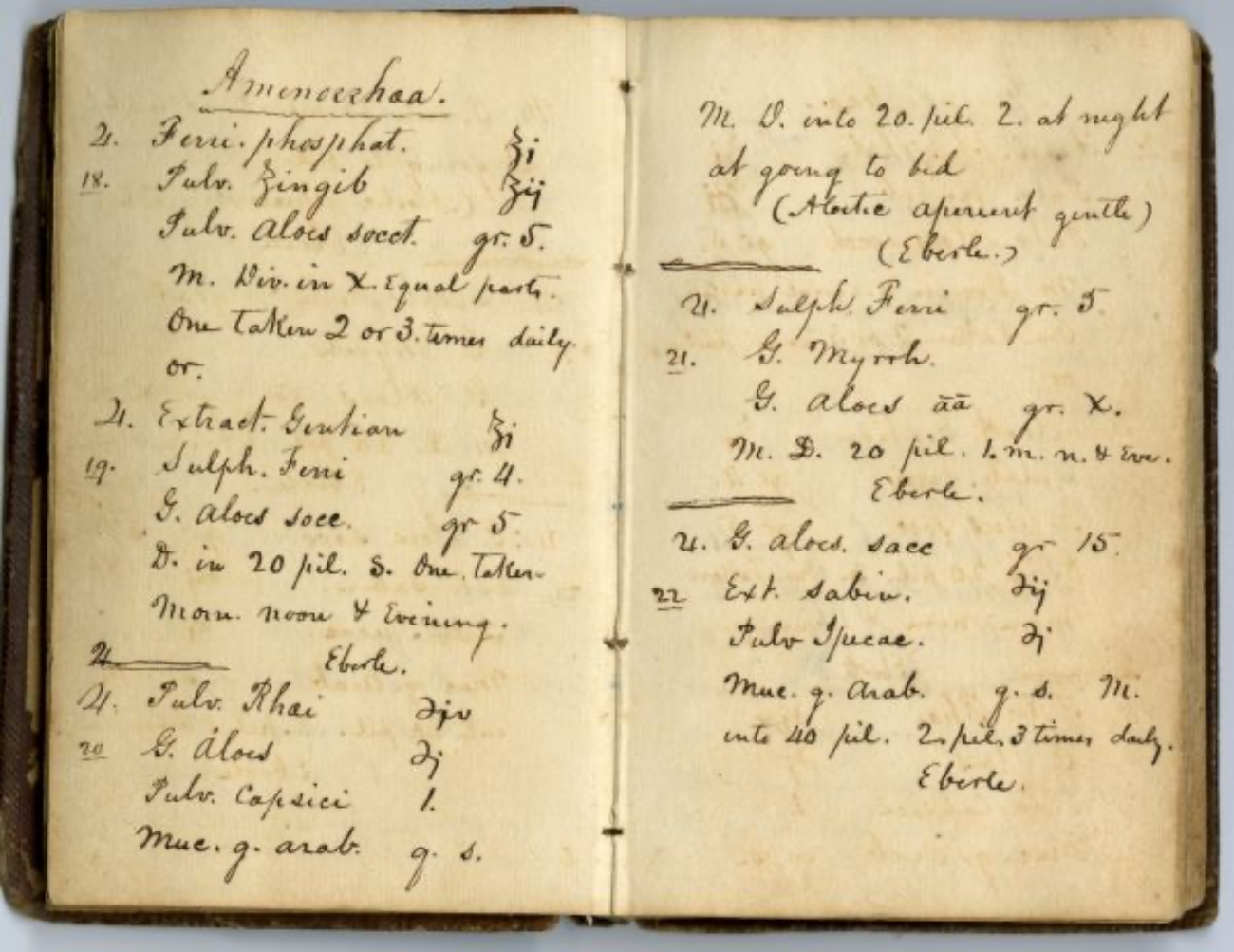
Today we can pick up our medicines from the pharmacy without even handling a prescription thanks to electronic processing of medications. But, back in the old days doctors would have to write out instructions for how to make home remedies. Then the patient’s family would have to make and administer the potion or poultice and hope it worked. These early scripts would turn into the common recipe cards we know today.
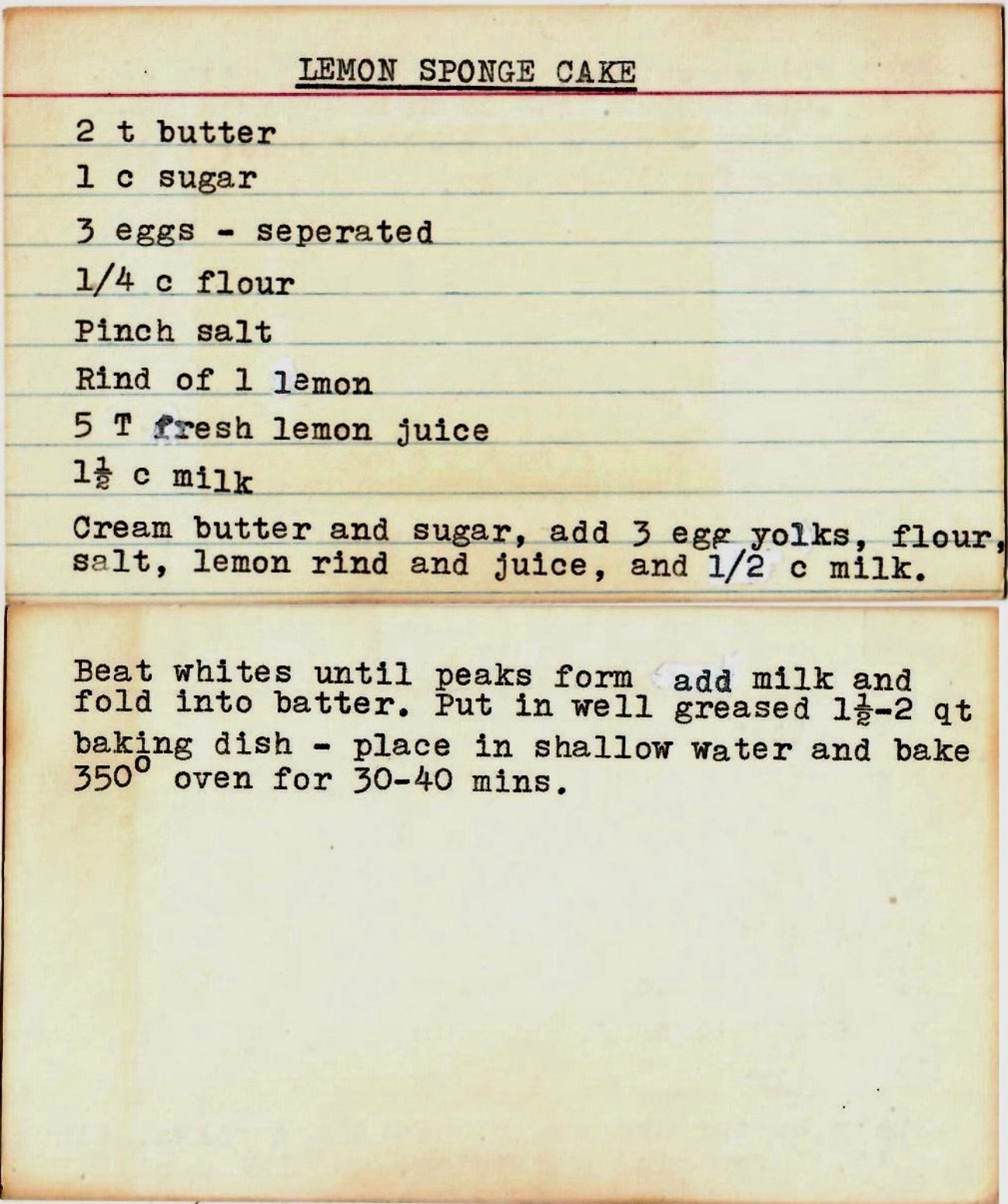
In past generations recipes as we know them weren’t really used that often. Most cooks had the ratios of ingredients memorized or did their cooking by taste and feel. You know how you can tell immediately if a cake batter is too thick? That’s the type of cooking and baking many people did back then. A little too dry? Add more liquid and so on. Many people learned to cook by watching relatives and receiving verbal instruction from them, no written recipes needed.
The first written recipes date to 1700 BC in Mesopotamia, but the first cookbooks as we know them started being printed in the 15th century in Europe. However, even by the late 1800s cookbooks sometimes gave vague instructions, a throwback to the earlier learning methods that assumed the cook had already gained some experience in the kitchen.
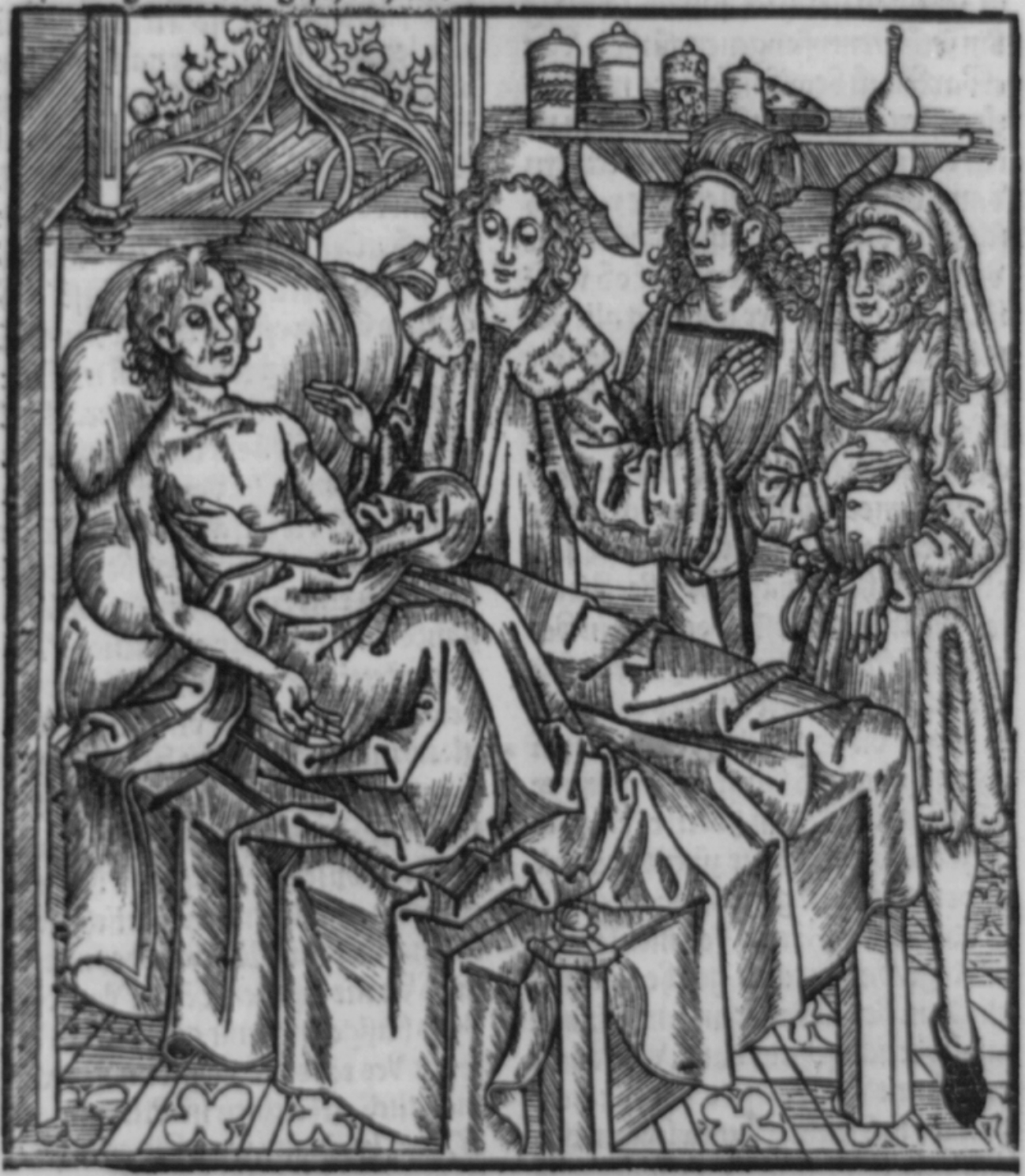
Receipts however, were something the doctor gave you. These had to be written out because they didn’t include strictly food ingredients and could be harmful if used incorrectly. Some of the components of a remedy might be new to the person making it so a written guide was imperative.
Dosing and application could be included in the receipt as well.
The receipt showed that the doctor gave you something and we still use it in that context today. Although our receipts show that a commercial or otherwise public transaction has taken place.
According to Merriam-Webster both receipt and recipe come from the Latin word recipere, which means “to receive”.
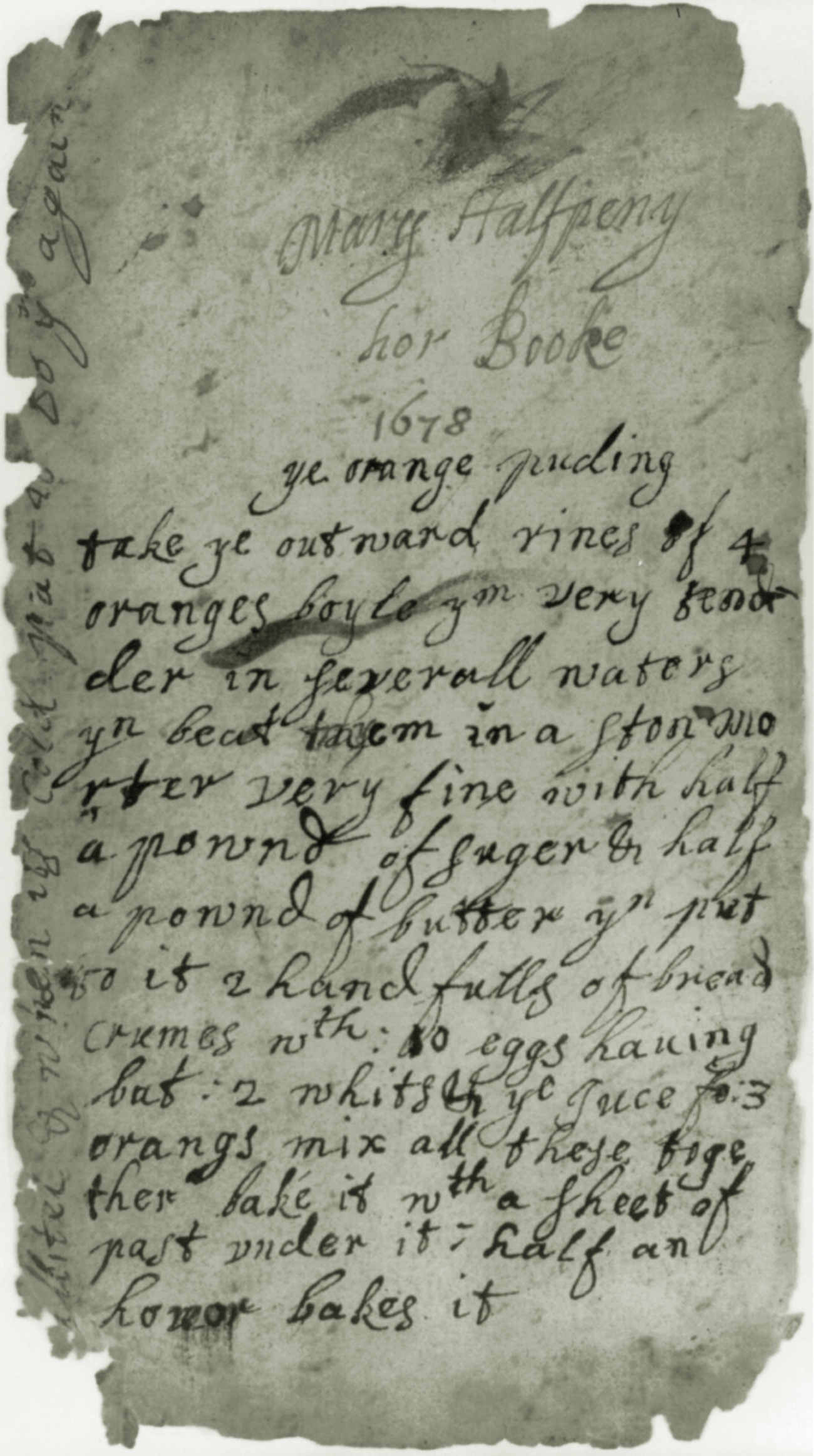
It seems that up until around the American Civil War the word “receipts” was usually used for cooking, but in the years following the war recipe books sometimes used either term. Today, most people use the term “recipe” for cooking to mean both the list of ingredients and the directions that go with it.
As with many words the usage didn’t fall out of favor right away. Many of us will remember our grandparents speaking about “receipts” for cakes or cookies. Or perhaps you may even have an old recipe card that uses the more antiquated term.
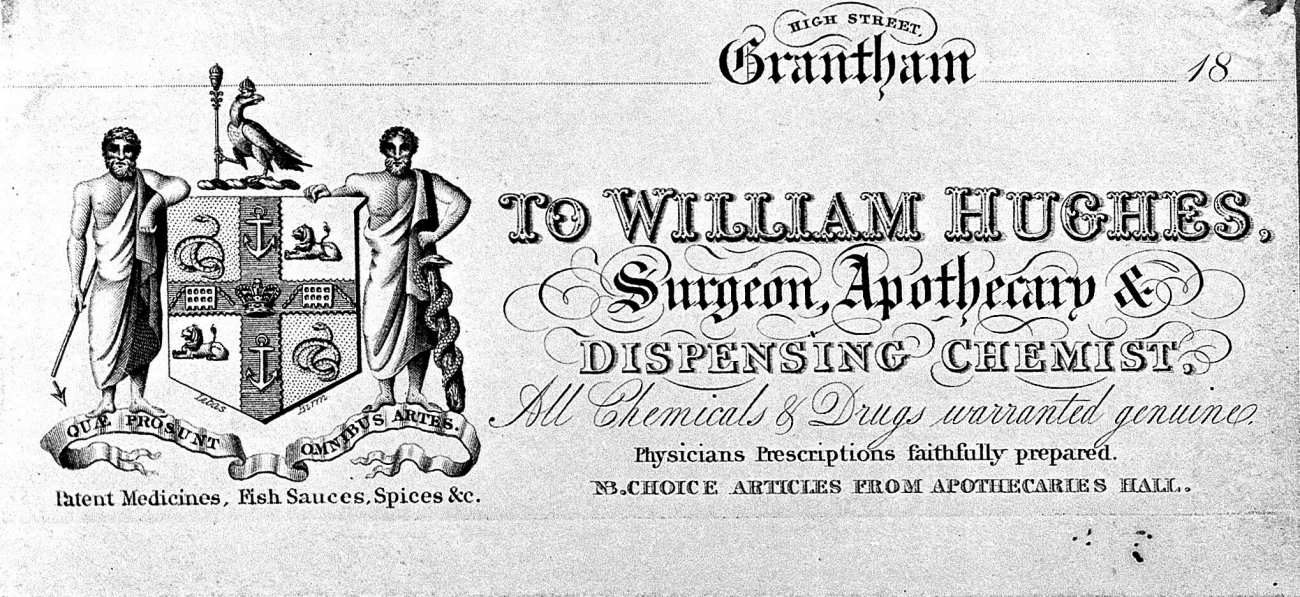
But, how did receipt become Rx? When doctors were writing their receipts they sometimes abbreviated the word “receipt” to a capital R with an X through the “leg” of the R, thus making it instantly recognizable as medicinal recipe. It’s where we get the Rx symbol still in use. Today we use this symbol for prescriptions and pharmacies since few people are mixing up medicines at home these days.
More to Explore
SKM: below-content placeholderWhizzco for DOT