
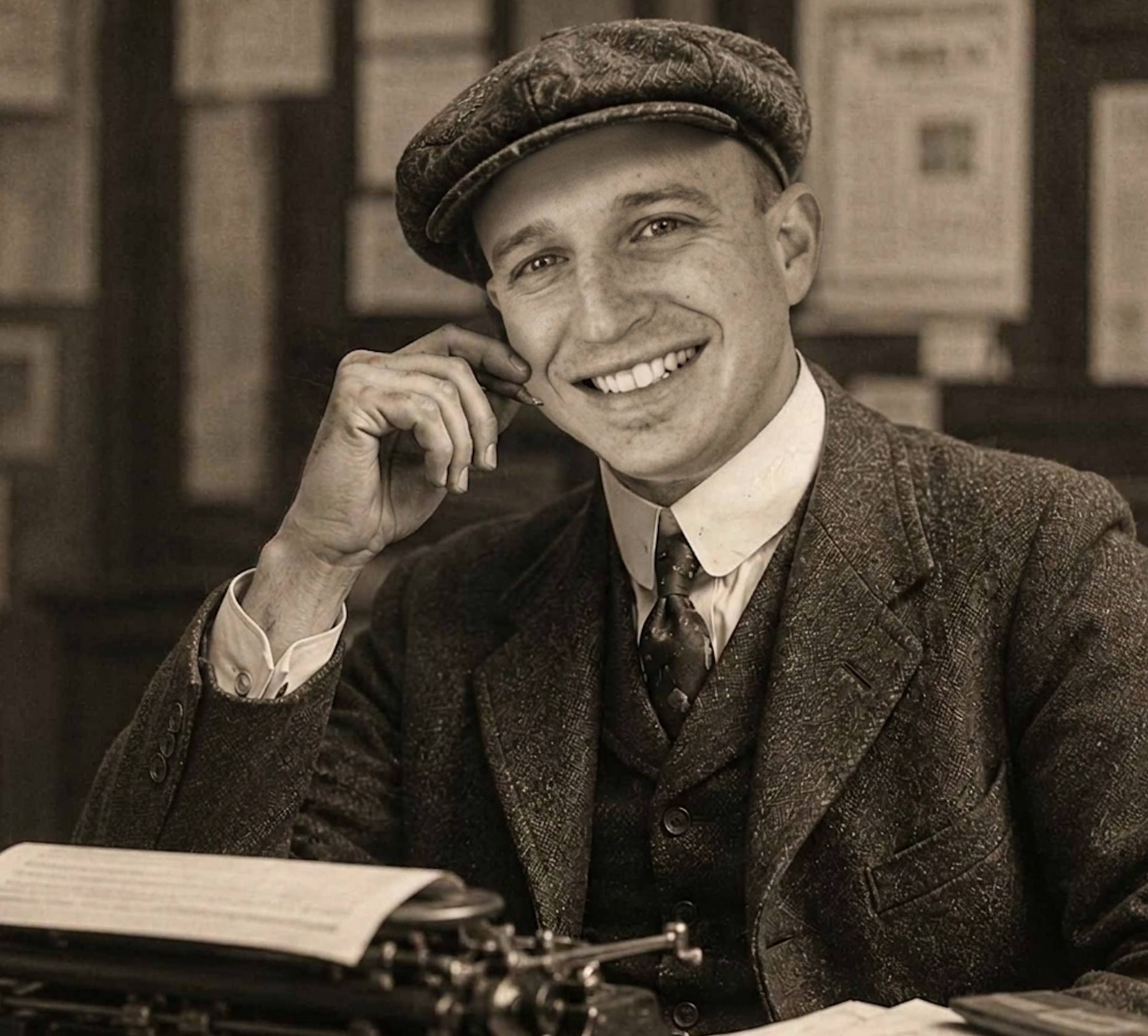
On a Friday night in the 1970s, the television glowed with a familiar, unhurried rhythm: a ringing phone, a wry answering machine message, and a private eye who would rather talk his way out of a jam than throw a punch. Jim Rockford always seemed two steps ahead and half a smile away. Wrapped inside that ease was James Garner, the rare star who felt less like a distant celebrity and more like the kind neighbor who’d help you jump your car.
At the time, television was brimming with tough-talking cowboys and hardboiled detectives. Garner carried a different kind of authority. He wasn’t loud nor flashy; he was steady. Audiences trusted him because he never strained for attention. He just was, and that was enough.
From Norman to a New Kind of Cowboy
James Scott Bumgarner was born in Norman, Oklahoma, in 1928. He had a busy early life filled with numerous jobs. Then he enlisted young, serving in the Army during the Korean War—where he was wounded twice. After he returned home, acting arrived almost by accident, a door cracked open by small roles and a growing sense that he could make a living by simply being honest on screen.
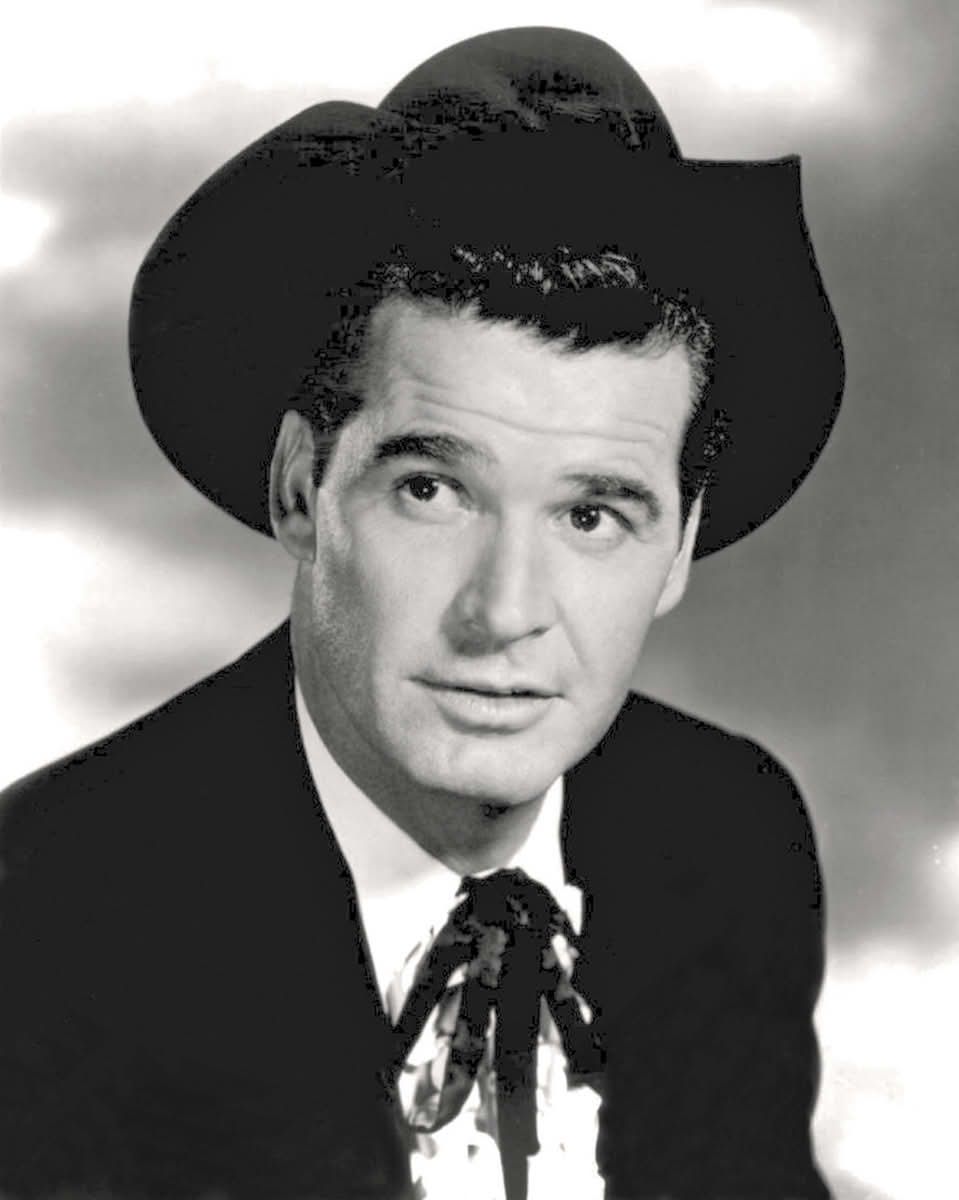

His breakthrough role came in 1957 as Bret Maverick, a professional gambler who didn’t fit the stoic gunslinger mold. Maverick was sly and self-aware, and Garner’s dry delivery reshaped the TV Western from the inside, making room for wit without sacrificing grit. A dispute with his studio a few years later where he challenged their suspension of pay during a production hiatus hinted at a business savvy beneath the easy grin. Not only was he beginning his stardom; he was revealing himself to be someone who was brave both on and off the screen. Even early on in his career, he nudged television’s power dynamics a little closer to fair.
After Maverick, Garner crossed easily into film, embracing comedies, dramas, and high-adventure. Regardless of the genre, Garner’s goodness shone through. Whether running from the stalag in a POW camp drama or keeping pace with grand prix cars, he favored understatement that let the story, and the people in it, breathe.
Film Stardom, Soft-Pedaled
In the 1960s, Garner hit a sweet spot in his career. He was handsome enough to anchor a romance, grounded enough to make it believable, and quick enough to land a joke without stepping on it. He sparred charmingly with Doris Day, plotted escapes in war epics, and tapped into a deeper current with the literate D‑Day satire The Americanization of Emily — a film that remained his favorite throughout his life.
Garner’s return to weekly television in 1974 completed the circle. Jim Rockford, living in a beach trailer and bickering affectionately with his dad, was an ex-con who took low-rent cases and preferred to avoid violence. That bent-kneed humility — the sense that this guy was just trying to do right by people, even as trouble found him — won him an Emmy and generations of admirers. Rockford felt like Bret Maverick’s older cousin. He had the same quick wit with more miles on the odometer.
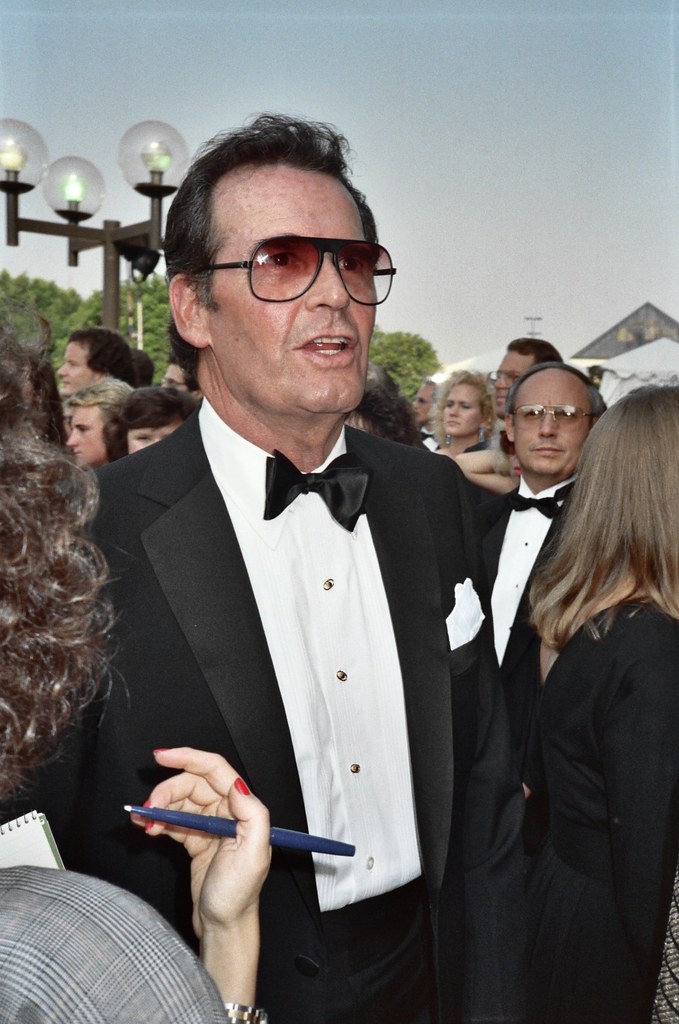
By the mid-1980s, he had the kind of longevity his peers admired, the sort built on reliability rather than reinvention. An Academy Award nomination for Murphy’s Romance underscored what audiences already knew: Garner could do the quieter thing and still make it sing, even after so many years in Hollywood. He listened on screen. He let the other person finish. And in those smaller choices — a glance held a beat longer, a shrug instead of a shout — the work felt true.
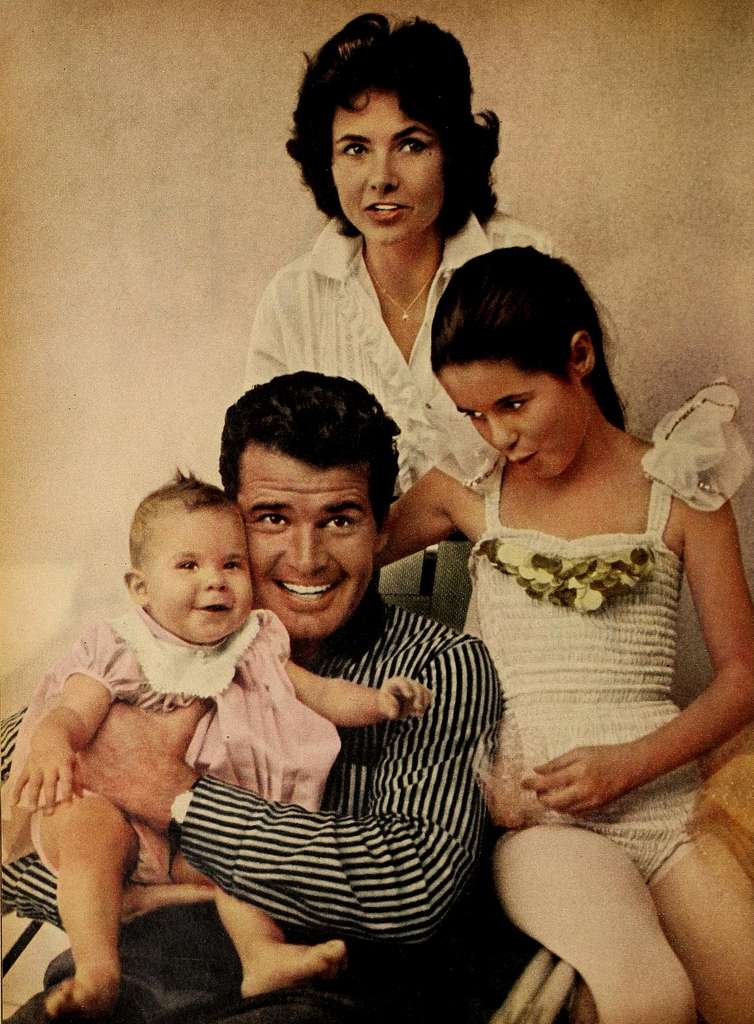
There was a steadiness offscreen, too. He had a whirlwind romance with Lois Clarke that turned into a nearly 58‑year marriage, and a reputation as a colleague who came prepared, treated crews with respect, and used his own production banner when it made sense to protect the work. Later, his memoir, The Garner Files, captured that same conversational wisdom fans had come to expect.
Rockford, Reimagined Heroes, and the Neighbor Next Door
Part of Garner’s staying power was his refusal to grandstand. The charm was local, not lofty. Viewers often said he seemed approachable, even familiar — audiences felt he was a friend or neighbor, precisely because he never looked like he was acting. In an industry that often rewards transformation, Garner’s trick was transparency. He let characters feel like people you might actually meet.
Looking at his career in its entirety, it doubles as a map of postwar American entertainment: the Western turned on its head, the grown‑up studio comedy, the prestige war picture, the shaggier 1970s detective show. Through it all, he kept his balance — the cool uncle at the barbecue, sleeves rolled, ready with a story and a warning about cutting corners.
In a time when everything feels louder, Garner reminds us that calm is not the same as bland, and ease can be hard-won. He played men who took a breath before they spoke, who looked someone in the eye and decided what was fair. He was the neighbor you were happy to run into, on screen or down the block, and the kind of star who never needed to tell you he was one.
More to Explore
SKM: below-content placeholderWhizzco for DOT