
Nothing stays the same forever and this is nowhere more true than with fashion. What’s hot this year might be out the next year. But, across history these trends could be surprisingly outlandish or impractical, defying what we know of dour wisdom and austerity of past generations. Join us as we look back at some of these forgotten misfits: some of history’s strangest clothing fads. They are wilder than you might have thought!
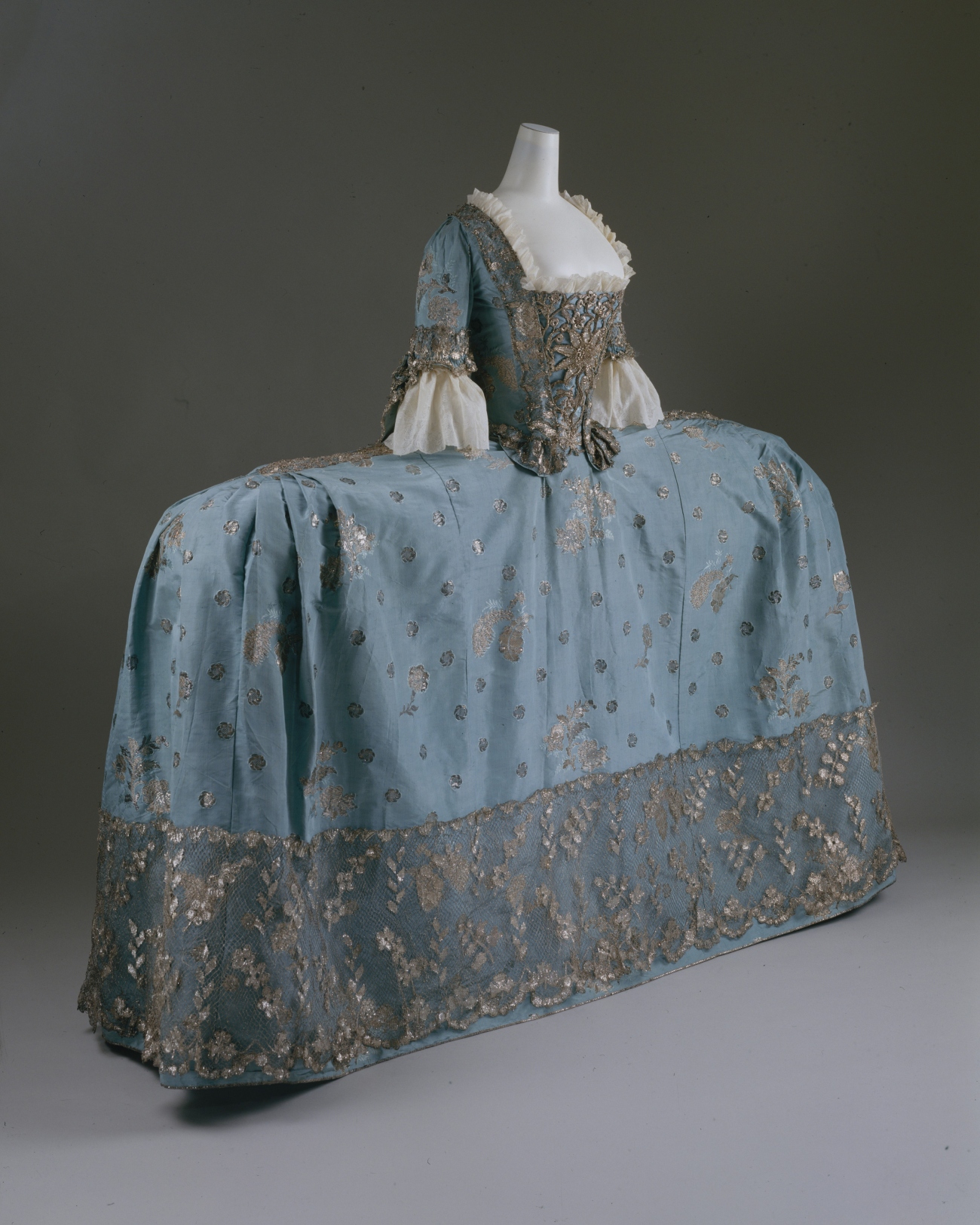
Extra-Wide Panniers
The hoop skirts of the 1800s had nothing on the panniers of the 1700s. These huge cage-like underskirts created the appearance of hips wider than doorways. Imagine a room full of women entering sideways because of their large panniers. Like many clothing fads of the era it showed people that you did not do any manual labor and instead could spend your time wearing highly impractical clothing. Pannier means “basket” in French as the understructure was sometimes made from bend willow reeds.
Pointed Medieval Shoes (Poulaine)
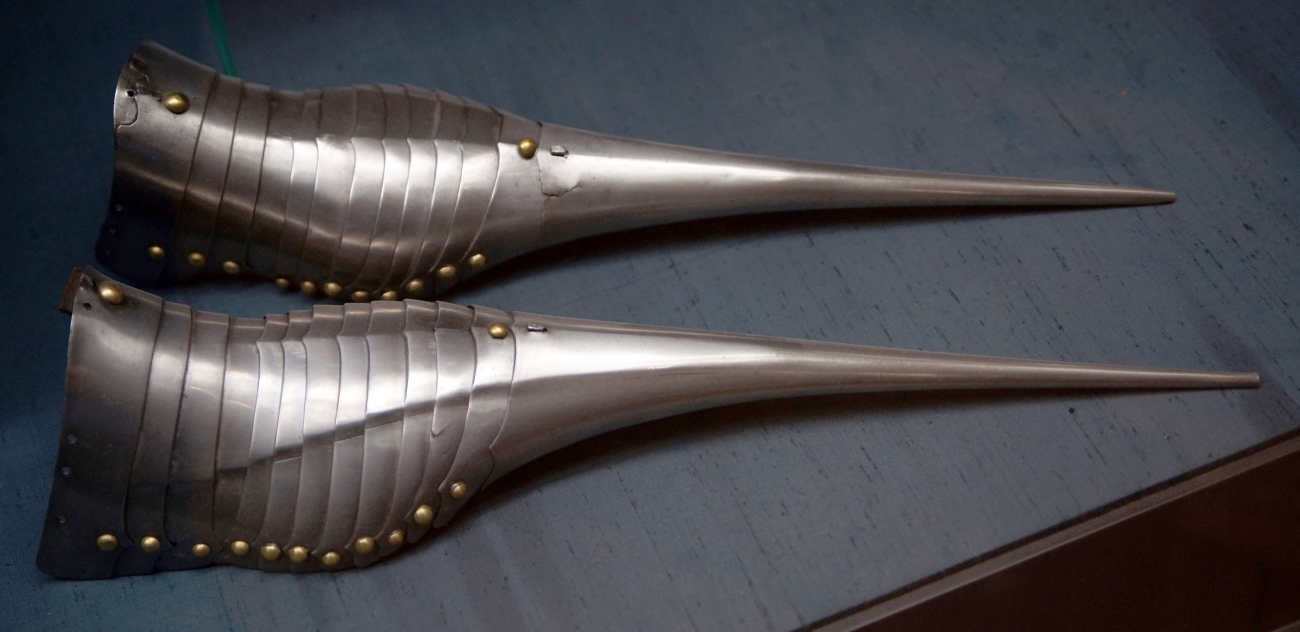
Today sharply pointy shoes are reserved for Santa’s elves, but in the Medieval era these shoes were quite fashionable. Called poulaine, which in French translates to point, they were worn by mainly by young men. Upper class men were permitted to wear longer points according to sumptuary laws, while commoners had to settle for shorter ones. Even knights wore these shoes, as seen in the armored version below. The trend grew and as it did the size of the point increased, too.
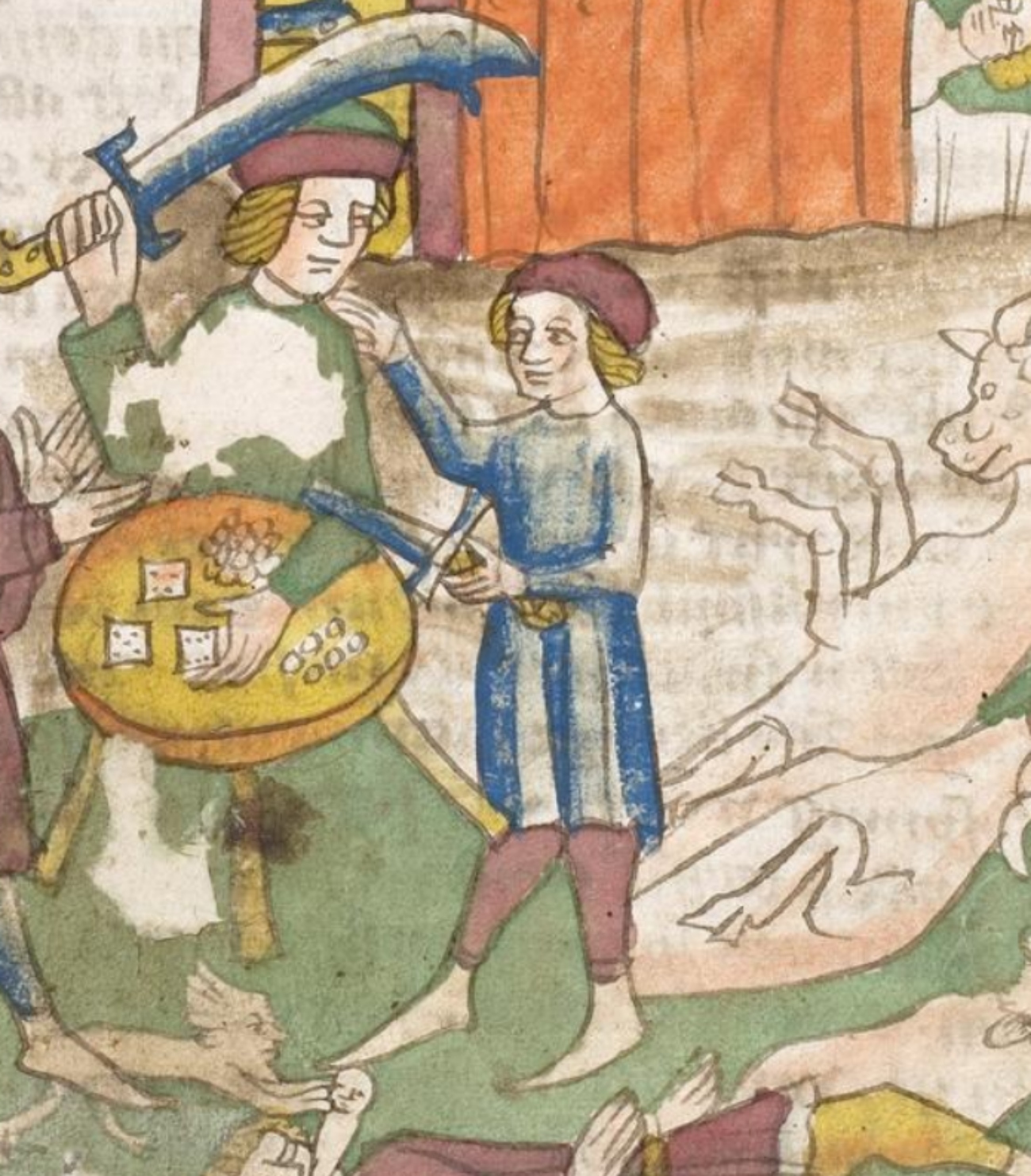
Popular across Europe and the UK, in Worcestershire it was reported that the points were half a yard long, and so floppy that they required chains to keep then affixed to the legs in order to be able to walk without literally falling over one’s own feet…er shoes. Eventually they were banned by the pope for being suggestive and for preventing churchgoers from kneeling to pray.
Duckbill Shoes
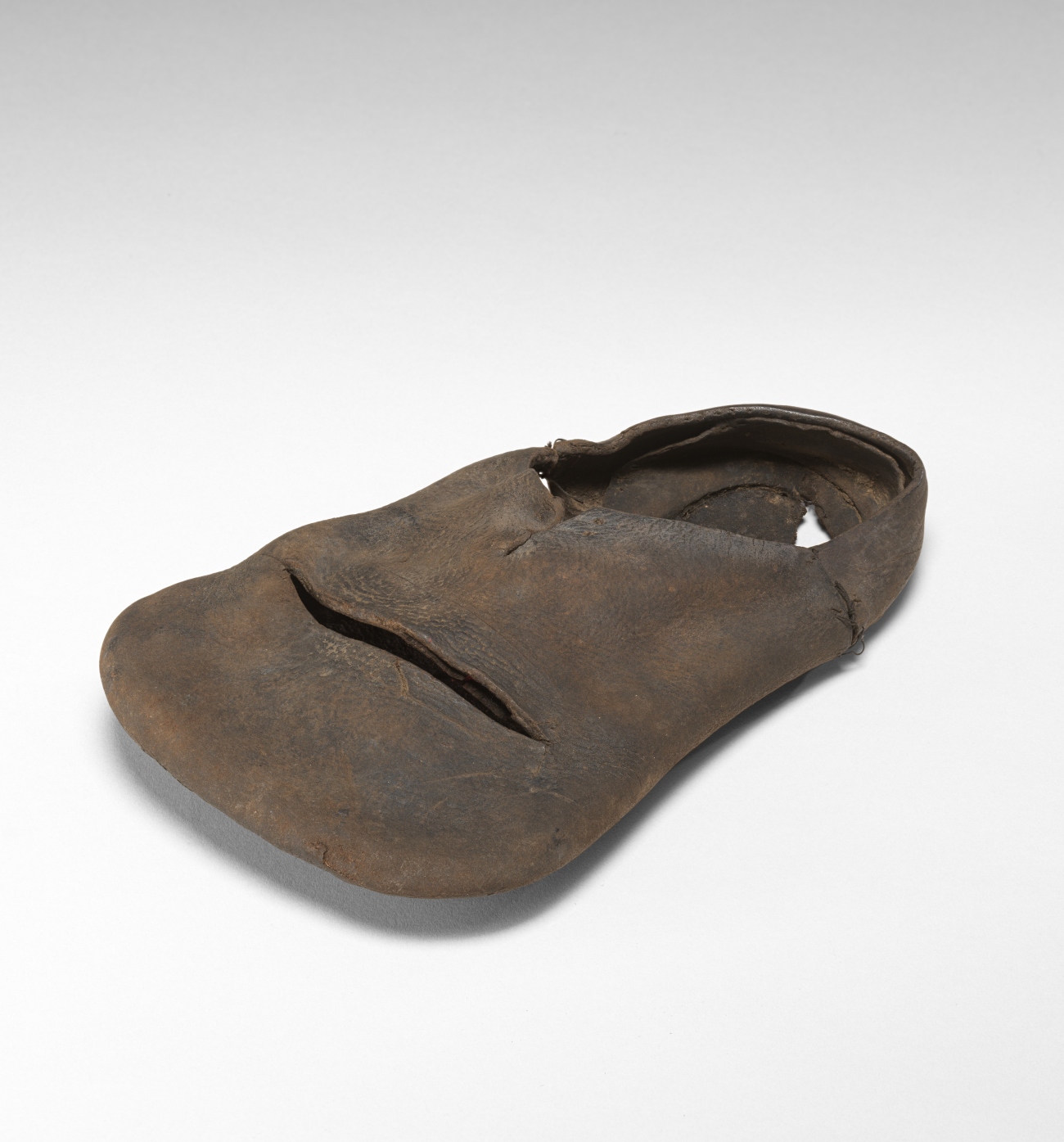
In France and England the duckbill shoe replaced the poulaine. They were, however, equally impractical. These shoes were made of leather usually and were wider at the toes than the other sections of the foot. This style went by many names including cow-s mouth, oxmaw, and hornbill. It was rumored that Charles VIII of France had six toes on each foot, and required extra space in his shoes, launching the trend.
This fad was not long-lived but while it was en vogue the wide, rounded shape was seen on men’s, women’s, and children’s shoes.
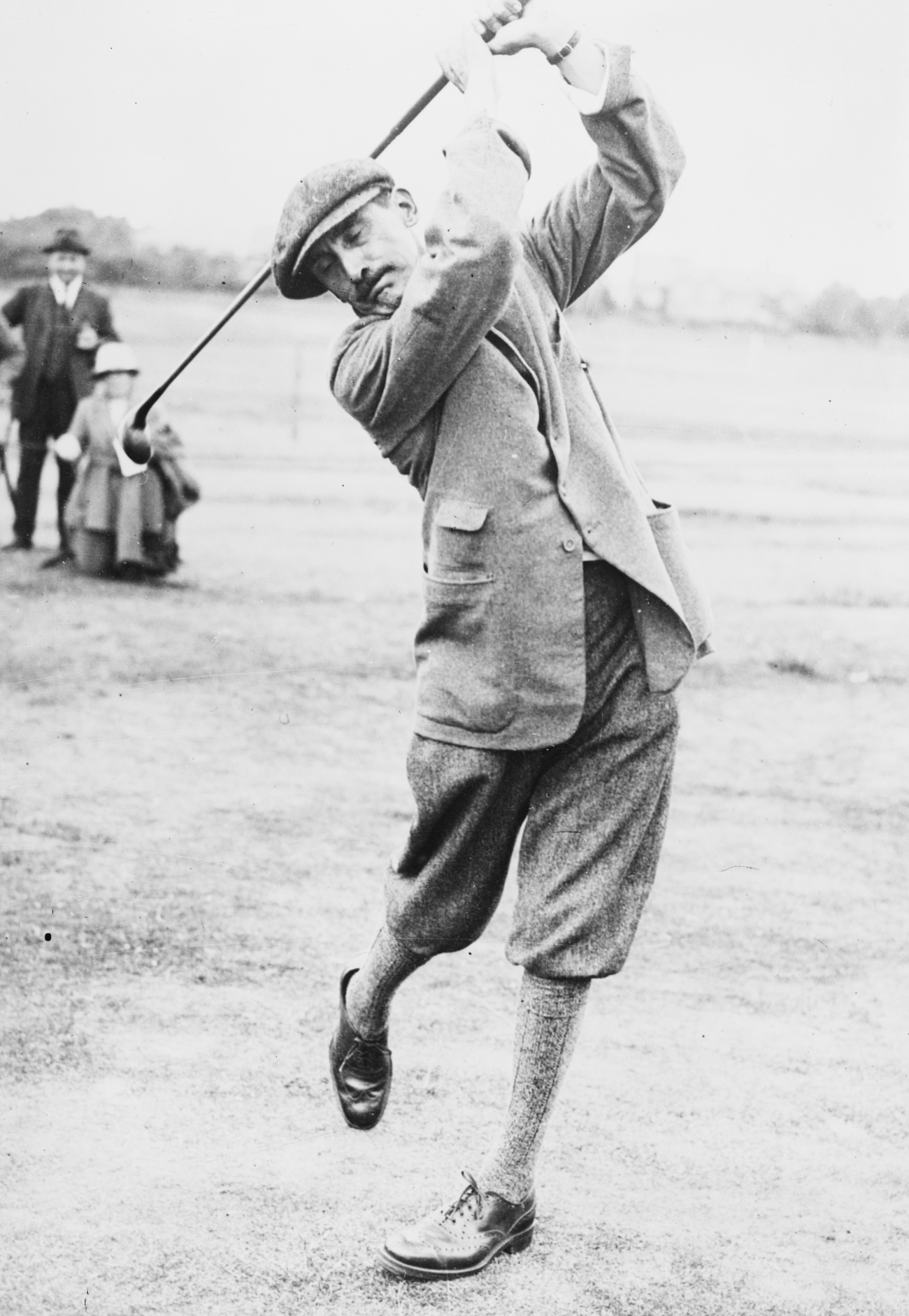
Knickerbockers
These short pants or knickers were popular for men in the late 19th and early 20th centuries for sports. They were usually ballooned at the knee with a cuff just below the knee that gathered that extra fabric in. They were seen as very informal, despite often being made from the finest wool tweed. The style caught on with women who took up cycling, golfing, and other sports. Plus fours used in golf were knickerbocker length plus four inches, which is where the name came from.
Young boys often wore them as their winter pants, graduating to long pants as a right of passage when they reached puberty.
Poke Bonnets
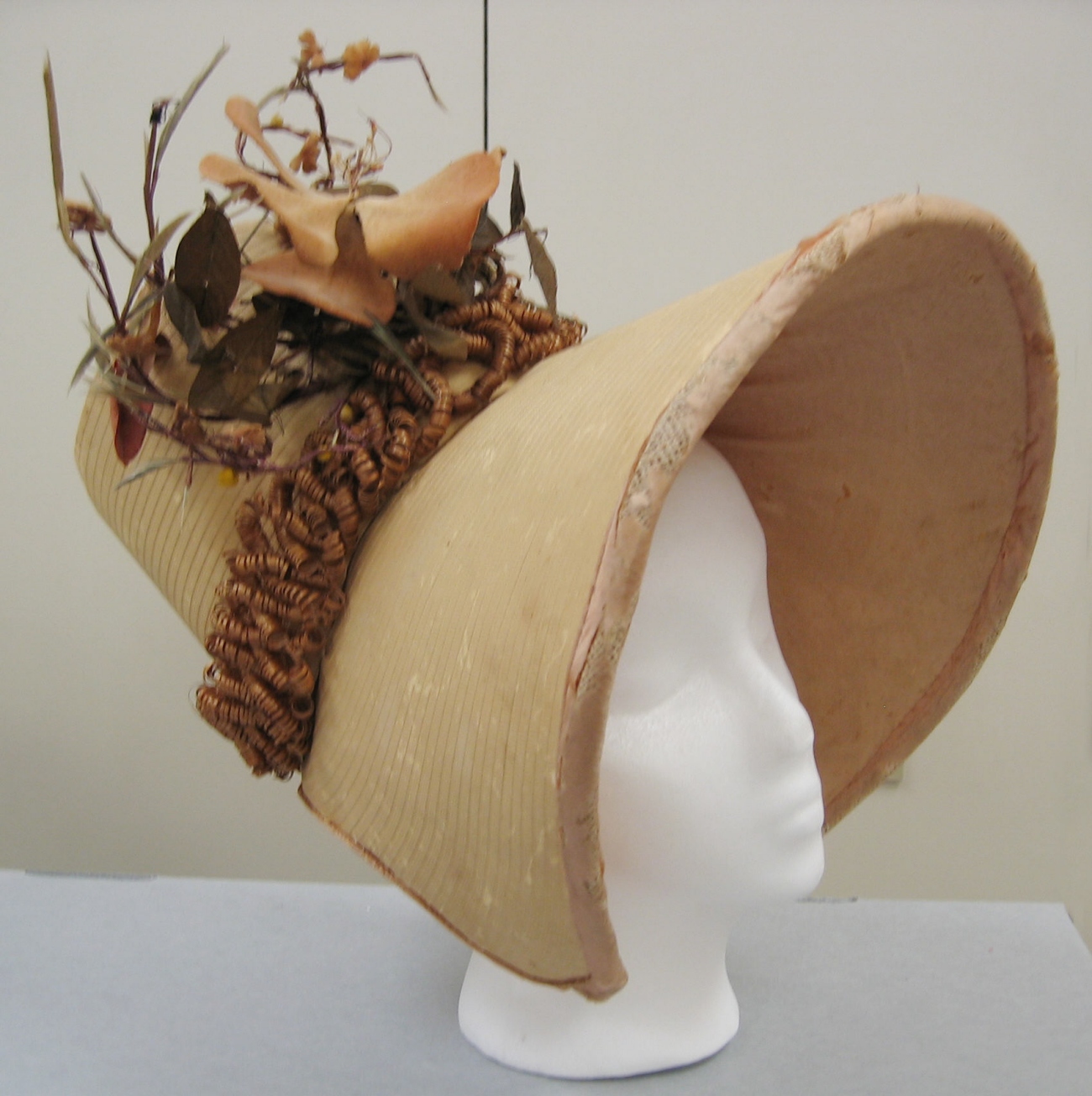
These bonnets were known for their extra wide brims, which covered the peripheral vision of the women who wore them. A satire cartoon from France at the time (1810-1820s) showed them with such depth that a man’s head would have to be inside the bonnet just to talk with the lady wearing it.
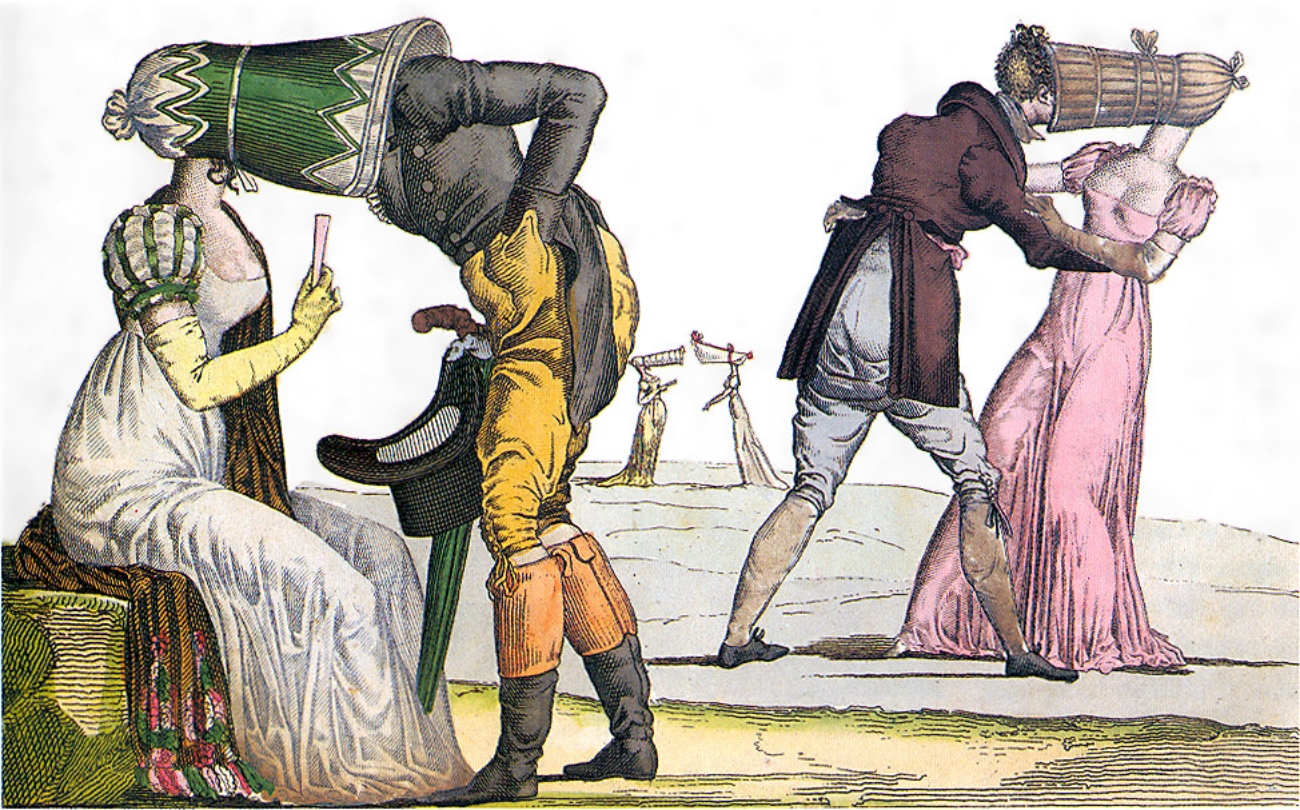
In reality, while the bonnets did limit the field of vision they were no where near as deep as the cartoons made them out to be. But, these bonnets did keep the sun off of women’s faces when they were out and about.
Stovepipe Hats
These extra tall hats were a staple of President Abraham Lincoln’s wardrobe. But, they were in fashion long before the president made them a stately accessory. The early 1800s were a prime period for these hats which could be made in beaver felt, made with the undercoat of beavers, or in other sumptuous materials like silk. The taller the better, as these hats made a statement about wealth and status and the higher they were the more impressive they seemed.
The hat was first worn by John Hetherington in London, causing a commotion over his big hat. This style remained in fashion for the next 100 years, fading only with the bowler and boater hats that followed.
Collars Worn on Ankles
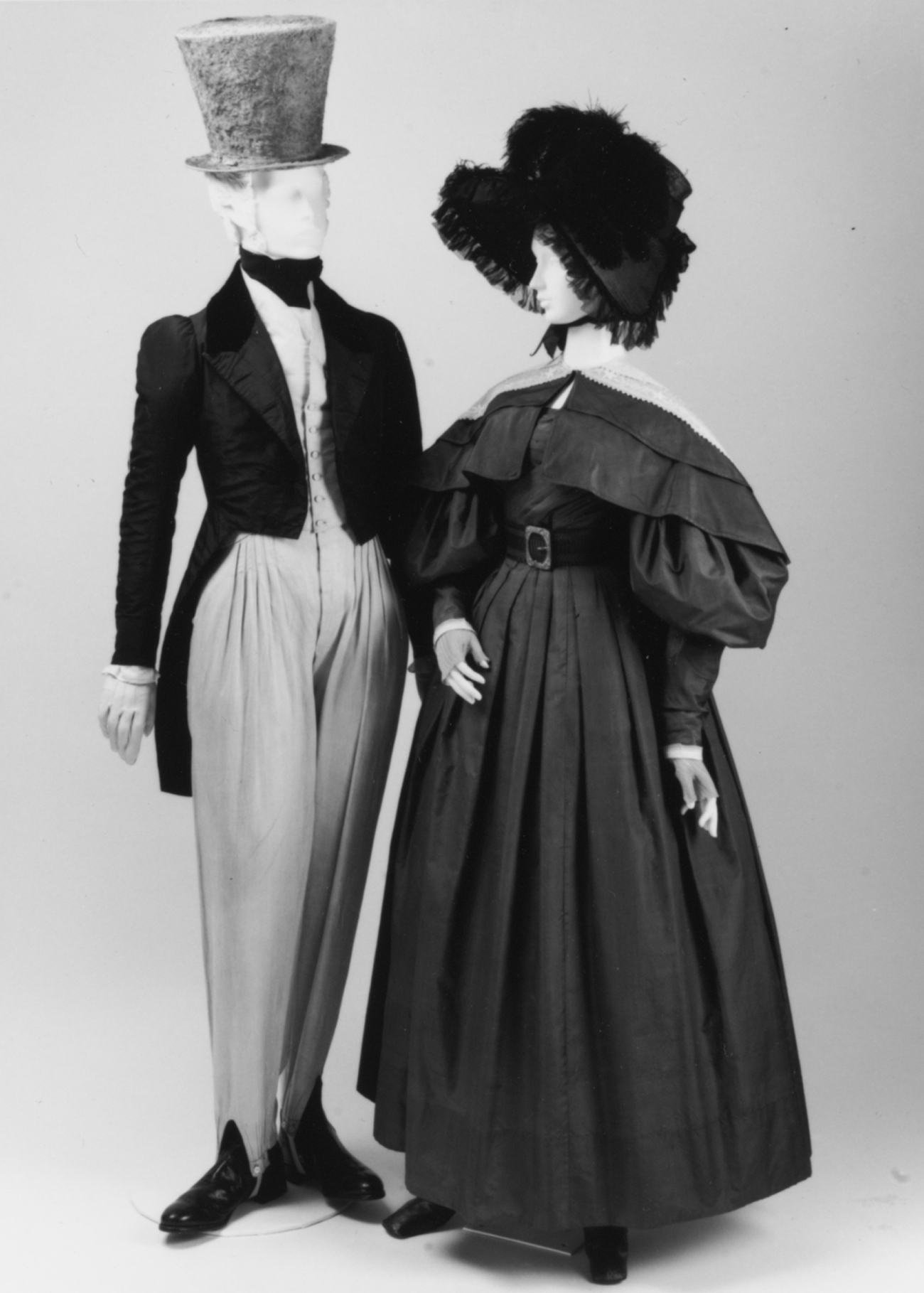
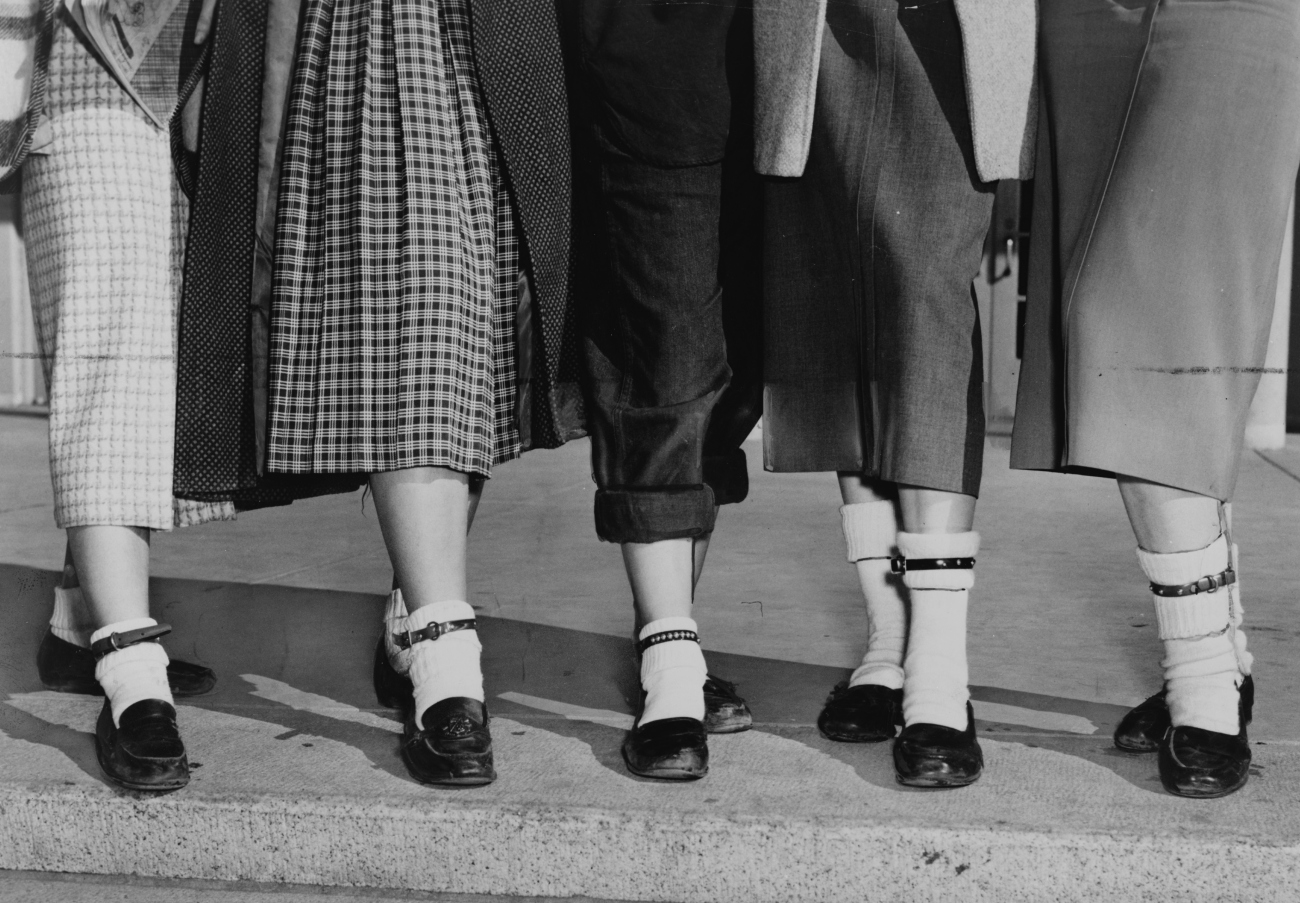
There was a time in the 1950s when teenaged girls wore small dog or cat collars on their ankles over their socks. This went with the loafers and saddle shoes of the era. that were worn with white socks. Bobby soxers were known for sporting these kinds of shoes, teen girls rumored to be fanatically obsessed with pop stars, crooners, and actors. The collars could be worn on either ankle, depending on whether the girl was going steady or was single and this code varied by location.
Fur Stoles with Faces
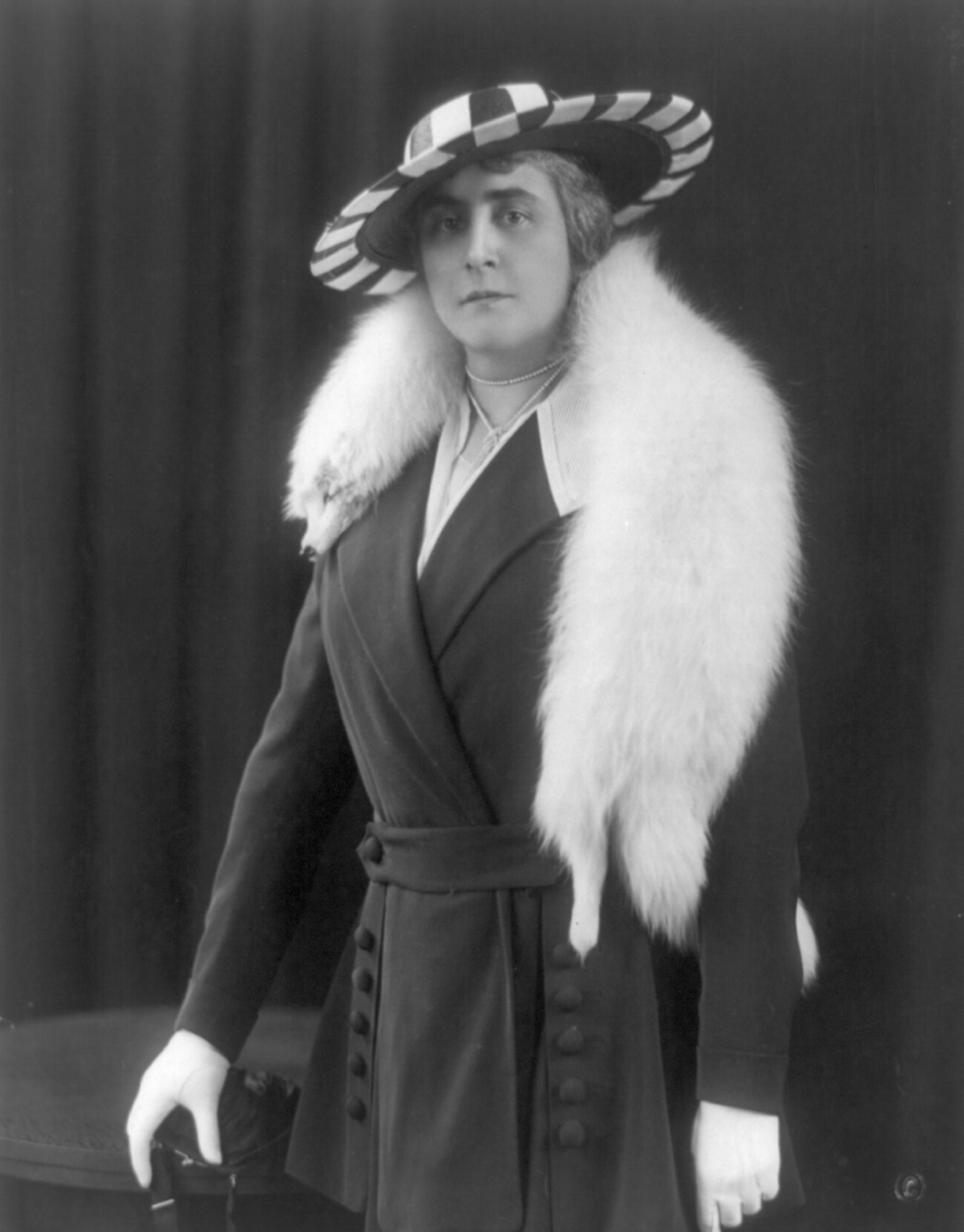
One of the creepiest clothing fads has got to be fur stoles with the faces still on. This was a trend that was supposed to show one’s wealth, as this kind of fur was rather expensive to make. It’s sort of like a cross between furrier and taxidermy, all rolled into one strange accessory. Once faux furs came on the market there was less desire for these creations. The examples you often find in antique stores and thrift shops today are usually a bit worse for wear, often missing chunks of fur, as they don’t hold up well over time.
More to Explore
SKM: below-content placeholderWhizzco for DOT