
When the Office Hummed: Carbon Paper, Rolodexes, and the Reign of the Electric Typewriter
Typing in the 1960s was a full‑body craft. Fingers flew; shoulders squared against the resistance of keys. Carbon paper meant you were never just producing one letter—you were creating a small stack of them, each impression needing a firm strike so the bottom copy stayed legible.
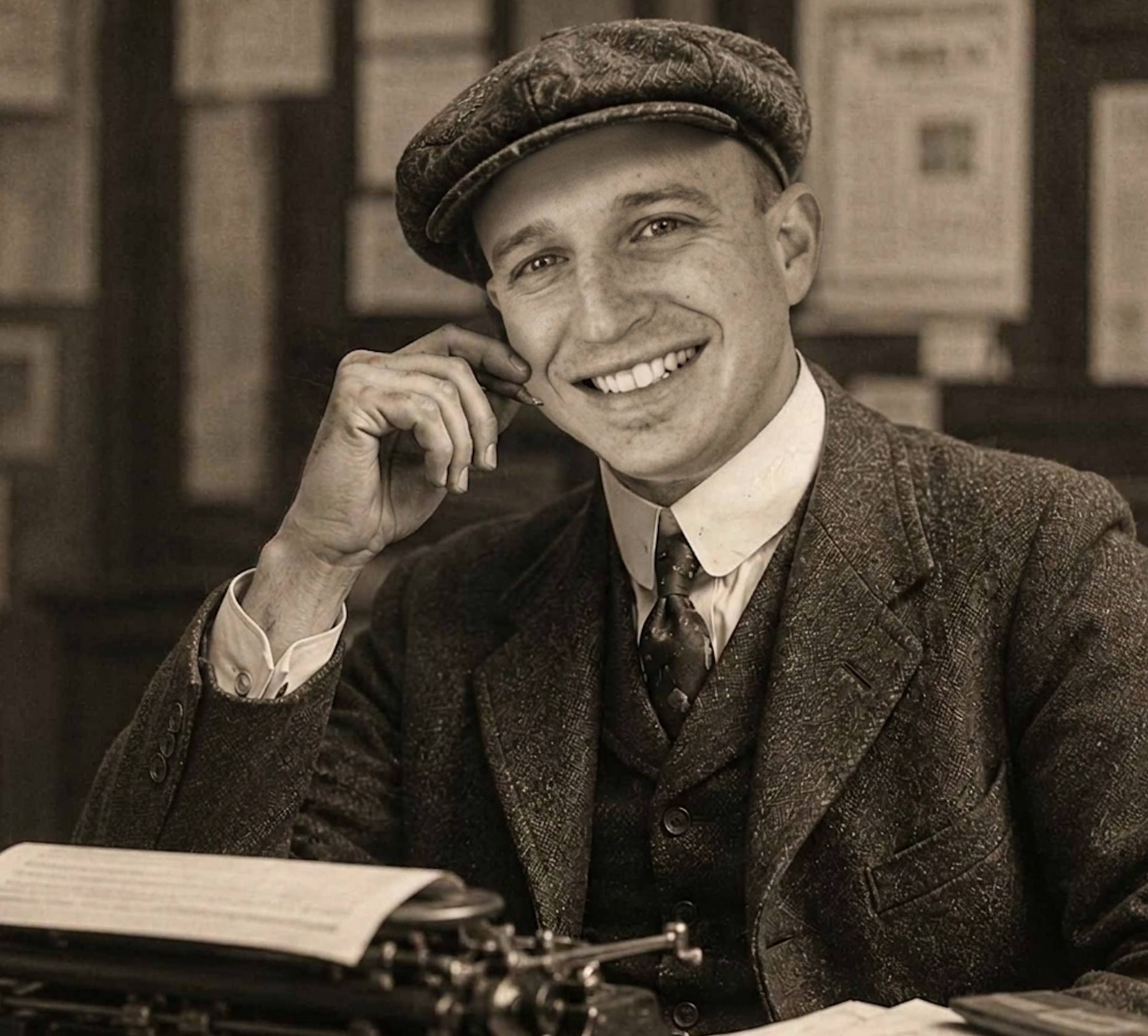
Picture a Tuesday morning in 1966. The fluorescent lights flicker on, a stack of onion-skin paper waits beside a box of carbon sheets, and the desk hums with a tidy sense of purpose. A secretary rolls paper into the carriage, nudges the return lever, and the machine warms up to a soft purr. There’s a cup of pencils, a bottle of correction fluid ready for emergencies, and a well‑thumbed Rolodex—names and numbers swiveled to just the right card with a practiced flick. The phone rings with a bell, not a chime, and as the first letter hits the page, the day truly begins.
At the time, office work had a cadence you could hear and feel. The clatter held the pace; the outbox and afternoon mail pickup set the deadlines. A memo wasn’t a “send” but a physical thing—creased by a paperclip, initialed in the corner, and routed in a manila envelope with a red string that never seemed to stay tied.
The Hum, the Thunk, and the Smudge
Typing in the 1960s was a full‑body craft. Fingers flew; shoulders squared against the resistance of keys. Carbon paper meant you were never just producing one letter—you were creating a small stack of them, each impression needing a firm strike so the bottom copy stayed legible. Onion-skin sheets whispered as they were peeled apart, and more than one typist kept a ruler or an eraser shield close to keep wayward ink from marring a near‑perfect page.
Not everything about this world was graceful. Dictation machines whirred, shorthand notebooks filled line by line, and the air often smelled faintly of oil, ink, and cigarette smoke. Still, there was real satisfaction in a finished page: centered letterhead, crisp margins, the cc and enclosure lines lined up like soldiers. As one 1960s reporter remembered, the day was spent more behind the typewriter than anywhere else, with ancient telephones perched on equally ancient desks to complete the scene (the day was spent more behind the typewriter than anywhere else).
All this speed had a side effect. By making it easier to produce documents, offices created more of them. Filing cabinets multiplied, clerks wrestled with tabs and index cards, and the paper stream became a flood that demanded new systems to keep it all straight—proof that every new convenience can spawn its own complications (created a flood of paperwork).
From Manual Muscle to Selectric Speed
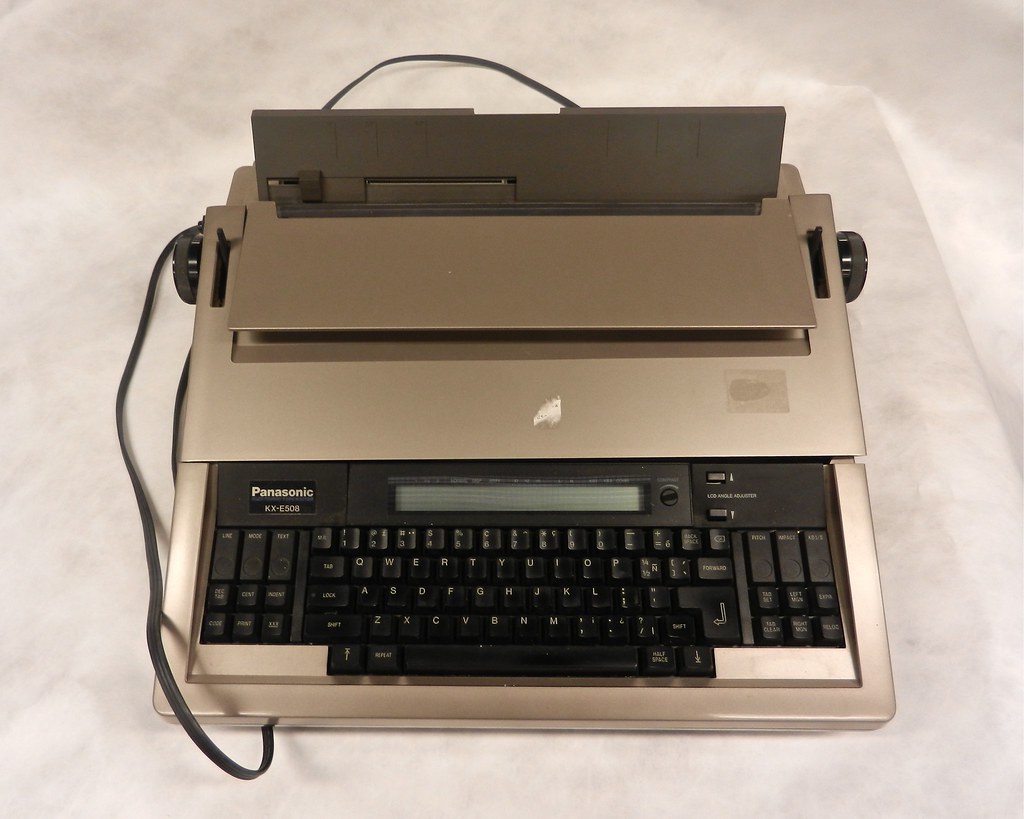
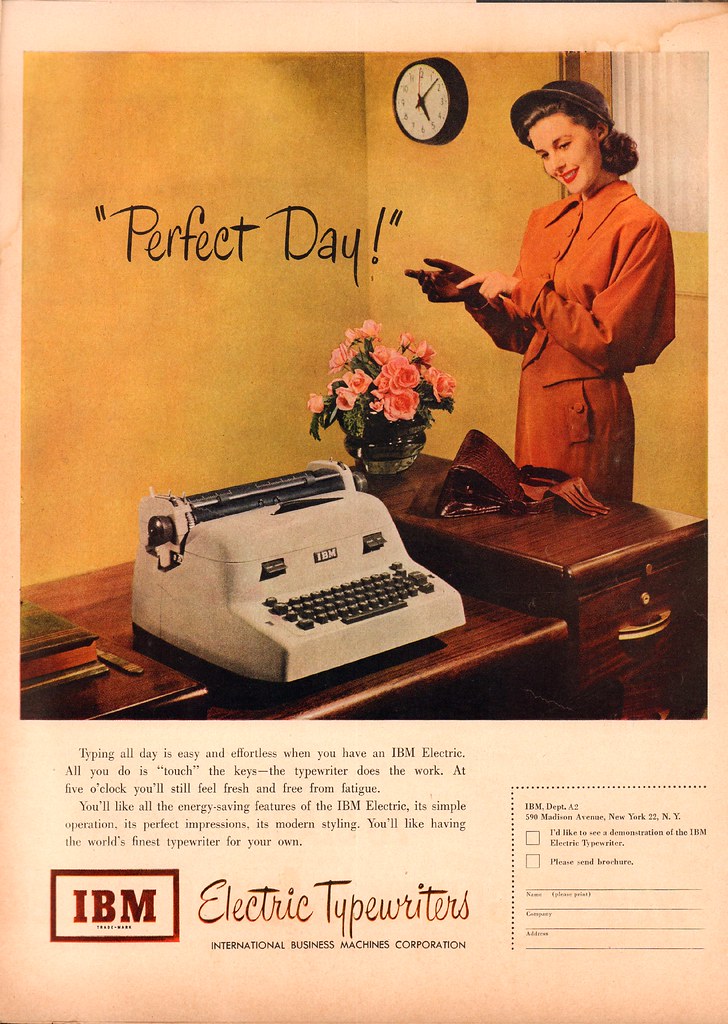
Looking back, the turning point in many 1960s offices came with a hum: the electric typewriter. It evened out the force of each keystroke, punched cleanly through carbons, and saved wrists from the daily strain. Then, in 1961, IBM introduced the Selectric with its tilting, rotating “golf‑ball” element that could change type styles in seconds. The design—sleek, modern, and offered in fashionable colors—felt like the office stepping into the future. Adoption was so swift that, by the late 1970s, IBM held roughly 94% of the electric typewriter market, and the Selectric had become a kind of desk-sized passport to professionalism.
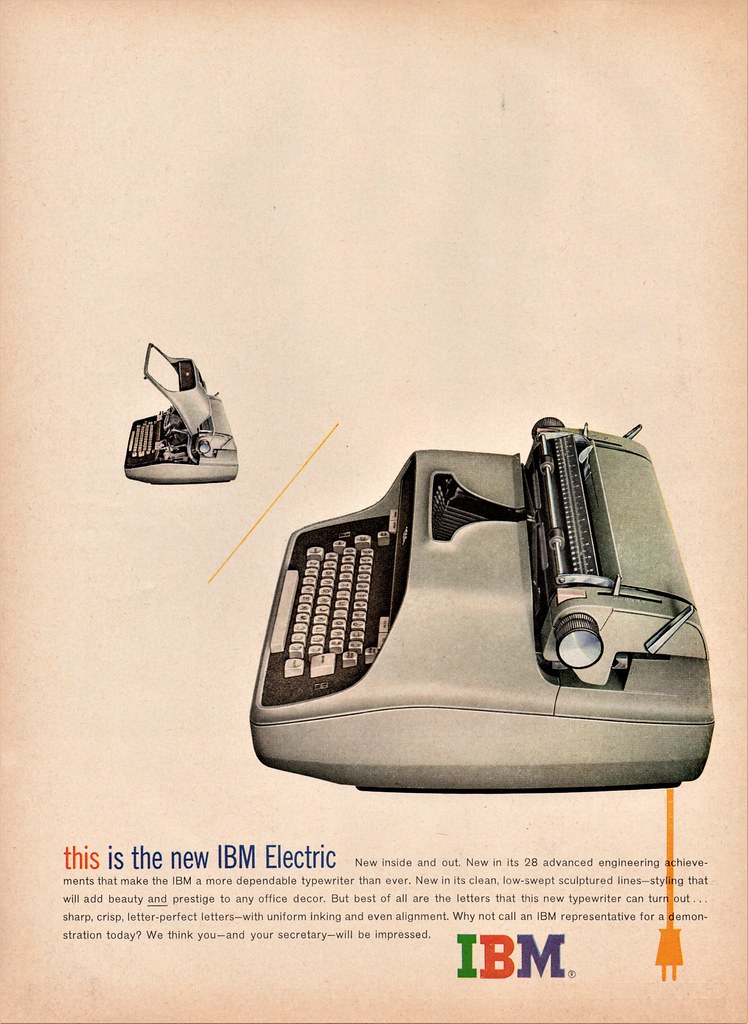
Beyond speed, the machines added polish. Proportional spacing offered by certain models made everyday letters look almost typeset. And as computers inched closer, some Selectrics moonlighted as early terminals—a subtle hint that the clacking world of office work would soon blend with the blinking world of screens. For a while, though, the office remained proudly tactile: keys with travel, ribbons with sheen, and a tiny whirlwind of eraser crumbs on every desk blotter.
The People Behind the Keys
Typewriters reshaped not just the workflow but the workforce. Beginning in the late 19th century and accelerating into the mid‑20th, these machines opened a wide door for women to enter clerical jobs—roles that would become the backbone of many 1960s offices (enhancing women’s roles in the office). Secretarial schools taught lightning-fast touch typing, impeccable formatting, and the nuances of business correspondence; the best typists could make a page sing. Their skill wasn’t just mechanical—it was editorial judgment, time management, and diplomacy, all wrapped into a job title that kept the place running.
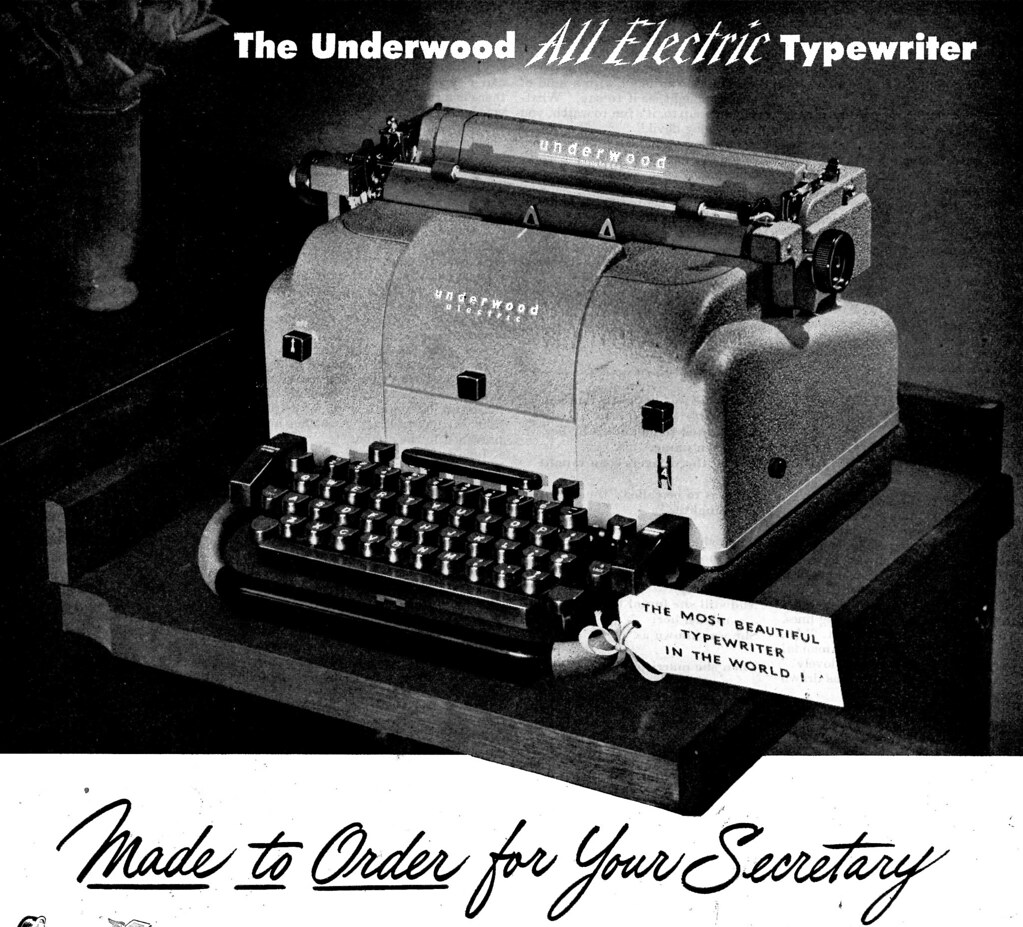
At the same time, the hierarchy of desks told a quiet story. Executives dictated; pool typists transformed rough thoughts into finished prose; mailroom runners hustled across floors with rubber‑banded bundles; receptionists worked the switchboard like conductors. Each role had tools you could recognize by sound alone—from the staccato of the carriage to the bell that signaled the right margin. Even the Rolodex, with its whirling cards, felt like a small machine of relationships, pages softened by the turn of familiar fingers.
By the end of the decade, a new language was creeping in: terminals, word processing, electronic memory. The very skills that defined the 1960s desk—spacing by instinct, centering by feel, and perfecting a letter in one go to avoid a retype—began to yield to cut‑and‑paste ease. It was progress, certainly, but at the cost of a certain texture.
Today’s offices are quieter. Messages travel invisibly, and a draft can swell through a dozen revisions without a single smudge. Yet the memory of that earlier rhythm endures. Maybe it’s why an old electric typewriter, pulled from a closet and coaxed to life, still makes hearts lift with the first clean imprint. In that crisp, inky thwack is the echo of a workday when you could hear a good sentence land.
More to Explore
SKM: below-content placeholderWhizzco for DOT