
When the Mailbox Brought Good News: The Tender Craft of Hallmark Notes and Pen Pals
There was a time when picking a notecard felt like choosing your voice for the week, and the soft clack of the mailbox lid could make a whole afternoon feel brighter.

Imagine a summer day in the early 1970s. The local card shop smells faintly of talcum and fresh paper, and behind the counter sits tidy stacks of ribbon-tied writing sets. A teenager turns a box over in her hands, admiring the saturated paper inside and the matching pen tucked just so. She’s thinking of a friend across town, or a cousin two states away; already envisioning herself sliding an envelope through a mail slot days from now, sending a message of love and care on its way.
During most of the last century, letter writing wasn’t a special-occasion hobby, but a neccessary and normal part of life. You picked your paper the way you picked a shirt: for color, for mood, for the person you hoped would find it in their mailbox. And in many homes, a shoebox of saved letters sat on a closet shelf like a small family archive, holding news, jokes, and the kind of everyday tenderness that’s hard to capture (and preserve) in a phone call.
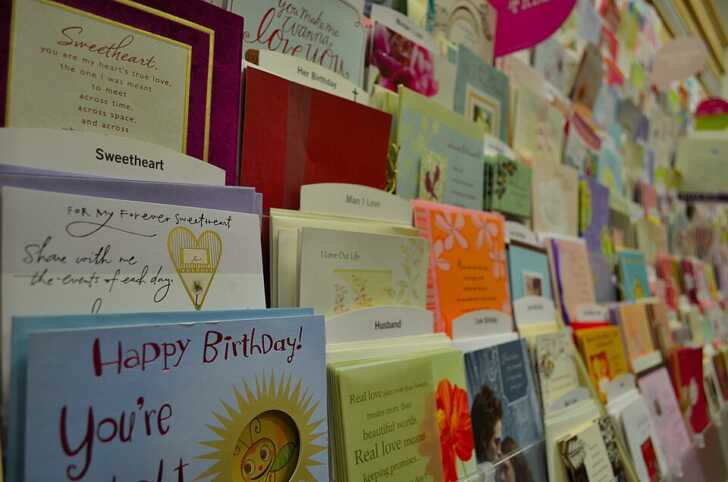

Color, Care, and the Hallmark Touch
Hallmark understood that a note could be both message and memento. In the 1960s and ’70s, their boxed sets didn’t shy away from boldness: saturated shades with playful names like Raspberry Ice, Malibu Blue, and Persimmon came with fiber-tipped pens designed to make each line sing. Packaging was borrowed from gift culture; ribbons, tidy compartments, and seals, so that a writing set could serve as a present before a single word was written.
Designs followed the vibe of their moment. Late-’60s sets leaned into pop color and exuberant patterns. By the early ’70s, the graphics loosened, tipping toward the free-spirited; sunbursts, flowers, and doodle-like borders that made even a quick hello feel like a little poster.
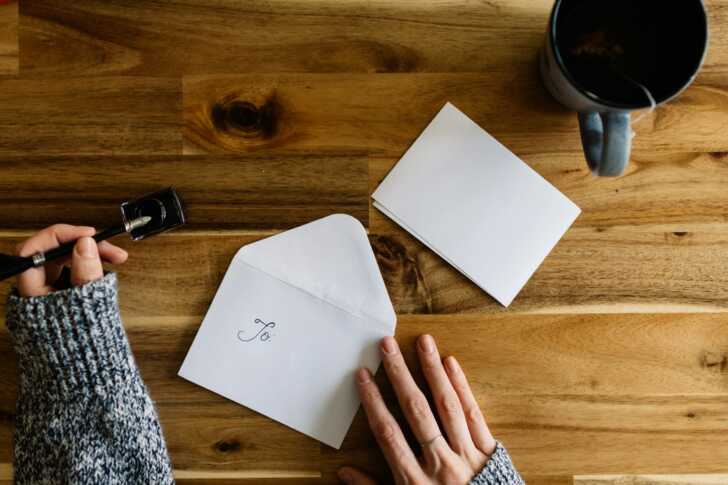
The ritual of choosing, writing, carefully manicuring the text, then sending the letter, was a part of the pleasure. Lining up a clean sheet. Choosing a favorite pen. Smoothing a stamp and, if you were fancy, pressing a sticker seal until the crown emblem left a faint impression under your thumb. All of these fun moments signaled care before a single sentence unfurled.
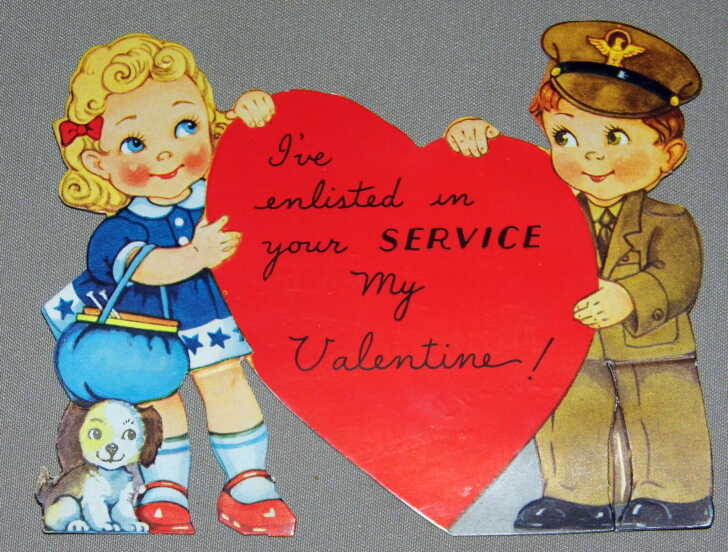
Finding Friends by Mail
For a lot of people, pen pals were a first passport, a first window into another world without stepping foot physically. A letter from a stranger-turned-friend could make the world feel wonderfully reachable, and school days were peppered with folded notes. That exchange of paper, both from desk to desk and across continents, felt alive in a way messages don’t today. Writers remember how pen pals made the globe feel a little smaller and classroom notes kept small crushes (or enmities) afloat.
The wait was part of the romance and friendship alike. You learned another person’s tempo by the cadence of their envelopes: Sunday writers arrived on Wednesdays; the hurried scrawl of a postcard meant “couldn’t wait.” Even the postmarks told a story, with their tidy cancellations and place names. They were souvenirs of an experience someone knew you would appreciate.
Home wasn’t just a destination; it was a workshop. Kitchen tables became writing desks, and the drawer with the rubber bands hid a small cache of stickers and extra envelopes. Parents saved certain letters in biscuit tins or shoeboxes, and kids taught themselves the small arts of presentation as they learned and wrote.
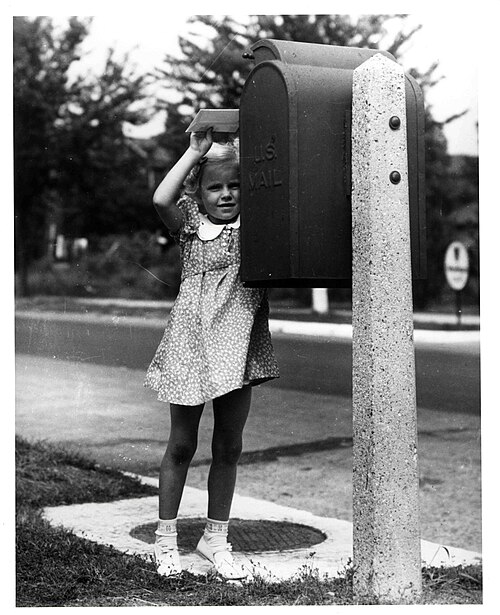

Why It Still Matters
It’s easy to say email and texts completely replaced letter writing, but that undersells what paper does. Stationery asks you to slow down; the envelope creates a little theater around your words. The surprise of tactile mail still delights, which may be why Hallmark continues to offer a wide selection of notecards and stationery.
There’s even a small revival in making the outside of a letter as joyful as the note inside. Creative events have invited people to decorate envelopes, address them with flair, and drop them in the post. Think of it as a miniature art project you send through the mail. One such effort featured a Hallmark make station stocked with notecards, postcards, and decorative papers, a reminder that a little imagination can travel far with a stamp.
Looking back, the charm wasn’t just in the pretty paper. It was the knowledge that someone set aside time, chose a design with you in mind, and trusted that a few earnest sentences could cover a distance that miles couldn’t measure. The beautiful thing is that distance still yields; it always has.
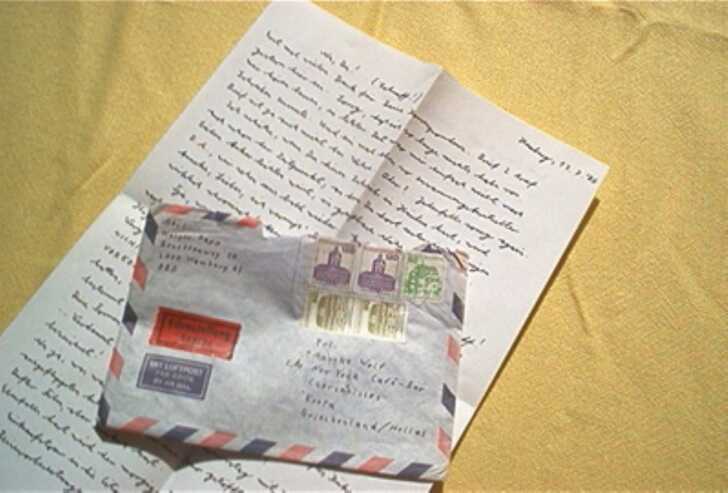

So, Time to Pick up a Pen?
So if a quiet evening presents itself, consider the old ritual. Pick a sheet that suits your mood, address it slowly with a sturdy, comfortable pen. Add a line you’d normally save for a quick text and see how it looks in ink. Then slip it into the mailbox and let the wonder of the postal system do its magic. Instead of choosing convenience, see what a little extra care can make you, and a far-off-loved-one, feel.
More to Explore
SKM: below-content placeholderWhizzco for DOT