
The Night Amelia Earhart Crossed the Pacific Alone
In January 1935, a leather-jacketed pilot lifted off from Honolulu and proved the Pacific could be crossed by a single pair of hands.
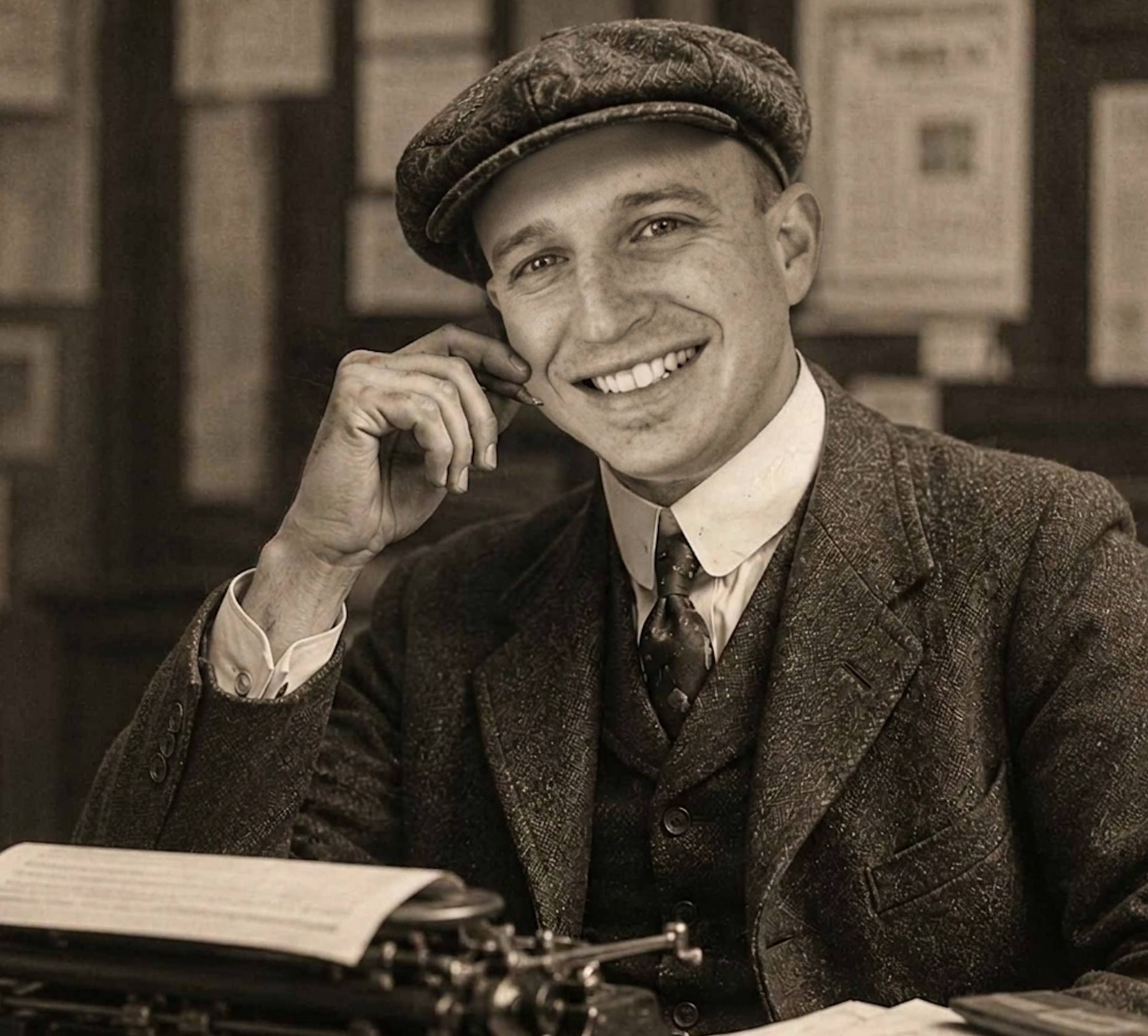
Just after dusk at Wheeler Field, the wind carried the smell of fuel and sea salt. Amelia Earhart, calm but intent, climbed into her sturdy Lockheed Vega, checked her instruments, and rolled down the runway with increasing speed toward the dark horizon. By the next afternoon, she would be the first person to fly solo from Hawaii to the U.S. mainland—a feat nearly as audacious in its day as walking a tightrope between the Hawaiian islands themselves.
At the time, flying still felt like frontier work. The Great Depression lingered, and most Americans knew the sky only through newspaper photos and radio crackle, not personal flights. Earhart had already crossed the Atlantic alone in 1932, but the Pacific was something else entirely—wider, emptier, and far less forgiving. Some wondered if the Hawaii-to-California hop was a publicity play, but everyone understood the risk: there was no easy way out once the shoreline slipped away.
Setting the Stage in 1935
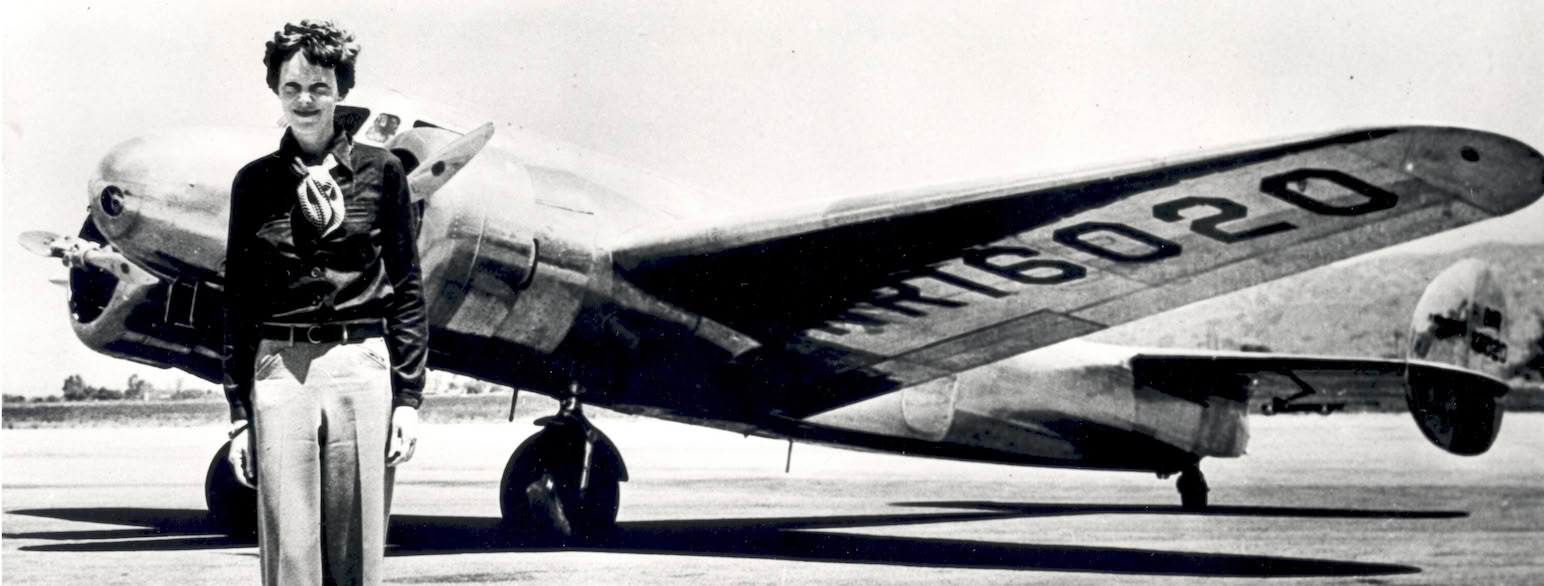
To make the attempt, Earhart arranged for her Vega to be ferried by ship across the winter seas, shipping her red Lockheed from Los Angeles to Honolulu just after Christmas 1934. The plan was simple in outline and daunting in practice: depart Honolulu, ride favorable winds, and find Oakland after roughly 2,400 miles of open water. This was long before modern cockpit comforts—no pressurization, sparse instrumentation, and a radio that offered little companionship beyond occasional weather notes.
People on both sides of the great expanse were invested. In Hawaii, civic boosters saw a chance to link the islands more firmly to the mainland story. In California, aviation fans and everyday families tracked updates with the same breathless hope that once followed transcontinental train races. To make it home meant proving not just personal skill, but also the growing reliability of airplanes—temperamental machines that, just a decade earlier, were still being dismissed as noisy novelties.
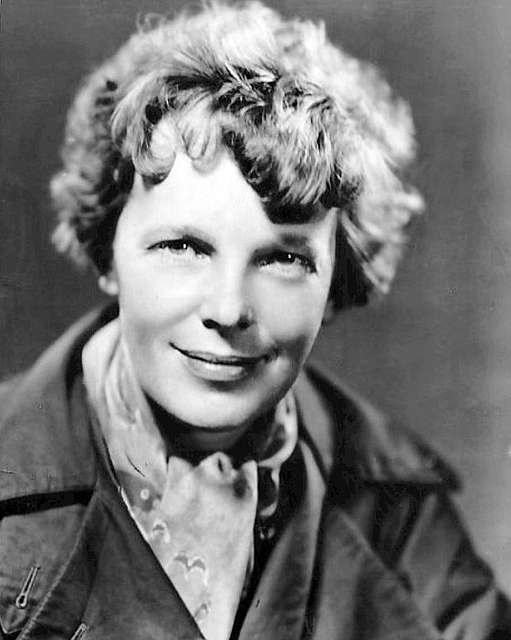
While reliability was improving, it was not solidified; the danger of such a flight was extraordinarily real. The Pacific had a way of humbling even seasoned pilots. The route had already claimed the lives of aviators who tried and failed before her. Earhart understood that truth intimately. She also knew what success would say to young flyers—especially girls—watching from classroom windows and farmhouse porches.
A Long Night Over an Empty Ocean
Once airborne, the pattern of the flight settled into something both monotonous and nerve-quickening. The night sky over the Pacific was the aviator’s only companion and biggest threat. Under a cape of stars, she listened to the engine’s steady thrum, the kind of sound that becomes a heartbeat when everything depends on it. Squalls and cloud banks meant navigating in and out of darkness. There were hours when the only measure of progress was the needle on a compass, the tick of a clock, and a mind that refused to grow careless.
Earhart’s Vega was strong for its era. It was fast, wooden, and surprisingly agile, but it was still a single-engine airplane carrying its pilot over an ocean that did not forgive mistakes. She flew by dead reckoning and experience, parsing faint radio notes when they reached her and trusting her planning when they did not. At intervals she checked fuel, watched the horizon for any hint of light, and counted the hours she’d laid out before departure. Small chores helped keep the worry at bay; discipline was its own kind of company.
On the mainland, listeners huddled around radios for morsels of news. In kitchens and corner stores, folks swapped updates and worried about weather. Aviation in those days was never just about hardware; it was a human drama unfolding in public, with a pilot at the center who looked not much different from the neighbor down the block.
When the Coastline Appeared
After nearly nineteen hours, the gray line of California rose ahead. Oakland came into view—runways, roofs, and then faces. Earhart eased the Vega down and rolled to a stop with a roar that washed across the field. Reports say thousands crowded the airport fences; photographs show her smiling, flower leis slipping over a scuffed flight jacket. The long water crossing was no longer a chain of “ifs.” It was a completed line on the map. A line that had just been accomplished.
We know now that this landing marked more than a record. It tipped the scales of public perception. Because one pilot, with modest instruments and a steady hand, could connect Honolulu and Oakland overnight, the sky over the Pacific—once perceived as daunting—suddenly seemed less formidable. Airlines took note. Families began to wonder whether vacations and business might someday skip the steamship queue.
Earhart, ever understated, returned to work almost at once. The year would bring more flights and more speaking engagements, but the Hawaii-to-mainland solo stayed singular—an act that blended careful preparation with courage, performed at a moment when the world needed bold, competent heroes. In the decades since, her story has lived on not just as legend, but as a promise that skill, patience, and grit can make the impossible routine.
Her death over that same ocean—two years later in 1937—also displays the tragic reality of human limits and the extreme power of nature. We may learn how to harness the winds, but we will never tame them.
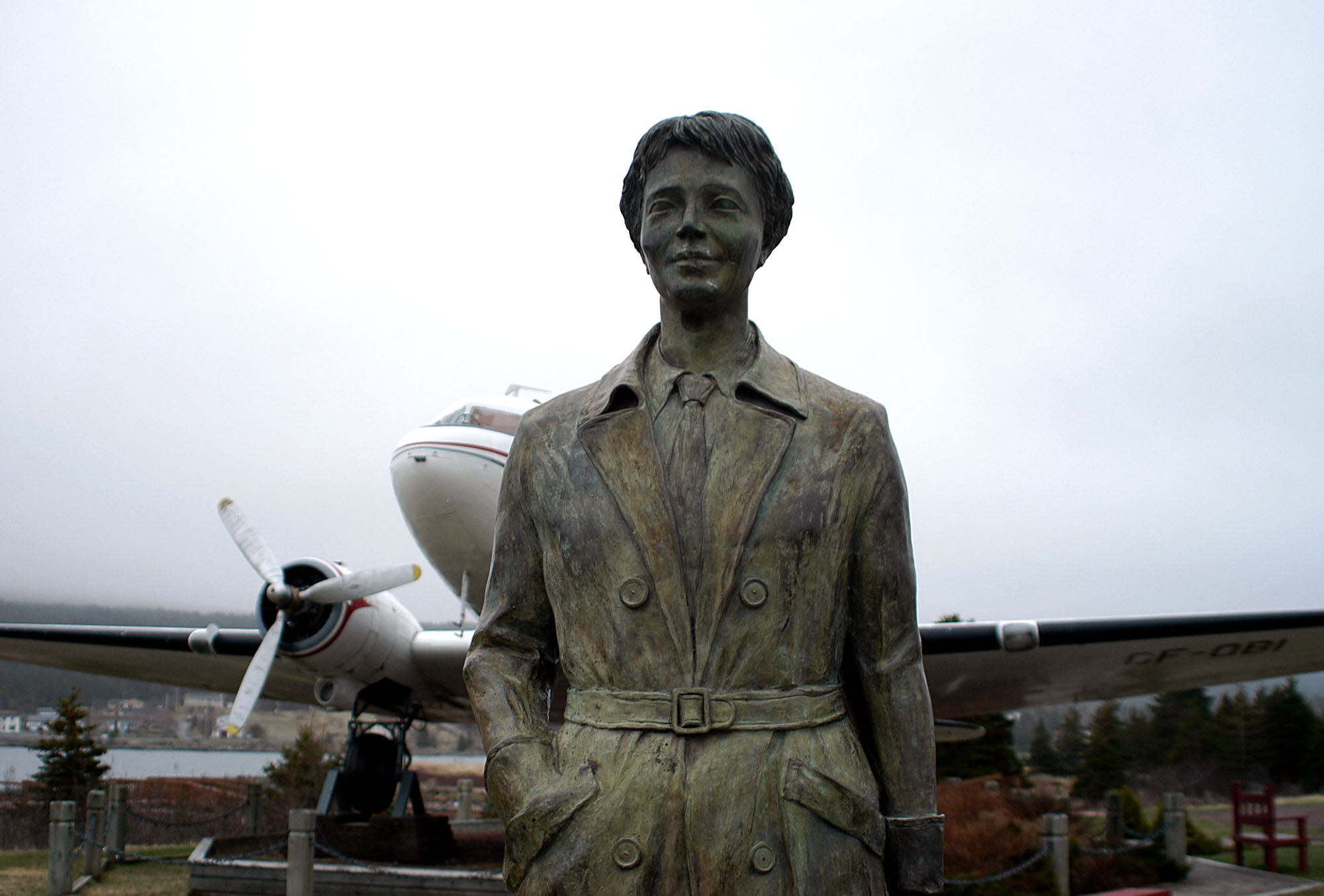

However, anniversaries of the first successful night still carry a little salty air, engine song, and hope. We picture a pilot alone with her thoughts, steered by faith in her plan and in the machine she knew so well. And we can’t help but wonder: in an age crowded with screens and schedules, what would it feel like to look out of a small cockpit and see only starlight—and the future—stretching ahead?
More to Explore
SKM: below-content placeholderWhizzco for DOT