
The Sunday Morning America Lost Marilyn
Marilyn’s image has only grown larger since, printed and projected until it blurs, yet the feeling from that morning remains stubbornly small and human.
It was a quiet Sunday morning, the kind when sprinklers ticked steadily across front lawns and the paper hit the porch with a comfortable thud. Somewhere between the percolation of the coffee pot and the donning of church clothes, radios began to hum with a bulletin: “Marilyn Monroe has been found dead in her Brentwood home.” The words did not land so much as they stunned, drifting through kitchens and corner diners like a chill. America had lost the woman who could make a crowded theater feel like a private moment with a wink and a smile, and the air felt different for it.
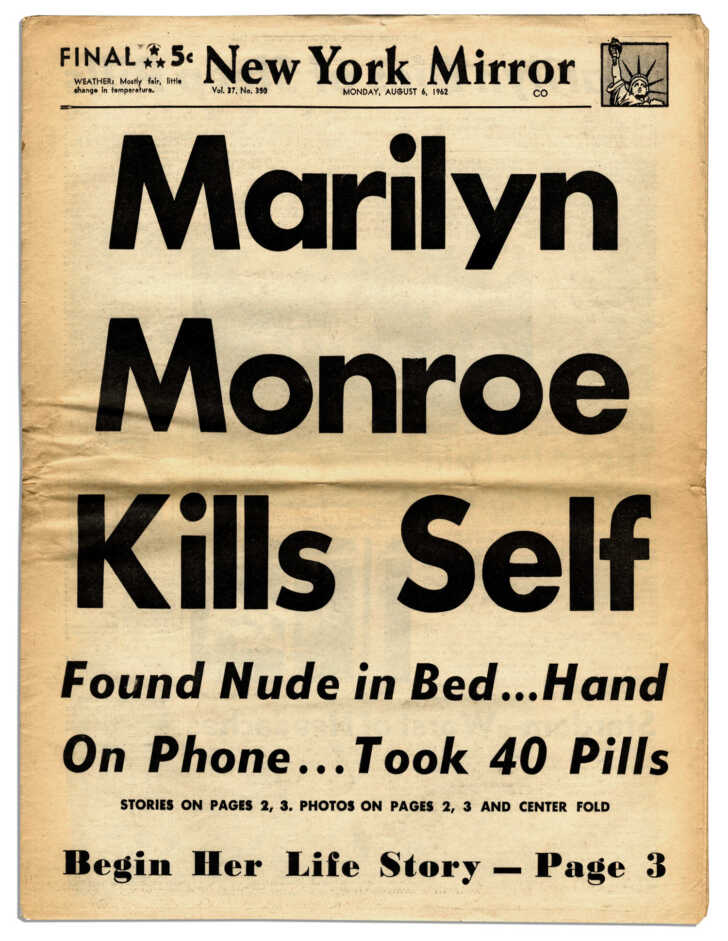

The News That Stopped a Sunday

Early reports painted a stark picture: the 36-year-old actress discovered in the small hours of August 5, 1962, lying nude on her bed, face down, with a telephone in one hand. Bottles of pills stood nearby, the sort she’d been prescribed for depression and sleepless nights. It was the kind of grim tableau that audiences usually saw on screen, not splashed across front pages. By mid-morning, extras were already hawked on street corners and bulletin crawls on television confirmed what so many hoped was a mistake.
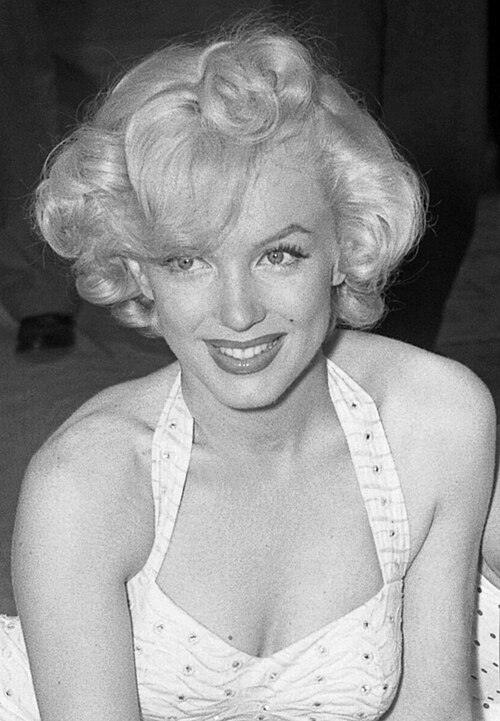
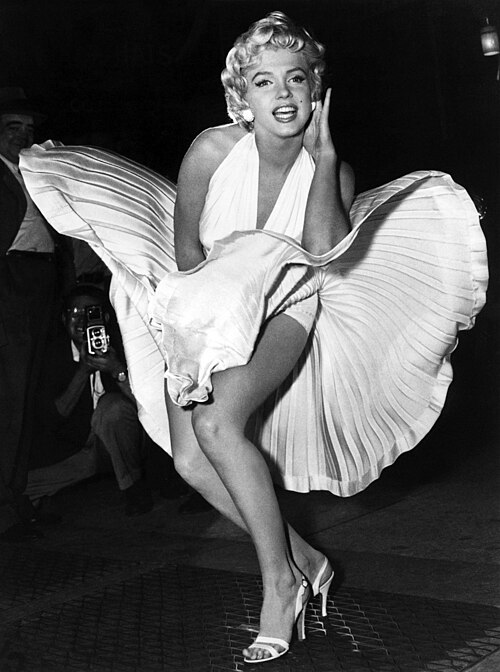
In living rooms from Los Angeles to Long Island (and later, the Western world), people tried to square that image with the woman who had danced through comedies and kissed back to the cameras: the breathy laugh, the platinum halo, the unexpected warmth that positively jumped from the screen. For an America straddling the last glow of 1950s glamour and the decade about to swing wide open, the news felt like the final push of a door closing hard.
A Summer of Strain
For Marilyn, the summer of 1962 had already been frayed. Her long struggle with insomnia and anxiety had deepened, and her big studio picture, Something’s Gotta Give, had faltered after weeks of on-set absences. Friends and colleagues worried about her mental health; so did her doctors. They were right to do so. The coroner’s office would rule her death a probable suicide by acute barbiturate poisoning, and Los Angeles authorities even commissioned one of the earliest “psychological autopsies” to better understand her state of mind.
From almost the first hour of the story’s release, gaps and contradictions slipped into the narrative of Marilyn’s death. The housekeeper who noticed the bedroom light, the psychiatrist who reportedly broke a window to get inside, the peculiar timelines. ALL would be revisited in the years to come. As one reporter later put it, Marilyn’s last day is shrouded in mystery, not for lack of attention but because so many details were contested, amended, or remembered differently. At the time, though, few people paging through their Sunday papers were thinking about forensics. They were thinking about the girl who had changed her name, and then changed the temperature of every room she entered.
Hollywood itself seemed to inhale and hold it, not wanting to accept that a beloved person such as Marilyn Monroe could possibly be gone. Crews who shared lunch breaks with her, photographers who learned to wait out her lateness because the shot was always worth it, studio publicists who understood the strange math of movie myth; all found themselves speaking softly that week. What had begun as a bulletin became a vigil. Fans lined up by the dozens, then hundreds, to lay flowers, to murmur a prayer, or to stand in as witness in shared disbelief.

Grief, Rumors, and the Long Afterglow
In the days that followed, the rituals of goodbye took shape. Joe DiMaggio, her former husband, arranged a private funeral at Westwood Village Memorial Park and, for years after, had roses delivered to her crypt. It was a gesture that kept its own quiet schedule, like a heartbeat you could set your watch by. Around the country, people clipped obituaries, tucked magazine covers into drawers, and taped smiling posters to bedroom walls as if to insist the beloved actress’s glow could be kept alive.
Of course, a loss this large rarely stays still. Rumors soon raced ahead of the facts: secret visitors, missing diaries, a seemingly endless debate over the hour she died. Some accepted the official conclusion; others held fast to darker possibilities and conspiracy theories. Decades on, the questions still surface, but time has softened the edges. What endures most clearly is not the speculation on the death or Marilyn Monroe but the sensation of that August; small details became enormous symbols, how a simple bedside phone could come to stand for everything unsaid.
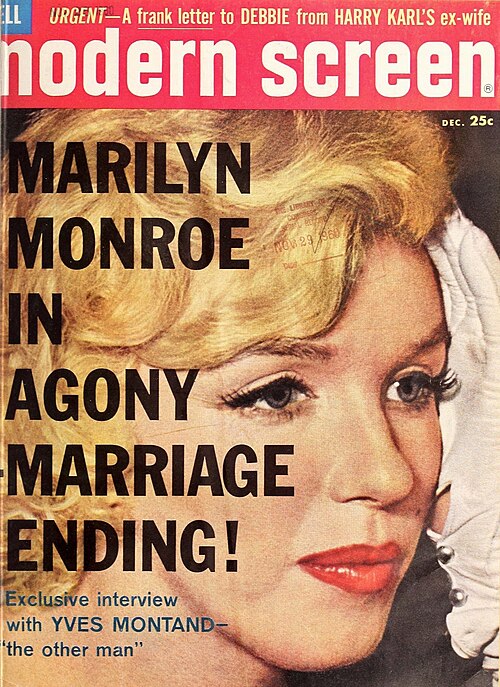

A Fateful Day
What did that day feel like? For those who remember, television sets seemed dimmer and movie theaters too quiet, even with a crowd. It was standing over a sink of breakfast dishes, hand paused in the soapy water. It was the Sunday drive turned somber, headlights glinting on newspaper boxes that all shouted the same name. And it was memory itself, heavy with the knowledge that the era of studio-painted dreams was changing, and that the person who best embodied them would not be there to see what came next.
Marilyn Monroe’s image has only grown larger since, printed and projected until it blurs, yet the feeling from that morning remains stubbornly small and human. However we interpret the facts, the loss itself is plain: a brilliant, complicated woman whose magic on screen masked a private torment. The world didn’t only lose a star that day in 1962; it lost the possibility, too, that her story might yet find a gentler turn.

More to Explore
SKM: below-content placeholderWhizzco for DOT