
When One City Block Became a Beacon: Haight‑Ashbury’s Brief, Blazing Summer of 1967
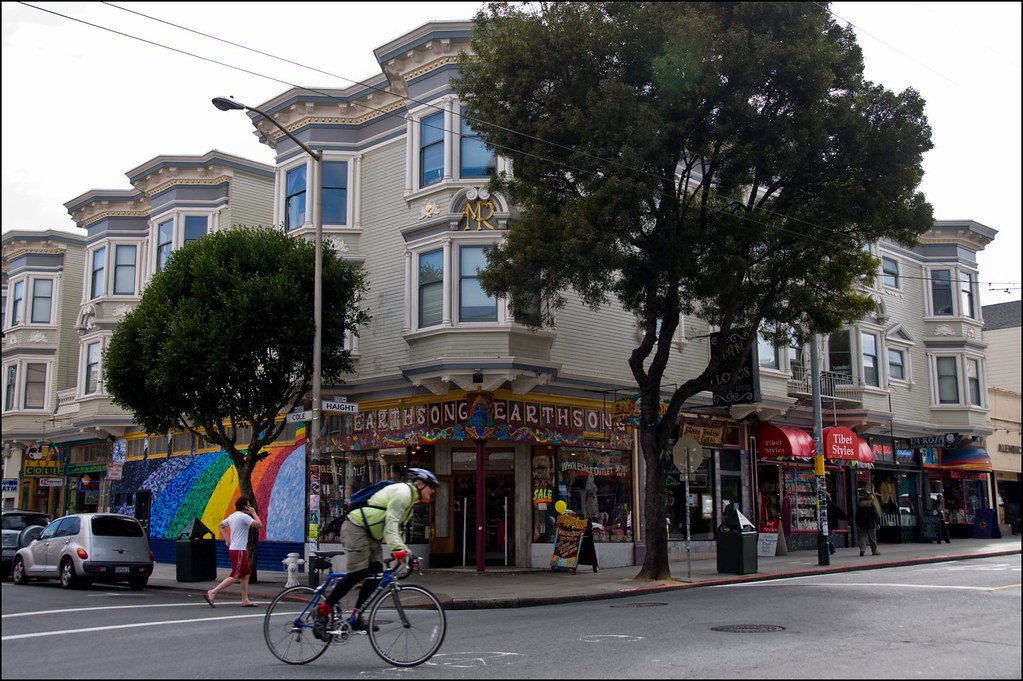
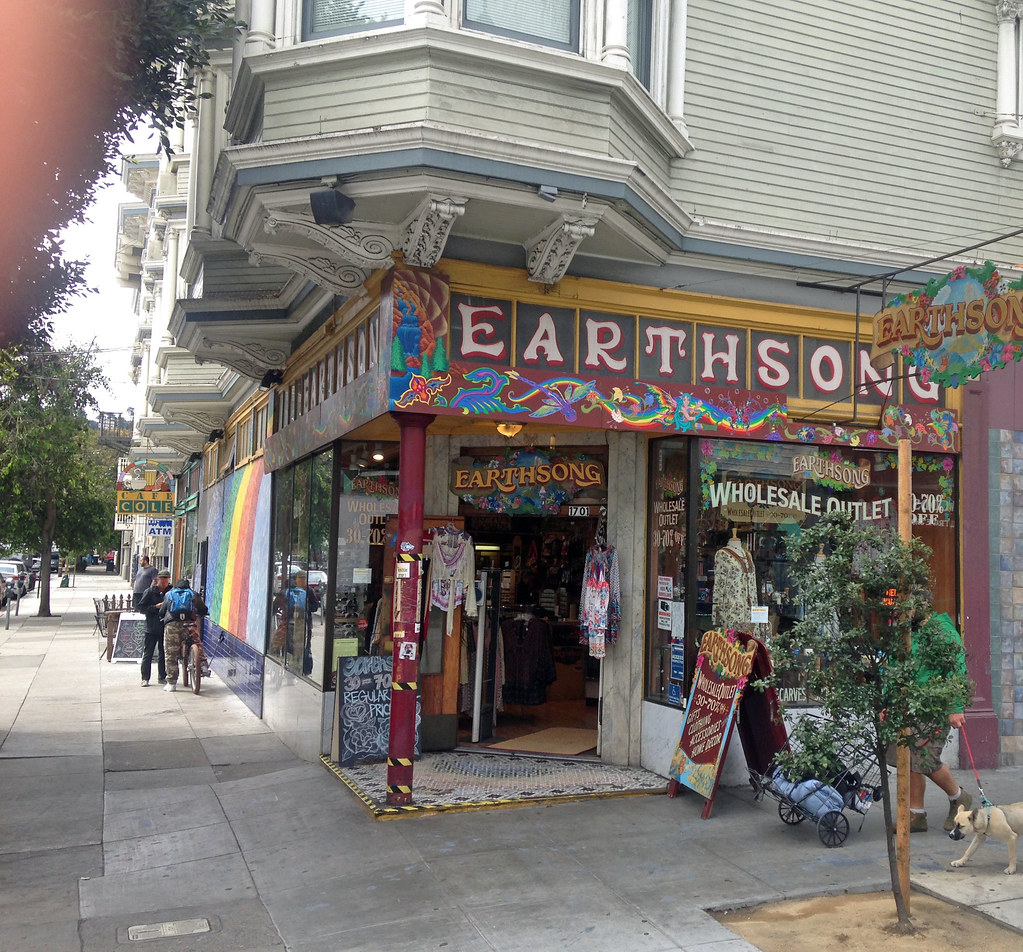
On a bright June afternoon in 1967, the breeze off Golden Gate Park carried the sound of a dozen guitars through open windows. On the corner of Haight and Ashbury, a young woman wove beads into a friend’s hair while a handwritten sign promised “Free Soup at Six.” It felt, for a moment, like a neighborhood had learned a new language and everyone was eager to speak it.
On a bright June afternoon in 1967, the breeze off Golden Gate Park carried the sound of a dozen guitars through open windows. On the corner of Haight and Ashbury, a young woman wove beads into a friend’s hair while a handwritten sign promised “Free Soup at Six.” It felt, for a moment, like a neighborhood had learned a new language and everyone was eager to speak it.
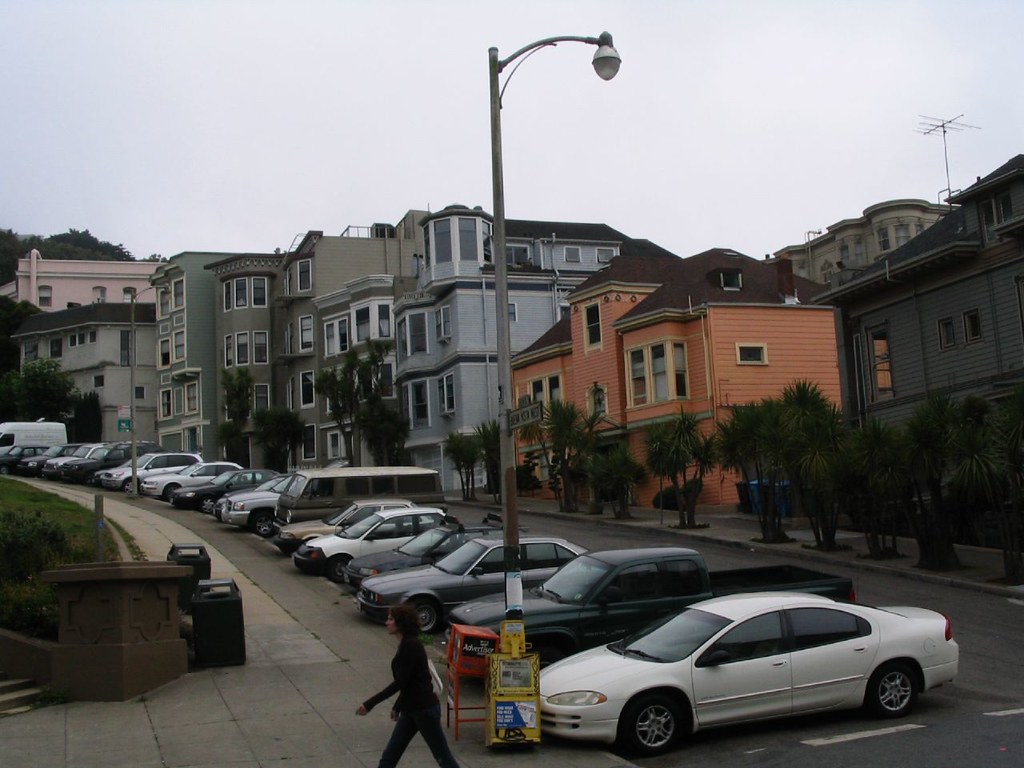
Haight‑Ashbury wasn’t born famous. Before the headlines, it was just a 25‑block stretch of painted Victorians and subdivided flats where the rents were low and the rooms were big enough for bands and big ideas. By the mid‑1960s, artists, students, and would‑be poets had drifted here the way a tide finds its own shore, bringing guitars, silk scarves, and a stubborn belief that life could be lived differently.
A Neighborhood Becomes a Beacon
At the time, the country’s temperature was already rising—civil rights marches, Vietnam on the evening news, and a restless youth culture peeking over the fence of its parents’ world. In San Francisco, the scene cohered in the Haight. There were underground papers, coffeehouse readings, flats with mattresses on the floor and doors that rarely locked. People came for many reasons: to make music, to escape the draft, to chase a kinder version of daily life. Even their nicknames—Sunflower, Laughing Fox—hinted at an urge to begin again.
And then came the big exhale. On a clear January day in 1967, tens of thousands gathered in Golden Gate Park for a “Human Be‑In,” where gurus spoke, bands played, and a catchphrase or two took flight. Suddenly Haight‑Ashbury wasn’t a local secret. Teenagers read about it in national magazines. Parents argued about it over dinner. Spring break brought caravans; summer brought wave after wave of young people with backpacks, notebooks, and just enough cash for bus fare. The story spread not only by rumor, but through the stories and people who lived and survived the Summer of Love, told and retold across the Bay.
Even as the crowds grew, the neighborhood tried to meet the moment. The Haight‑Ashbury Free Clinic opened its doors, a small miracle of medical care for kids far from home. The Diggers ladled out stew from a battered pot, ran a Free Store, and pinned notes to bulletin boards that said, simply, “Need help?” For a few months, it really did feel like a city inside a city—music on the Panhandle lawns, paper flowers in windows, sunlight on tie‑dye drying along second‑story fire escapes.
Summer in Full Bloom
Looking back, the season’s soundtrack is as vivid as its colors: psychedelic riffs spinning from living‑room turntables, folk harmonies drifting down stairwells, and the roar of weekend crowds at ballrooms reborn with light shows and liquid color. Monterey Pop turned singers into stars; posters with melting letters turned telephone poles into galleries. The idealism could be disarmingly practical, too—ride boards sharing gas money, “crash pads” for newcomers, a neighbor passing a loaf of bread to the kids next door.
But beauty and strain arrived together. By July, the Haight’s sidewalks were as crowded as a festival stage. Overlapping dreams didn’t always harmonize: some came seeking community, others a thrill; some wanted to protest the war, others simply wanted to be left alone. The city’s services weren’t built for this sudden population, and the neighborhood’s older residents—many on fixed incomes—watched their street grow noisier and messier by the week. Even visiting rock stars, expected to be at home here, sometimes walked away shaken by the sheer press of people and need.
What had felt like a village began to feel like a spotlight. With attention came opportunists; with crowds came pickpockets; with harder drugs came real danger. The very openness that had defined the early scene made it fragile. People started leaving—some to rural communes, some back to school, some to grown‑up jobs they once swore they’d never take. And yet, as it frayed, the Haight remained oddly tender: the clinic’s volunteer doctors kept seeing patients; neighbors still passed the hat for a friend’s bus ticket home.
The Turning and the Echo
By autumn, the neighborhood understood that something had shifted. On October 6, 1967, locals staged a mock funeral—the “Death of the Hippie”—and carried a coffin through the streets, a theatrical goodbye to a label the media had made into a costume. It was partly protest, partly relief, and partly an attempt to rescue the original idea from the crush of its own popularity.
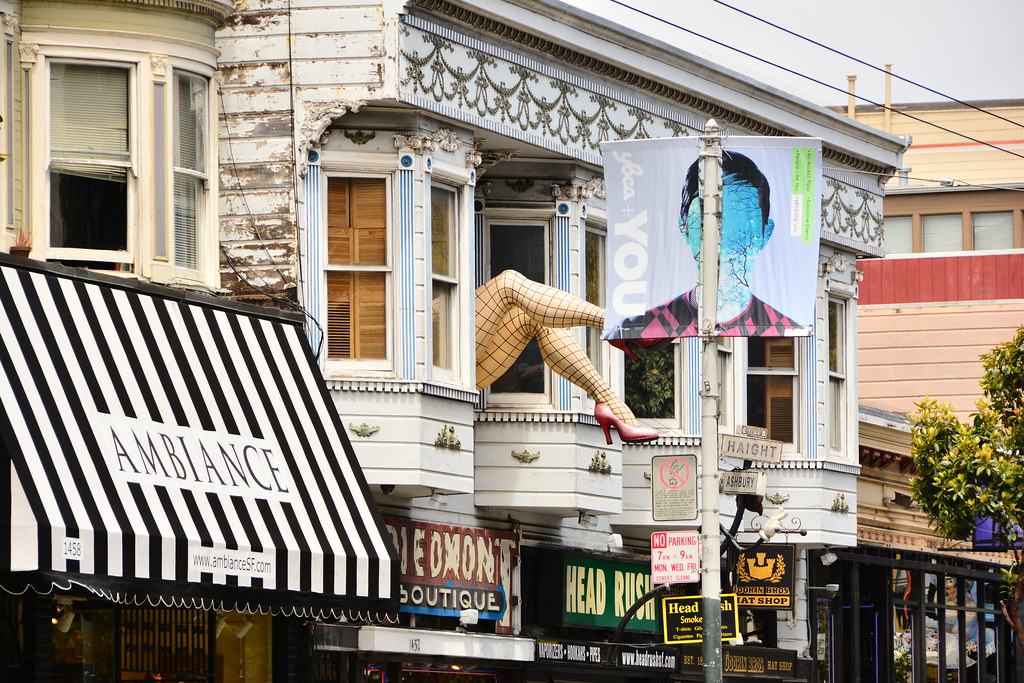
Time, as it does, kept walking. The Haight stabilized and changed; boutiques and vintage shops replaced head shops and crash pads. The memory of 1967 took on a museum‑glow, even as the people who were there remembered a more complicated truth. As one anniversary look‑back put it, this was a time when the neighborhood was briefly transformed from an obscure corner into “the center of the universe” for what would soon be called the counterculture—a burst of hope that left both music and scars.
And what remains? More than the posters in a frame. The Haight’s experiment nudged American life toward co‑ops and clinics, toward questioning institutions and listening for other ways to live. It braided antiwar activism into everyday culture and helped reshape pop music’s map. It also taught—sometimes harshly—that idealism needs care and structure if it’s to last longer than a summer.
Walk that corner today and the ghosts still tap you on the shoulder: a riff that sounds like 1967 tumbling out of a record shop, a stranger offering directions, a small kindness on a busy street. The season when a neighborhood tried to live love out loud is long past, but its echo keeps good company with the present.
More to Explore
SKM: below-content placeholderWhizzco for DOT