

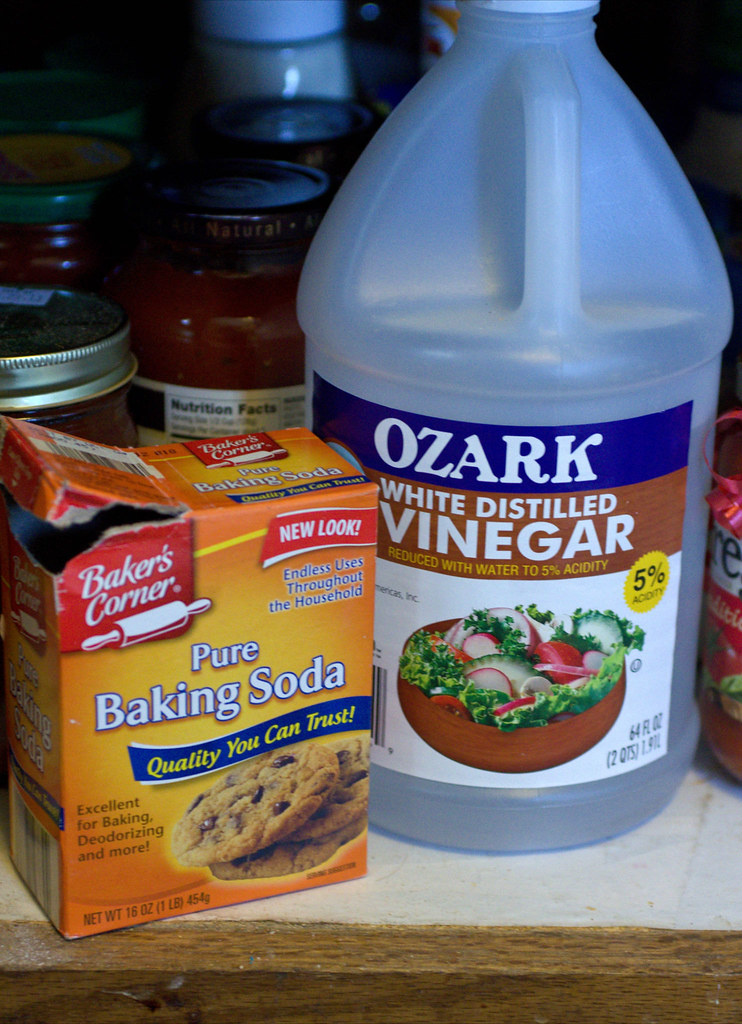
Picture a Saturday morning in the late ’70s: sunlight shines off of patterned linoleum, the radio croons from the counter, and a sturdy jug of white vinegar waits under the sink next to an open box of baking soda. In so many homes, that little duo stood in for the crowded cleaning aisles we know today. If something needed de-spotting, de-sticking, or de-stinking, you reached for what you already had.
At the time, it wasn’t just a preference; it was a cost-effective way of life. With inflation nibbling at paychecks and energy prices spiking, families learned to make things last, to patch before replacing, and to stretch one tool or ingredient into three uses. Hacks for the household created efficiency and minimized waste. They kept the week moving.
The Pantry Items We Relied On
Newspaper hint columns were a lifeline for home-owners of the era. They were equal parts community bulletin board and troubleshooting manual. One of the most beloved collectors of such wisdom was Bert Bacharach, a sartorial-minded editor who became famous for his pragmatic home advice. His columns bundled reader-tested fixes into tidy little how-tos: use hot vinegar to whisk away paint specks on windows, slip socks over your shoes to guard against drips while painting, even tame that fresh-paint smell by setting out onion slices or stirring a bit of vanilla into the can. You can still get lost in his helpful tips and tricks, many of them leaning on the same two heroes—baking soda and vinegar.
There was a reassuring specificity to this advice. Not just “clean the glass,” but “wipe in this direction with this solution.” Not simply “freshen a room,” but “put the onion here, and cut it in this way.” It felt like a neighbor leaning over the fence with the exact answer, and it made homemaking—so often invisible labor with no fun mixed in—feel like a craft.
Ingredients beyond vinegar and baking soda were used, too. Olive oil could coax a dull spot on a tabletop back to life. Salt helped scour the inside of a narrow-necked vase. For anyone with a record player, there were patient tricks for flattening a warped LP, such as the Sunlight and Glass Method, which asked music-listeners to place a sleeved record between two thick panes of glass and place it under direct sunlight (taboo, we know!). Ten minutes later, plus a little time for the LP to cool, and the record was ready to be listened to all over again. These were the hacks that saved us money and an unnecessary trip to the record store.
Make Do, Make It Last
It’s striking now to remember how many fixes started with a rummage through the drawer—with an item that the columnist knew we would have somewhere. The jagged strip on a wax paper box could be repurposed into homemade cookie cutters. A quick dab of petroleum jelly on your hands before painting made cleanup brisk. Pegboard down a child’s wall meant hooks and shelves could inch upward as small shoes and backpacks grew bigger. Even the humble spare tire was drafted into a savings plan—rotate it in with the others to stretch the miles.
Frugality didn’t feel skimpy; it felt clever. You needed to bring a pan back to neutral after a fish fry? A salty simmer did the job. Deodorize a musty corner? Baking soda quietly got to work, no fancy label required. The point wasn’t austerity—it was pride. Knowing how to restore, refresh, and rearrange with what you had meant a little more money stayed in the coffee tin and a little more confidence lived in your hands.
What Stuck and What We Leave Behind
Looking back, not every gadget and hack of the decade earned its keep. The ’70s loved a futuristic flourish, and a few novelty cleaning tools—flashy dusters, plug-in contraptions, even odd aids for waxing floors—looked brilliant in ads but disappointed on the rug. As one roundup of retro oddities notes, plenty of odd 1970s cleaning products now sound unreal, remembered more for their hazards and hassles than their help.
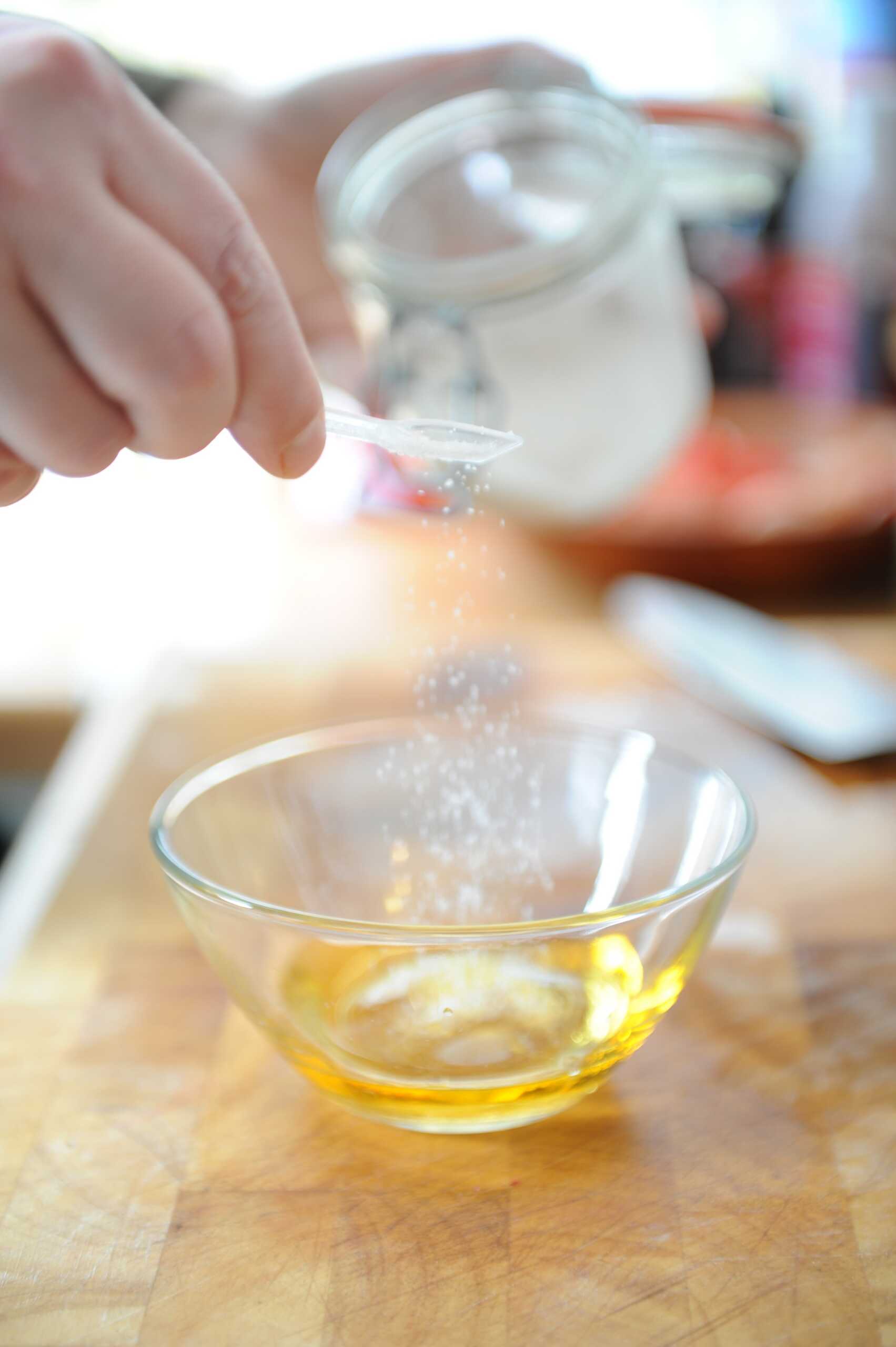
While the more outlandish hacks and gizmos from the era are okay left in the past, the simple hints endure. After all, they were born from real households, not showrooms. Vinegar still shines up a window. Baking soda still freshens a fridge, rescues a scuffed sink, and lifts a stain with a little patience and water. A soft cloth, a steady hand, and an old t-shirt can still revive a trusty piece of furniture that you want to hold onto for just a little longer.
The real charm of these tricks is that they call to mind a person rather than a product. We remember a family member weighing a problem in one hand and a solution in the other; being savvy was simply an aspect of life. These hacks make us remember the satisfaction of seeing something stubborn finally give way to a simple, well-timed nudge.
We live with different tools now, and that’s fine. But the heart of the ’70s household hint—the belief that care and ingenuity can outdo clutter and cost—feels as timely as ever. When the window smudges or a chair leg wobbles, there’s comfort in reaching for what’s already on hand. It’s a small way of honoring the people who taught us to keep house with patience, pride, and a little bottle of something strong under the sink.
More to Explore
SKM: below-content placeholderWhizzco for DOT