
Hairspray: The Cosmetic Breakthrough That Defined the ’80s
A nostalgic tour through the cans, tricks, and sky-high styles that defined a fearless decade of hair.
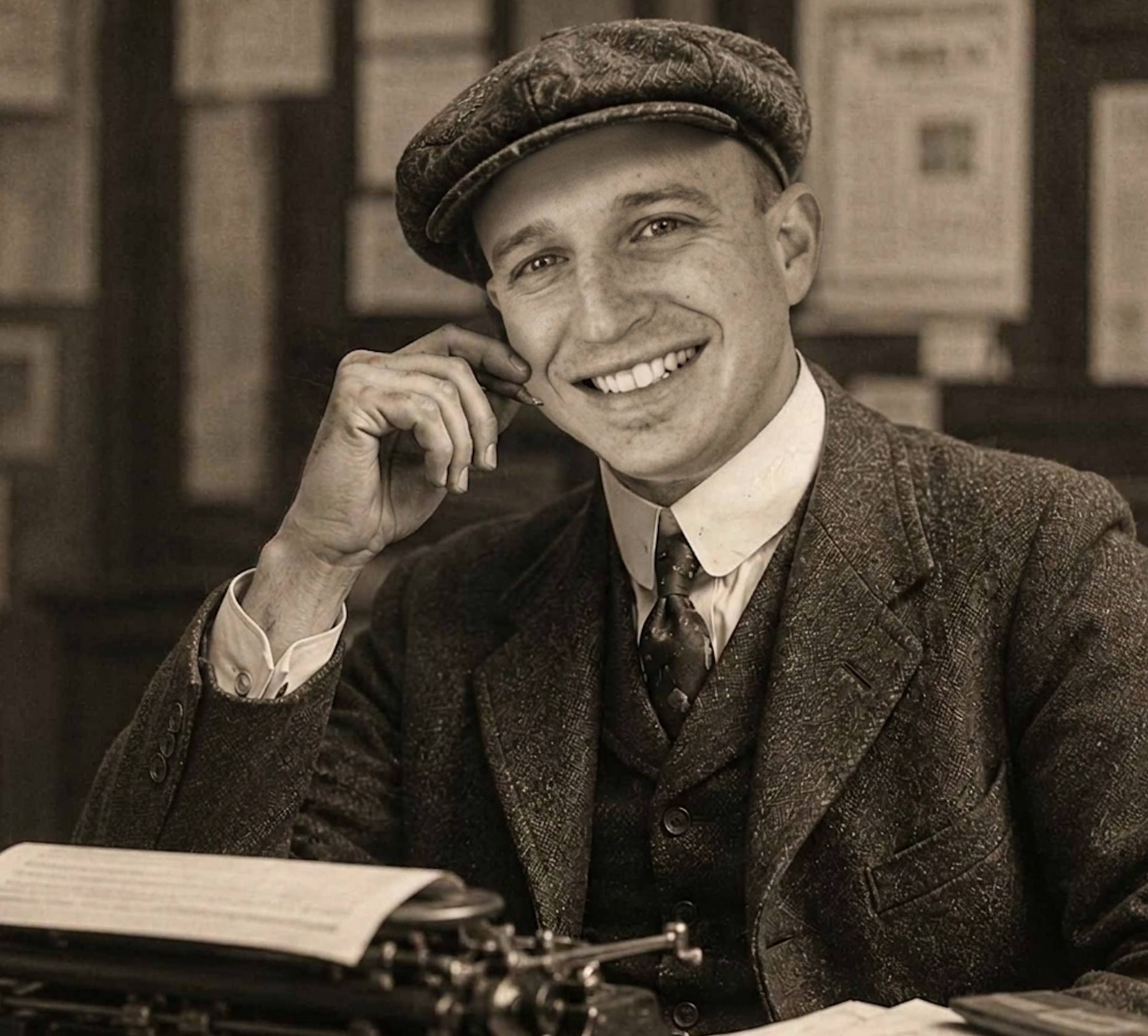
A nostalgic tour through the cans, tricks, and sky-high styles that defined a fearless decade of hair.
The memory plays out like a vibrant scene from years past: a high school bathroom in the early morning, hazy with strawberry-sweet mist, lockers clanking somewhere down the hall, and a chorus of hisses as bangs are coaxed into pillowy clouds. One last spritz, a pat to make sure it’s set, and off everyone goes to their first class. The copious amounts of spray make sure: that hair won’t dare move, no matter the weather (or the pep rally).
That signature spritz has a long backstory. Hairspray didn’t just arrive with Madonna videos and prom photos; the aerosol itself owed a debt to wartime ingenuity. The familiar can had roots in WWII malaria-spray technology, repurposed by beauty brands for something far more glamorous. In the 1950s, companies bottled that promise of hold—Helene Curtis even helped cement the language of it with the term “hairspray”—and for a couple of decades, it was the secret to lacquered bouffants and neat weekly sets.
The ’80s Comeback: From Set-and-Spray to Sky-High
By the 1970s, the tide had gone out. Wash-and-wear cuts ruled, and environmental worries over old propellants dimmed hairspray’s appeal. Then the ’80s hit, and the pendulum swung dramatically back. Music videos, glam metal, and a return to overt styling revived the appetite for volume. Formulas and propellants evolved without the worst of the past, and when CFC propellants were phased out and brands retooled, the product roared into a new era, opening the door for towering bangs and power perms.
Teenagers became the engine of the revival. Mousse and gel added shape, but the real magic was the last step: the spritz that froze it all in place. At the center of the many offered options, one purple-capped can became queen. By the late ’80s, Aqua Net was the top-selling drugstore toiletry. Its extra-hold version, tucked into bathroom cabinets and glove compartments across the country, practically became a rite of passage into being a cool American high schooler.
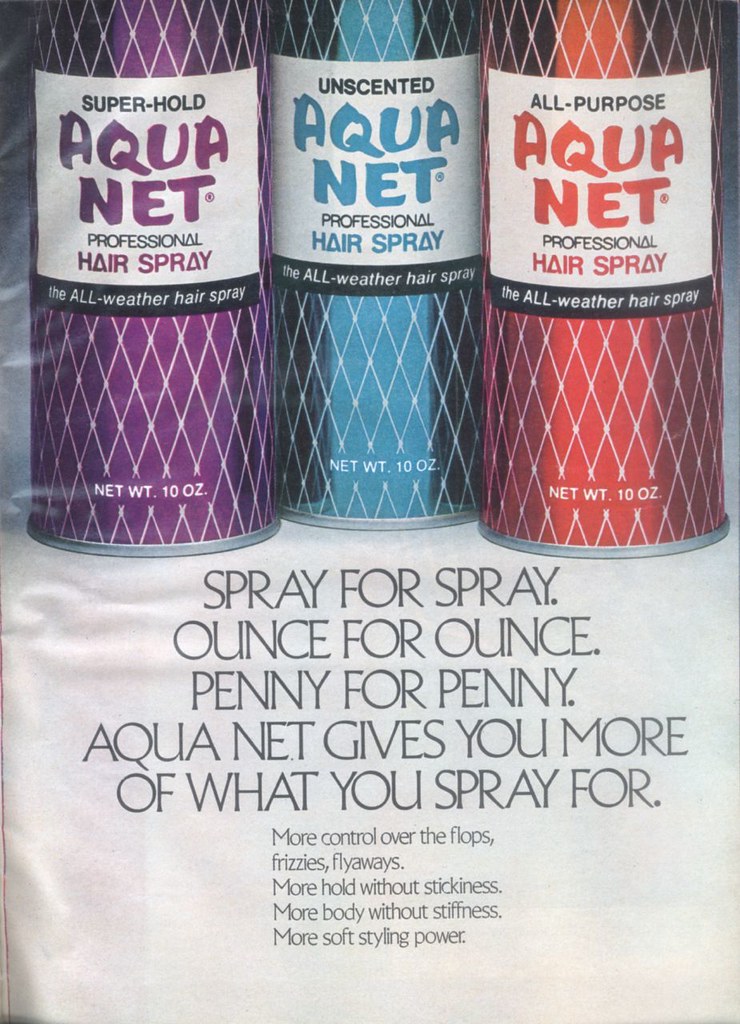
The Aisle of Icons: Cans That Ruled the Cart
Everyone had a favorite. Final Net promised sculpted control you could aim like an artist. Flex Net sold a “clean hold,” proving not all sprays had to feel crunchy. Dep’s Sculpt & Hold invited you to shape, then lock, like a finishing seal. Vidal Sassoon’s line leaned salon-chic, while Wella’s High Hair dared you to spike or slick to your heart’s content. L’Oréal’s Elnett—long the insider’s pick—whispered about micro-fine mists that brushed out when you changed your mind. Salon Selectives matched hold to hair type like a mix-and-match wardrobe. Jhirmack tapped the celebrity sheen of TV stars, and somewhere in many a dorm room sat Rave, a no-nonsense standby with a stubborn grip.
Labels mattered, but so did the hardware. Aerosol cans offered an even fog for “shellac mode,” perfect for setting teased crowns. Pumps, with their directional spritz, were the go-to for targeted fixes, catching a single flyaway, sharpening a flip, or giving just the fringe a bit of backbone. The scent–powdery, fruity, or faintly floral—-hung in the air and on jean jackets, a portable representation of the era.
Tease, Freeze, and Shine: The Tricks We Swore By
There was a method to the mayhem, an order of operations to the hair-styling scene. Hot rollers came first, then backcombing at the crown with a pick comb. A light mist underneath, a quick cool shot from the dryer, then one more pass over the surface to seal the silhouette. For bangs, the ritual was the most important part: curled, released, lifted with a hand as a shield, then sprayed from below and above for a sturdy, wind-proof ledge.
Perms got scrunched with gel, then finished with spray to keep their pep. Sleek looks (not just the mile-high ones) needed just as much product. Most popular for a slick backed look was a pump spray aimed along the part to keep everything glossy and flat. For lift at the roots, stylists swore by spraying the brush itself before pulling it through. Others misted clips, set them at the crown, and did one last all-over fog as the finishing touch. Who doesn’t remember the “emergency hack” passed down in laundry rooms? A blast of hairspray to pre-treat an ink or lipstick smudge before the wash did wonders.
Even pop culture got in on the joke and the joy. From a movie/musical titled Hairspray to stadium billboards pushing men’s holding sprays, the message was everywhere: hair wasn’t just a feature—it was an integral part of the cultural scene. Hair was a form of communication and signaled the formation of communities.
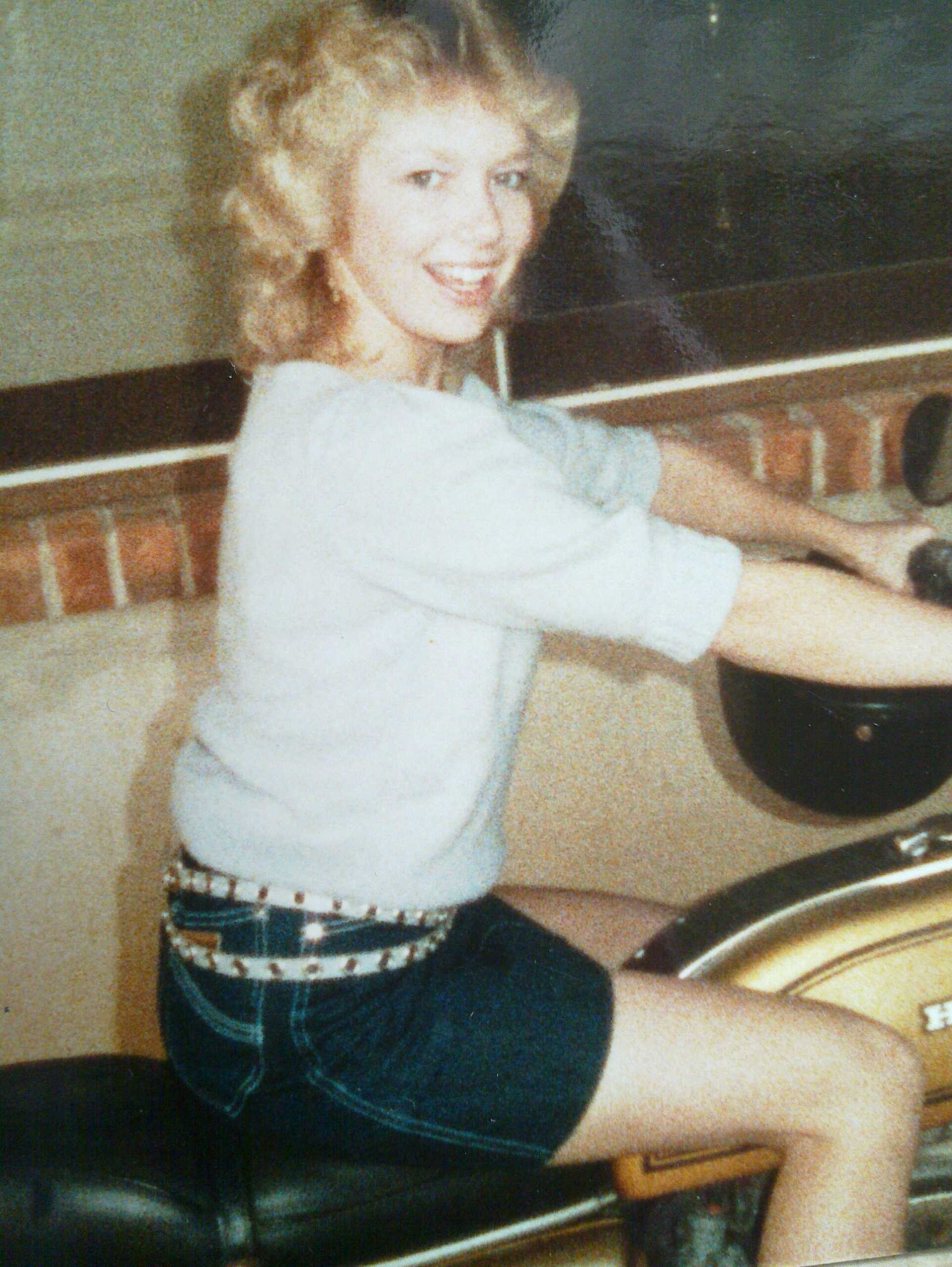

Looking back, it’s easy to smile at the photographs—the gravity-defying bangs, the football helmets of curls, the solemn art of not moving your head too quickly. But there was a real creativity at play, too. With a can in hand, you could be an architect. You could add a little structure here, smooth a ridge there, sign your work with shine. The era taught a lesson that still lingers in modern formulas: hair can be a vehicle for creative freedom. What’s more, having hair that stays creates confidence. Trends have softened, and most days in this era call for movement rather than immobility, but sometimes a special night still asks for the old ritual—a lift, a mist, and that unmistakable, time-traveling hiss.
More to Explore
SKM: below-content placeholderWhizzco for DOT