
The Night the Music Paused at the Dakota: Remembering John Lennon
How John Lennon’s ordinary last hours became an extraordinary shared memory and why it still lingers for those who lived through it.
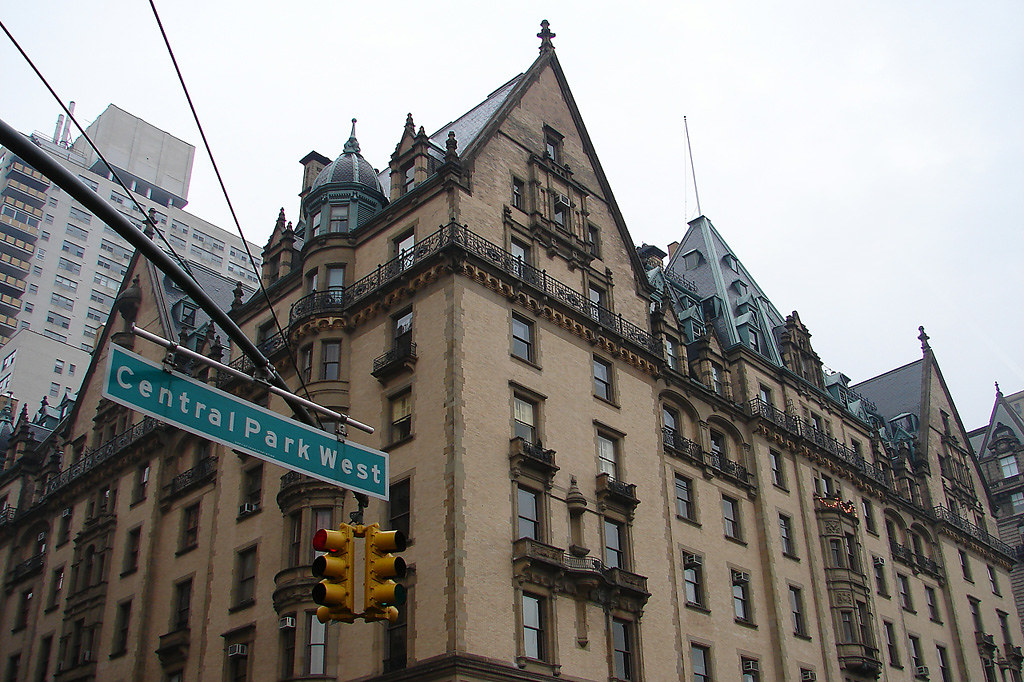
It was a Monday night in early December, a quintessential New York evening. Cold air swept under the archway of John Lennon’s residence–the Dakota. Yellow cabs slid past, doormen swapped small talk. John Lennon and his wife, Yoko Ono, stepped out of their limousine, heading for the sanctuary of their home just a few yards away. As he casually walked across the sidewalk, the musical world was forever changed. Lennon strolled through the lobby doors and was met by a familiar face, a fan that he had met earlier in the day. In a stunning moment, that fan pulled out a revolver, firing five rounds into Lennon’s back. Staff scrambled, Yoko cried out for help, and a sense of the unthinkable settled over the building.
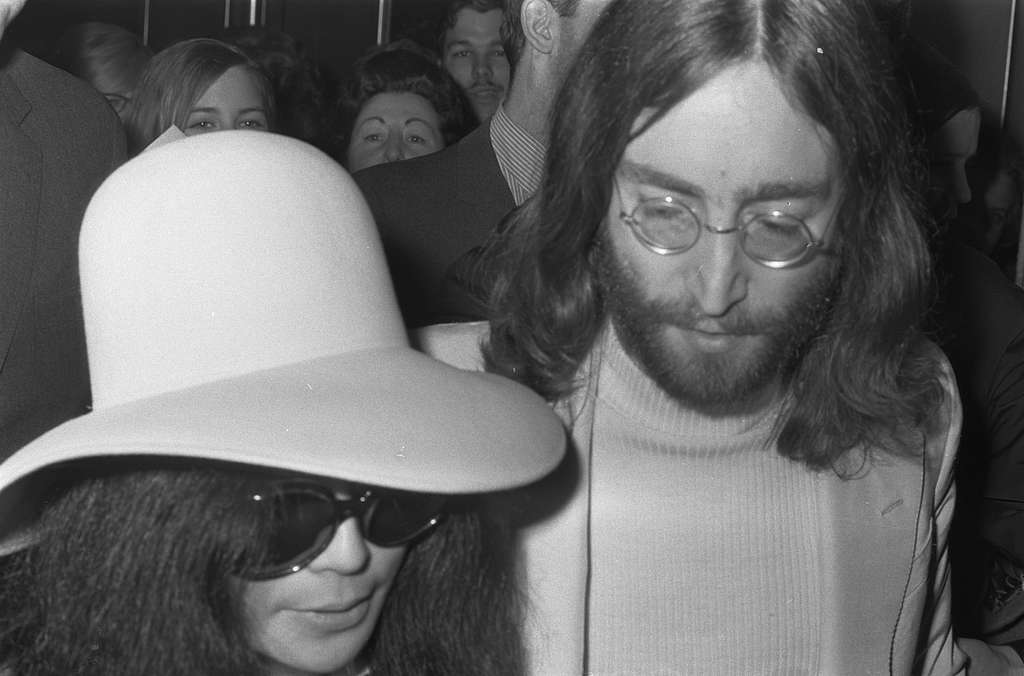
Prior to his death, Lennon was emerging from quiet years spent mostly at home, raising his young son, and easing into a creative second act. A new record, Double Fantasy, had reintroduced him just three weeks earlier. This new record spurred a reunion with the public that felt hopeful and domestic all at once—more kitchen-table wisdom than stadium shout, and meant to be a celebration of a more introspective kind of music.
A Quiet Day
The hours leading up to that night looked, in so many ways, like a beginning rather than an ending. There was a haircut squeezed in before a photo session with Annie Leibovitz, where Lennon pitched a tender, oddly playful idea: he would curl up nude beside a clothed Yoko, a testament to intimacy and devotion. After his death, the image would become the iconic Rolling Stone cover that landed weeks later, transforming his last day of work into a lasting emblem of their bond. There was a radio interview that afternoon where Lennon talked about music, marriage, and art in the city that had adopted him. He was signaling a new artist chapter. A rebirth.
Outside the Dakota earlier that day, a young man waited with a copy of Double Fantasy. Lennon paused, signed the sleeve, and moved on. Everything about the day—work schedules, photos, interviews, smiles directed towards fans—felt gentle and routine. In the end, those final hours were ordinary in the most heartbreaking way—filled with work, dinner plans, and thoughts of getting home early to see his child.
What makes the day so piercing isn’t only the violence that followed, but the rhythm that preceded it: a middle-aged artist in love with his family, in conversation with his past, and still believing the future had room for new songs.
The Moment and the Message Fans Can’t Forget
As Lennon and Ono returned to the Dakota that evening, the man he had greeted earlier stepped from the shadows and fired. Lennon stumbled inside. A building employee—eyes wide, heart racing—saw him, and heard the words that would lodge in the world’s throat: his last words were, simply, “I’m shot.” Police arrived swiftly; the shooter, a deranged fan named Mark David Chapman, stayed on the scene. By the time Lennon reached the hospital, he was gone. He was 40 years old.
Even decades later, many who were children or teenagers in 1980 can summon the exact crackle of the radio, the tone of a late-night TV interruption, the feeling of the room when the news broke. It was not just the end of a life, but the sudden rupture of a thread tying people to their own youths—to the harmonies that carried them through classrooms, letters, long car rides, and first apartments.
Grief That Became a Generation’s Landmark
In the days that followed, New Yorkers gathered outside the Dakota and in the park across the street, candles trembling in the winter wind as strangers sang. Elsewhere, fans found each other in record shops and living rooms, stacking Beatles and solo albums like family photo collections. The public mourning felt communal and tender: part tribute to the musician, part vigil for the ideals he’d come to symbolize—peace, wit, irreverence, and a stubborn belief that the world could be kinder.
At the heart of why Lennon’s last night still haunts is the contrast. He had been writing and recording again, creating stories about the everyday. The shock lay in how close the ordinary brushed against the catastrophic. That dissonance, between a man thinking about dinner and bedtime stories, and the history-making violence on the sidewalk, lingers.
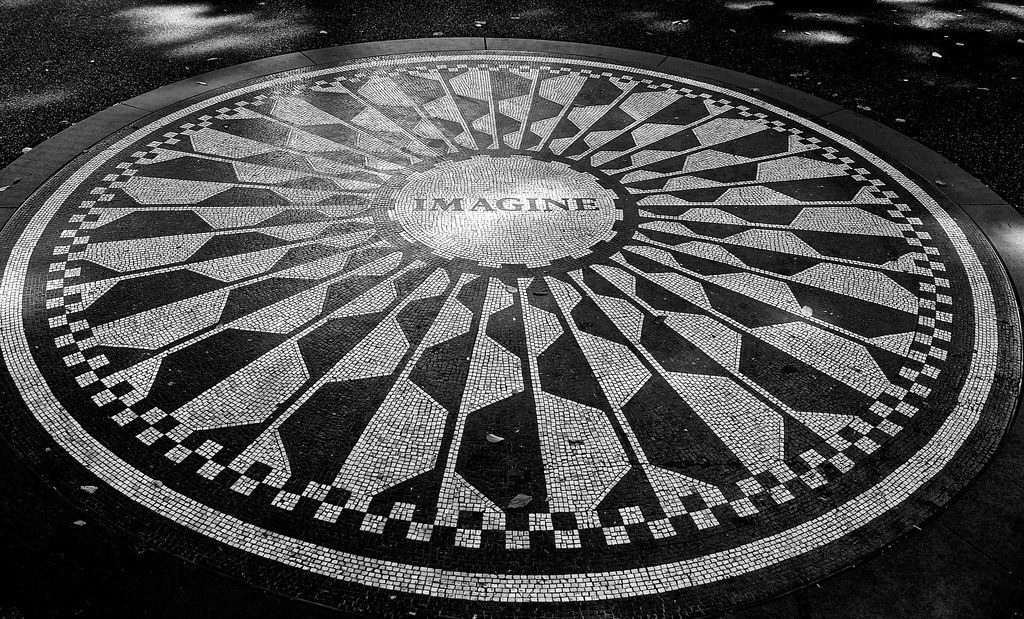
The story continues to be told and retold—by anniversaries that bring fans back to the park, by young listeners meeting his voice for the first time, and by new documentaries and interviews that sift through the hours and minutes leading up to the moment the music paused. Over and over, the memory circles back to love: a partner at his side, a child waiting at home, a city he had chosen, and millions of listeners who felt they knew him. In that sense, the last night is not only a tragedy; it is a reminder that powerful yet simple songs keep company with our lives; that an ordinary day can turn historic; and that the echoes of a single voice can carry across generations—-softly, insistently, continuously.
More to Explore
SKM: below-content placeholderWhizzco for DOT