
How Karen Carpenter Became One of the Greatest Voices of the ’70s — And What It Cost Her
Karen Carpenter’s musical legacy and tragic struggle with anorexia inspire compassion and increased awareness.

The story of Karen Carpenter is one of breathtaking talent, soaring success, and quiet tragedy. As half of The Carpenters, she helped define the sound of 1970s easy listening and became one of the era’s most recognizable voices. Yet behind the smooth harmonies and polished performances, Karen was struggling with profound personal challenges that would eventually cost her life. Looking back on the untold truth of Karen Carpenter is a reminder of both her extraordinary musical legacy and the human cost of her hidden illness.
Karen Carpenter was born on March 2, 1950, in New Haven, Connecticut, into a family that already revolved around music. Her older brother Richard was considered a child piano prodigy, and when the Carpenters moved to Downey, California in 1963, the stage was set for the siblings to grow into a musical team. In high school, Karen joined the band and first picked up the glockenspiel. She did not enjoy the instrument, so she begged her parents for a drum set. They eventually agreed, buying her a Ludwig kit that cost $300 at the time, the equivalent of thousands of dollars today. It proved to be a life-changing investment.
They eventually agreed, buying her a Ludwig kit that cost $300 at the time, the equivalent of thousands of dollars today. It proved to be a life-changing investment.
Karen threw herself into drumming, learning complex beats within a year and developing a reputation as a gifted musician, not just a singer. In 1967, she won the prestigious John Philip Sousa Band Award and attended Cal State University at Long Beach, where both she and Richard joined the choir. A choir director recognized something remarkable in Karen’s voice and helped her refine a three-octave range that would become one of The Carpenters’ defining features. The director reportedly believed she had the potential to become a star, and history proved that instinct correct.
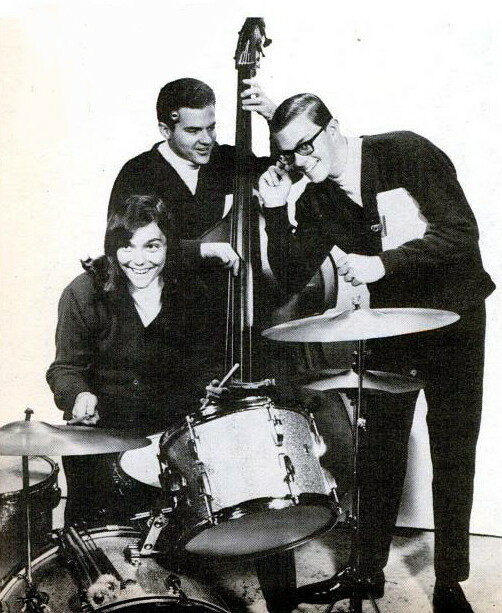

Before they were The Carpenters, Karen and Richard tried out a series of musical identities. Karen’s first group, Two-Plus-Two, was a trio of girls from Downey High School. It dissolved after she asked if Richard could join, and the siblings formed the Richard Carpenter Trio with bassist Wes Jacobs, a college friend of Richard’s. Karen played drums, and the group signed with RCA Records, recording two instrumentals that ultimately went unreleased. When Jacobs left in 1967 to continue his classical music path and later join the Detroit Symphony Orchestra, only Karen and Richard remained. They experimented with different sounds and briefly formed another band called Spectrum, opening for Steppenwolf but not finding major commercial success with their middle-of-the-road style.
The Breakthrough That Changed Everything
In 1966, a session with bassist and producer Joe Osborn marked a turning point. Osborn was so impressed by Karen’s singing that he signed her to Magic Lamp Records, a small label that soon folded. Even so, those early sessions helped the siblings gain traction. In 1968, billed as The Dick Carpenter Trio on the television program Your All American College Show, they reached the finals with Karen both drumming and singing “Dancing in the Street.” They continued making demos with Osborn, and one of those recordings landed in the hands of Herb Alpert at A&M Records. In April 1969, Alpert signed The Carpenters to a contract, later saying that Karen’s voice simply touched him and that it felt like the right time to bring them on board.
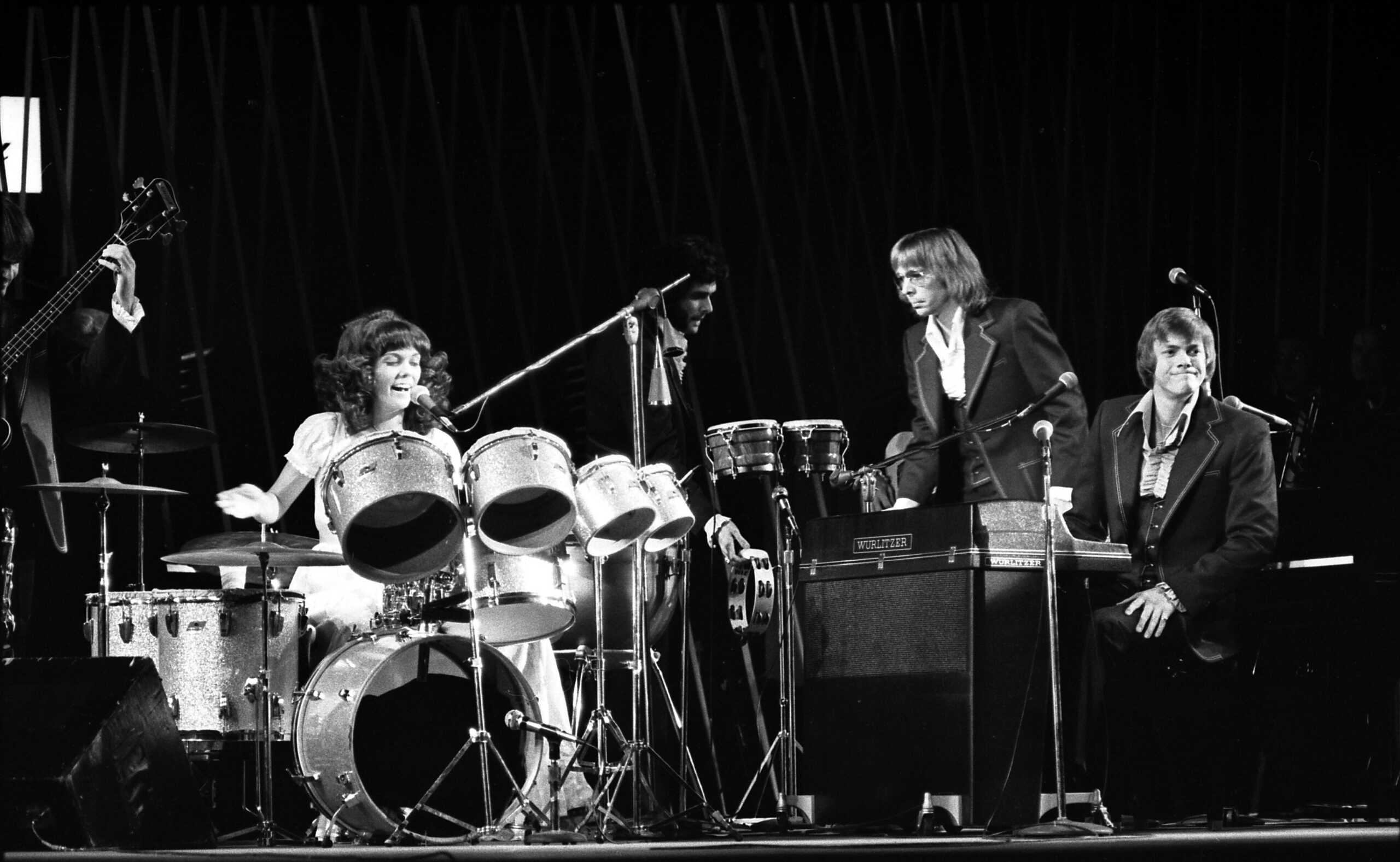
In the early days, Karen sang from behind her drum kit. She was only about 5 feet 4 inches tall, and audience members sometimes complained that there was no clear focal point on stage. This practical issue led to a major artistic shift. Karen stepped out from behind the drums and into the spotlight as the group’s frontwoman. From there, The Carpenters became one of the decade’s biggest pop sensations, winning five Grammy Awards and earning several additional nominations. Their songs were everywhere, and their clean sound and emotional sincerity resonated deeply with listeners around the world.
The Struggles That Fame Couldn’t Hide
Yet while the music seemed effortless, the mid to late 1970s were marked by strain behind the scenes. The Carpenters canceled a 1975 tour because Karen’s health had become too fragile. At the time, the public was told little about what was happening, and her condition was described as “weak.” In reality, she was struggling with a serious eating disorder that remained largely undisclosed. At the same time, Richard developed an addiction to Quaaludes and eventually stepped away to seek treatment, leading the duo to take a hiatus from their relentless schedule.
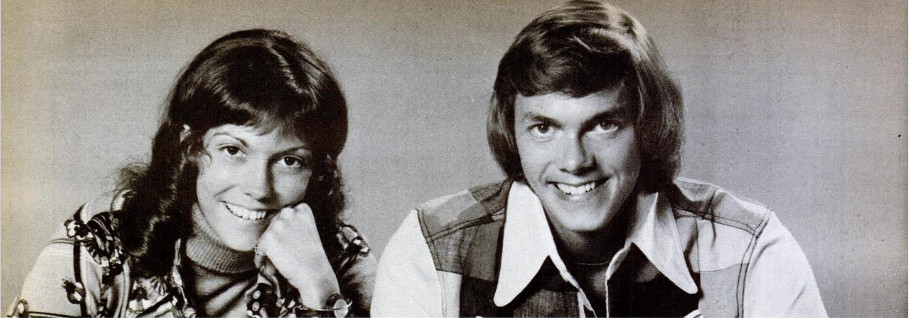

During this break, Karen tried to branch out artistically and recorded a solo album with producer Phil Ramone. It was a deeply personal project, but when the record label and Richard heard the tracks, they disliked the material and shelved the release. Some songs emerged only after her death, and the full album was not released until 1996, by which time it had taken on the air of a poignant “what might have been” chapter in her story.
Karen also pursued personal happiness away from music. She wanted to marry and have children, though she knew that heavy touring could make family life difficult. She eventually met real estate developer Thomas James Burris, a divorced man nine years her senior with an 18-year-old son from his previous marriage. The relationship progressed quickly and they married after a brief courtship. Outwardly, it might have looked like a fairy tale ending, but the reality seems to have been far more painful. Karen wanted children of her own and later learned that Burris had undergone a vasectomy and refused to reverse it. Close friends later described the marriage as one of the worst experiences of her life and suggested that he had been abusive. The relationship ended after only 14 months, leaving Karen emotionally devastated.
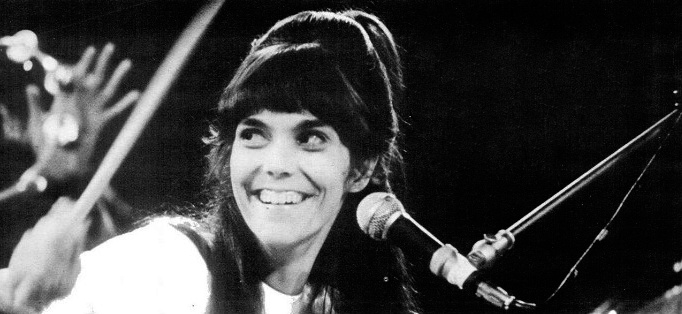

Her struggles with body image and weight had begun years earlier. As a child she was healthy, and as a teenager she started dieting like many young people do. For a while, she maintained a consistent weight, but after seeing a photograph of herself from a performance, she reportedly felt unhappy with how she looked. In 1973, she hired a personal trainer in the hope of slimming down, then let the trainer go when she gained muscle instead of becoming smaller. From there, her focus shifted to extreme dieting, obsessive calorie counting, and unhealthy habits that led her to lose more than 20 pounds.
The Final Years and What Came After
By late 1975, Karen was visibly gaunt and severely underweight. Fans gasped when she walked on stage, confronted in person with how thin she had become. She used multiple medications to push the weight loss further, even using both her married and stage names to obtain more prescriptions. In 1981, she finally told Richard she had a problem, a confession that came after years in which those around her felt helpless and unsure how to intervene. Her condition deteriorated until September 1982, when she was admitted to a New York hospital. Doctors helped her gain some weight back, and by November she returned home to California. She resumed public appearances and began working on new music with Richard, and from the outside it may have seemed as if she was turning a corner.
Fans gasped when she walked on stage, confronted in person with how thin she had become.
On February 1, 1983, Karen and Richard met to discuss an upcoming tour. It would be the last time he saw her alive. On the morning of February 4, Karen collapsed at her parents’ home. Paramedics found her with a barely beating heart and rushed her to the hospital, but her body could not withstand the trauma. She died at the age of 32. It was later revealed that she had suffered heart failure resulting from complications of anorexia. In the wake of her passing, the word “anorexia” entered public conversation with new urgency, and many people connected the term to Karen’s story for the first time.
The aftermath of her death was filled with grief but also with a determination to help others. Her family created the Karen A. Carpenter Memorial Foundation to support research on eating disorders and related resources. That organization later evolved into the Carpenter Family Foundation, which continues to support a range of charitable causes, still including work on eating disorders. Today there is a National Eating Disorder Association hotline where people can connect by call, text, or online chat with trained professionals. Anyone struggling with disordered eating should reach out to a doctor and seek help both in Karen’s memory and for their own future.
Karen Carpenter’s influence has never truly faded. Her voice, rich and unmistakably sincere, continues to reach new listeners through recordings that feel timeless. In 2010, Rolling Stone named her among the top 100 greatest singers of all time, an acknowledgment of what many fans have always felt: that no one else quite sounds like her. For those who grew up with The Carpenters, songs like “Close to You” or “We’ve Only Just Begun” are closely tied to memories, family, and a sense of comfort. Remembering the untold truth of Karen Carpenter means honoring both her extraordinary gifts and the very real person behind the microphone, whose struggles helped spark a broader awareness of eating disorders and the need for compassion and support.
More to Explore
SKM: below-content placeholderWhizzco for DOT