

Picture a Friday night in 1986: the console TV hums inside a wood-grained cabinet, its red LED clock daring someone to finally set it from 12:00. A VCR blinks on the shelf below, a tangle of cables hidden behind the smoked-glass door. On one side, twin speakers stand like sentries; on the other, a silver-faced stereo stack awaits the satisfying click of “Tape 1” or the gentle drop of a turntable arm. Nearby, a scuffed boombox—batteries taped in place—keeps an edited mixtape at the ready, just in case someone calls for a dance break during commercials.
For many households, the 1980s entertainment center wasn’t just furniture; it was the heartbeat of the family room, turning ordinary evenings into pop-culture memories.
Evolving Technology
From the ’70s to the ’80s, the big shift was speed and choice. In just a decade, the typical living room shifted from a lone TV and maybe a turntable to a full-on command center of gear—receivers with glowing meters, tape decks with soft-touch buttons, and televisions that now answered to pocket-sized remotes. Component stereos moved from hi-fi specialty shops into mainstream catalogs, often bundled into tidy racks that promised “serious sound” without the scavenger hunt. It was the age of tidy LED readouts, quartz tuning, and the minor miracle of pressing Mute from the couch.
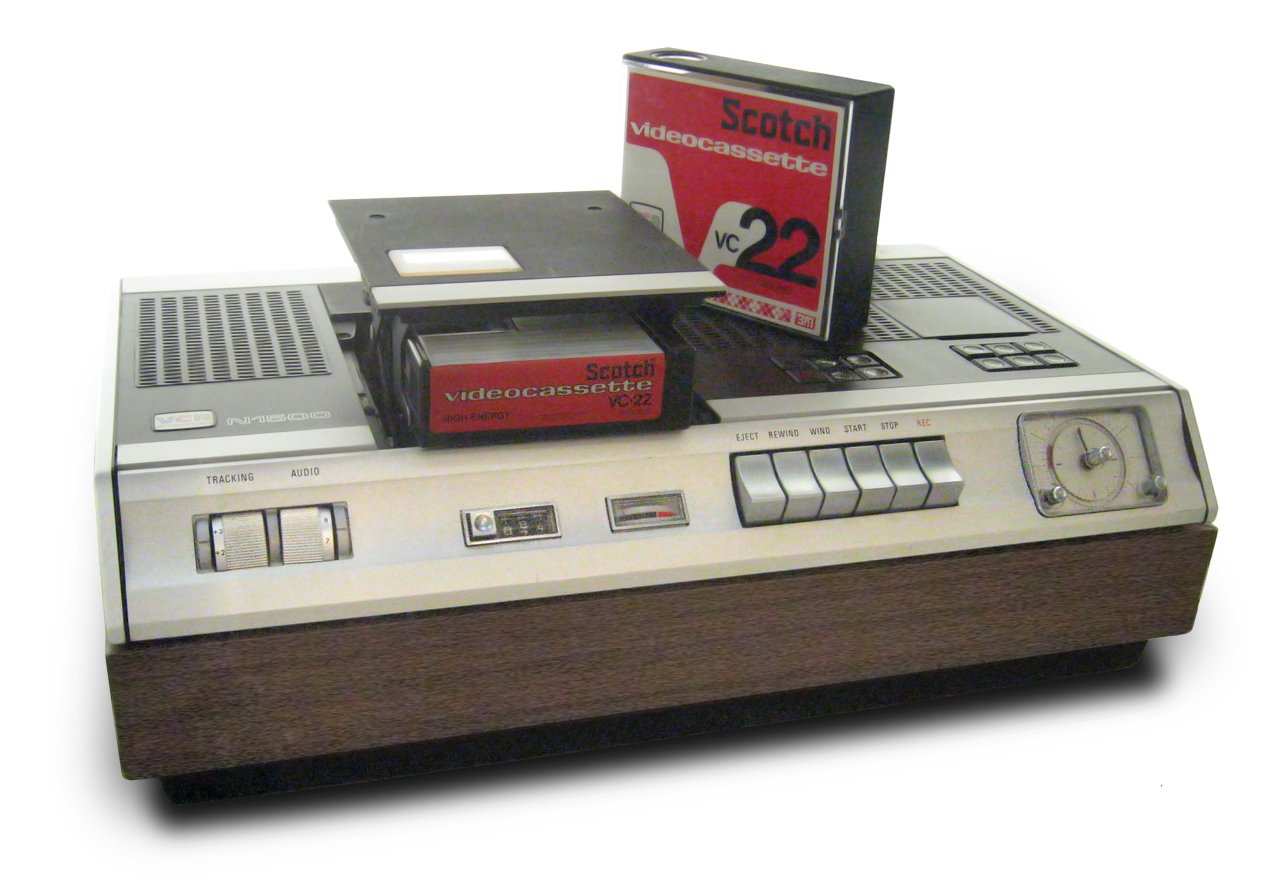

Television itself was growing up. Screen sizes crept upward; rabbit ears gave way to coaxial jacks; and features that once seemed like luxury add-ons—on-screen displays, sleep timers, and closed captioning—began to feel standard. Many sets still wore the look of furniture, their faux-wood frames blending into paneled dens and shag-carpeted basements. In smaller rooms and kitchens, portables followed along, their silver trim and plastic knobs ready to bring the game into earshot while dinner simmered; pop videos turned living rooms into neon-lit dance floors; and appointment television slowly began to loosen its grip as recording at home edged closer to routine. The family TV schedule suddenly had wiggle room.
Tape, Disc, and the Joy of Control
While the TVs were new, the soundtrack still felt personal. Cassettes reigned—big-hearted, hiss-prone, wonderfully democratic. A double cassette deck made DJs out of teenagers, who could dub slow jams in one room while Mom queued up an Eagles record in another. The Walkman ushered music into bedrooms, buses, and quiet corners, while the boombox carried it back out into parks and parking lots. The feeling was simple but thrilling: choose the song, set the order, take it with you.
On the video side, the VCR became the gadget that most changed the family routine. Saturday afternoons might include a trip to the rental store, the promise of a plastic clamshell, and a bowl of microwave popcorn later that night. Whether you cheered for VHS or swore by Betamax, timers were set and tapes were labeled in tidy handwriting. Early adopters even flirted with the gleam of big discs—the 1980s saw the development of multi‑channel audio systems and LaserDisc—a peek at cinema quality that hinted at what the future might hold.
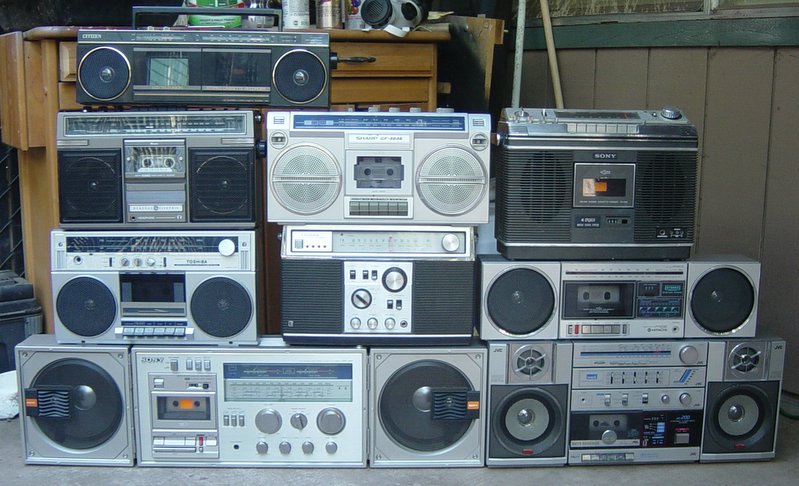

Then, almost overnight, the compact disc arrived. Those mirrored circles slid into living rooms in the mid-1980s with their promise of no pops and crackles. Some households blended eras—CD player on top, turntable in the middle, cassette deck below—stacked like a timeline.
Bringing the Theater Home—Sort Of
Looking back, it’s fun to follow how home theater crept in. Stereo TV broadcasts began to meet up with HiFi VCRs, and retailers started bundling gear to chase a movie-night experience beyond simple mono sound. In 1983, one major mail-order outfit even debuted a then-cutting-edge bundle, a “Pleasure Center” entertainment system that paired audio and video with unusual seriousness for the time. Rear-projection TVs loomed large at appliance stores, and living rooms stretched to make space. The promise was clear: movies could be at home, as they were meant to be heard.
Still, most families lived in a friendly middle ground. A well-loved stereo provided the muscle; the TV took the starring role; and the VCR made everyone a programmer. You learned the personality of your equipment—the VCR that needed a gentle tap to eject, the tracking wheel that smoothed a stubborn tape, the receiver whose left channel liked a little wiggle. There was pride in figuring it out and holding on to equipment for some. Others constantly wanted to keep up-to-date with the newest and shiniest technology.
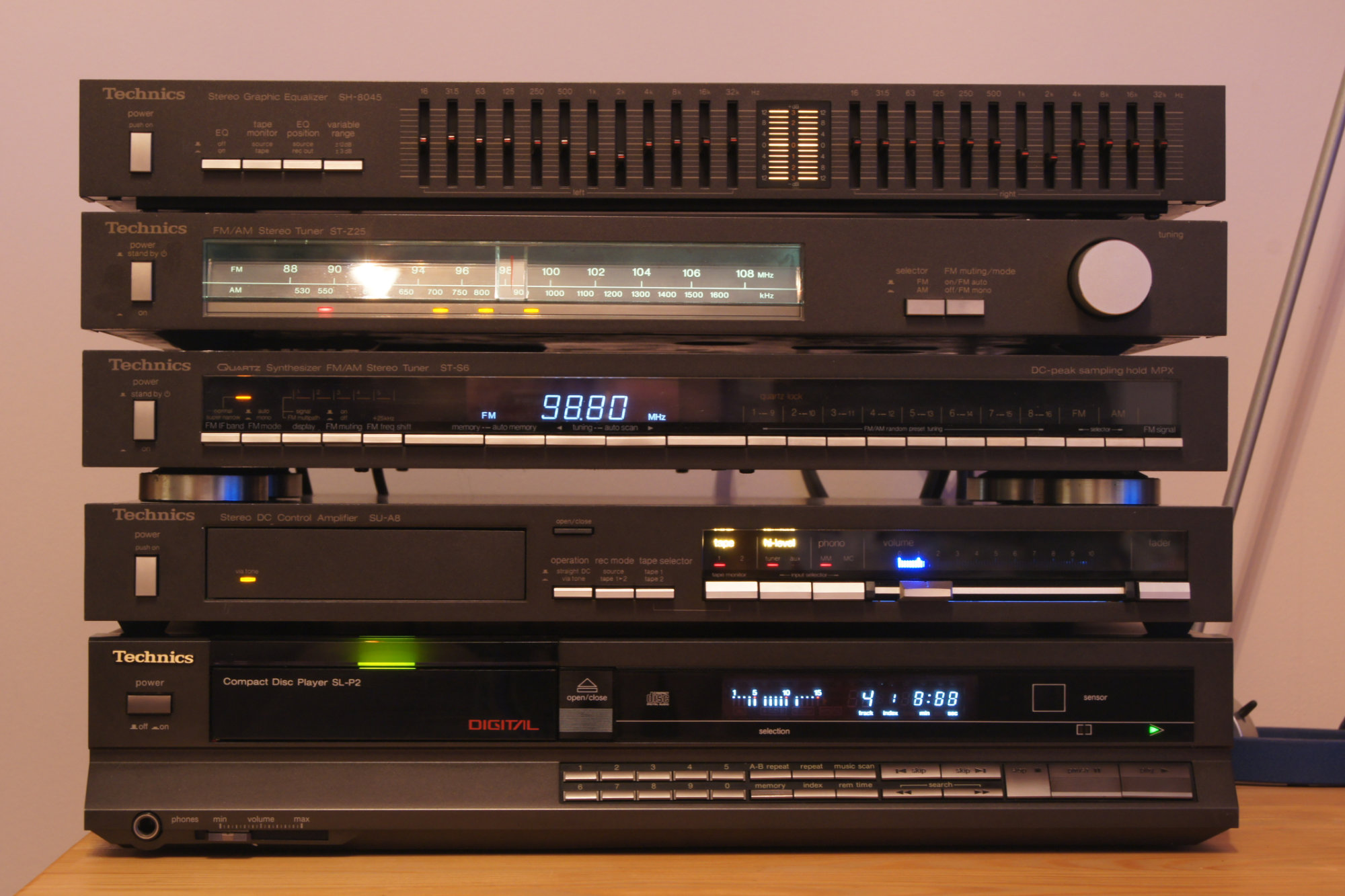

What stands out most now isn’t just the innovation of the technology but the experience. Flipping through a tower of tapes to find Back to the Future. Negotiating over who held the remote. Sliding a record into its sleeve as the closing credits rolled. The room itself played along: cords tucked behind cabinets, components stacked like skyscrapers, and speakers angled just so towards the couch.
Today, a slim soundbar and a menu of streaming apps can summon almost any song or film in seconds. It’s sleeker, simpler, astonishing. But the 1980s entertainment center offered a different delight—the feeling that you were building an experience from parts, pressing Play not only on a machine but on an evening. Perhaps that’s why those big cabinets and blinking displays still glow warmly in memory. They turned houses into hangouts, and weeknights into events.
More to Explore
SKM: below-content placeholderWhizzco for DOT