
How General Hospital and The Doctors Changed Daytime Drama
The twin 1963 debuts of General Hospital and The Doctors reshaped daytime drama, launching long-running medical soap traditions.
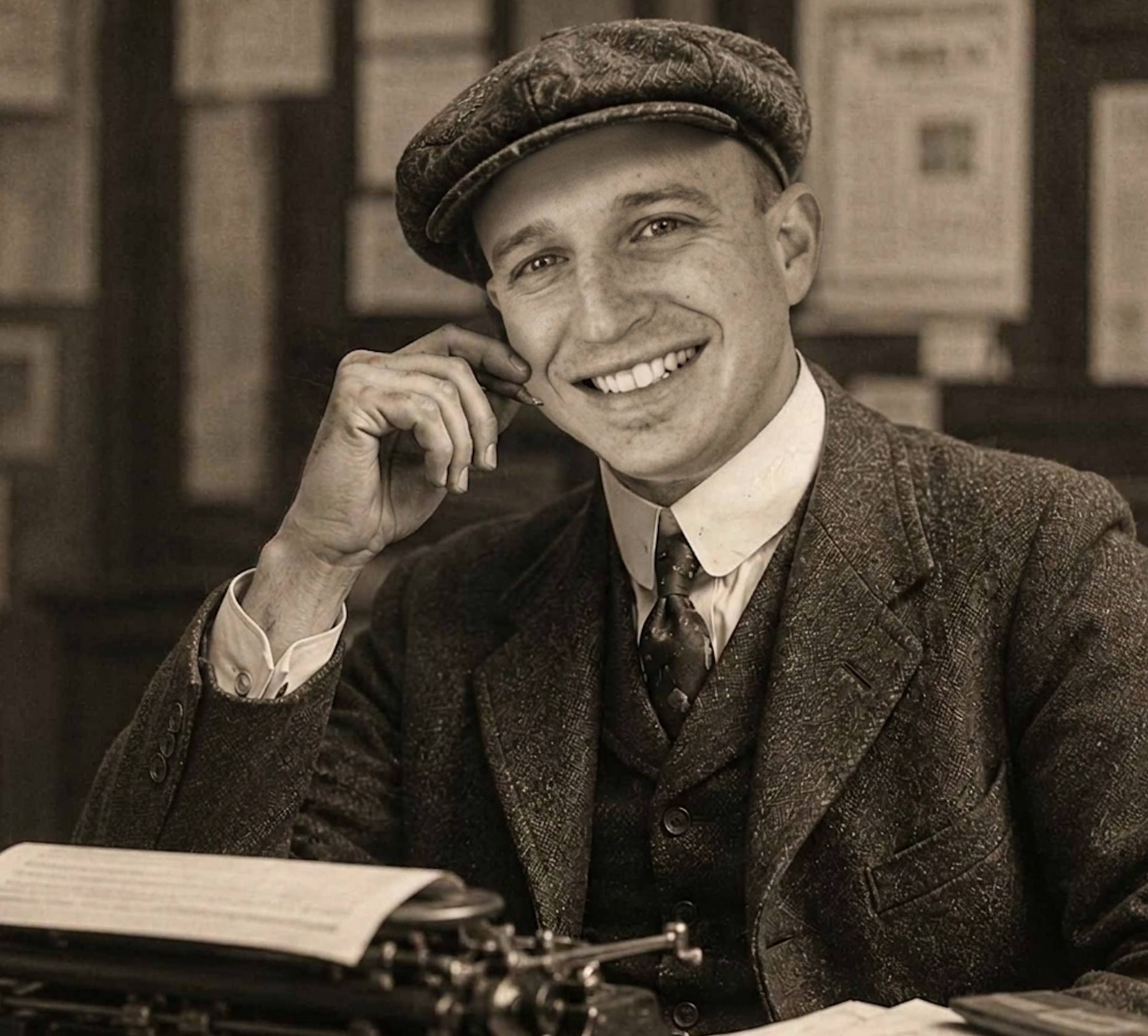
On April 1, 1963, daytime television quietly changed course when two new medical-themed soap operas premiered within hours of each other. ABC introduced viewers to “General Hospital,” while NBC countered with “The Doctors.” Both shows tried to tap into the growing fascination with medical drama that prime-time hits such as “Dr. Kildare” and “Ben Casey” had already sparked. What began as a strategic programming decision became a defining moment in the history of American soap operas and, in the case of “General Hospital,” the start of the longest-running serial program produced in Hollywood.
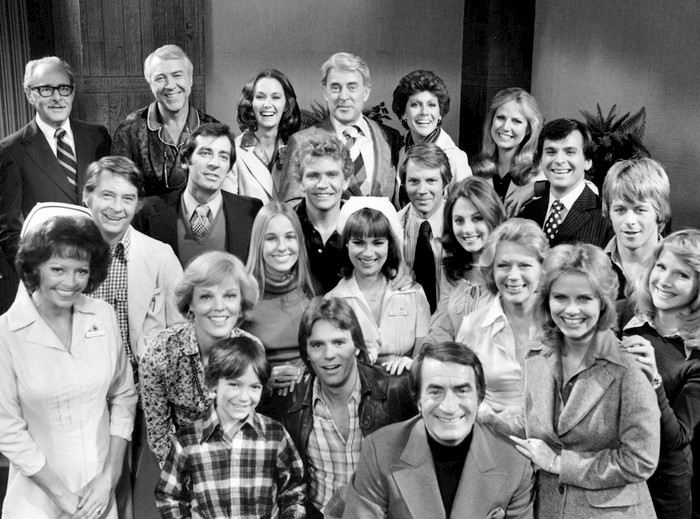

What began as a strategic programming decision became a defining moment in the history of American soap operas.
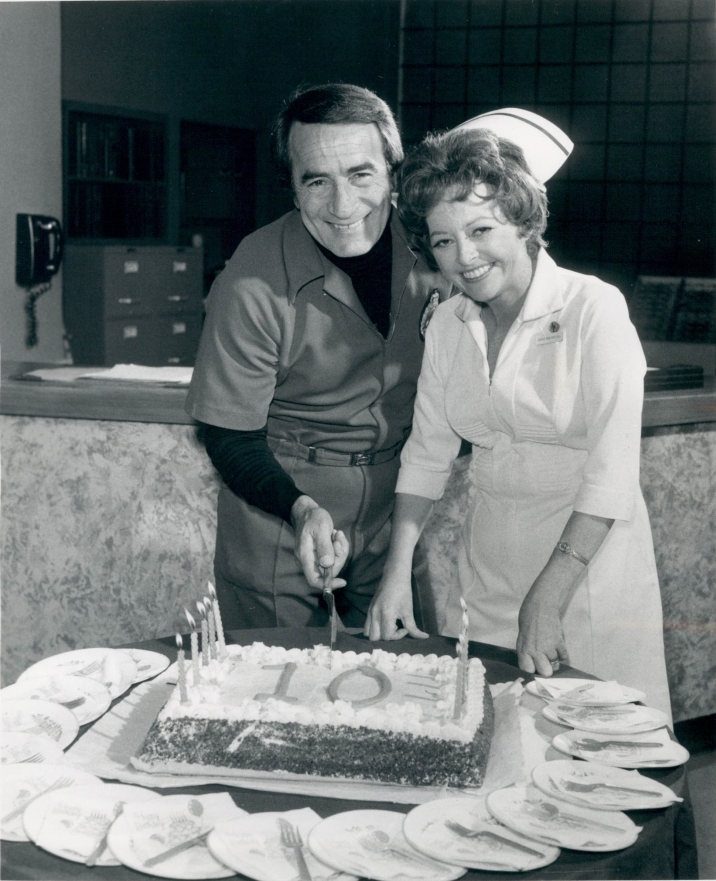
“General Hospital” transported audiences to the fictional upstate New York town of Port Charles. The series focused on the personal and professional lives of the doctors, nurses and patients who moved through the corridors of its namesake hospital. Among its earliest central figures were Dr. Steve Hardy, played by John Beradino, and Nurse Audrey March, portrayed by Rachel Ames. Through them, viewers were invited into a world where medical crises blended with emotional turmoil, romantic entanglements and family drama. The hospital setting provided a natural backdrop for high-stakes scenarios yet the heart of the show lay in how characters navigated their loyalties, ethics and relationships.
Two Shows, Two Different Paths
Over on NBC, “The Doctors” offered a different take on the same basic premise of a hospital-centered soap. Set in the fictional New England town of Madison, it centered on Hope Memorial Hospital and its chief of staff, Dr. Matthew Powers, played by James Pritchett. At first, “The Doctors” took the form of an anthology series, with each episode built around a single, largely self-contained storyline. This structure distinguished it from more traditional serial storytelling and allowed the show to highlight one focused medical or personal dilemma at a time.
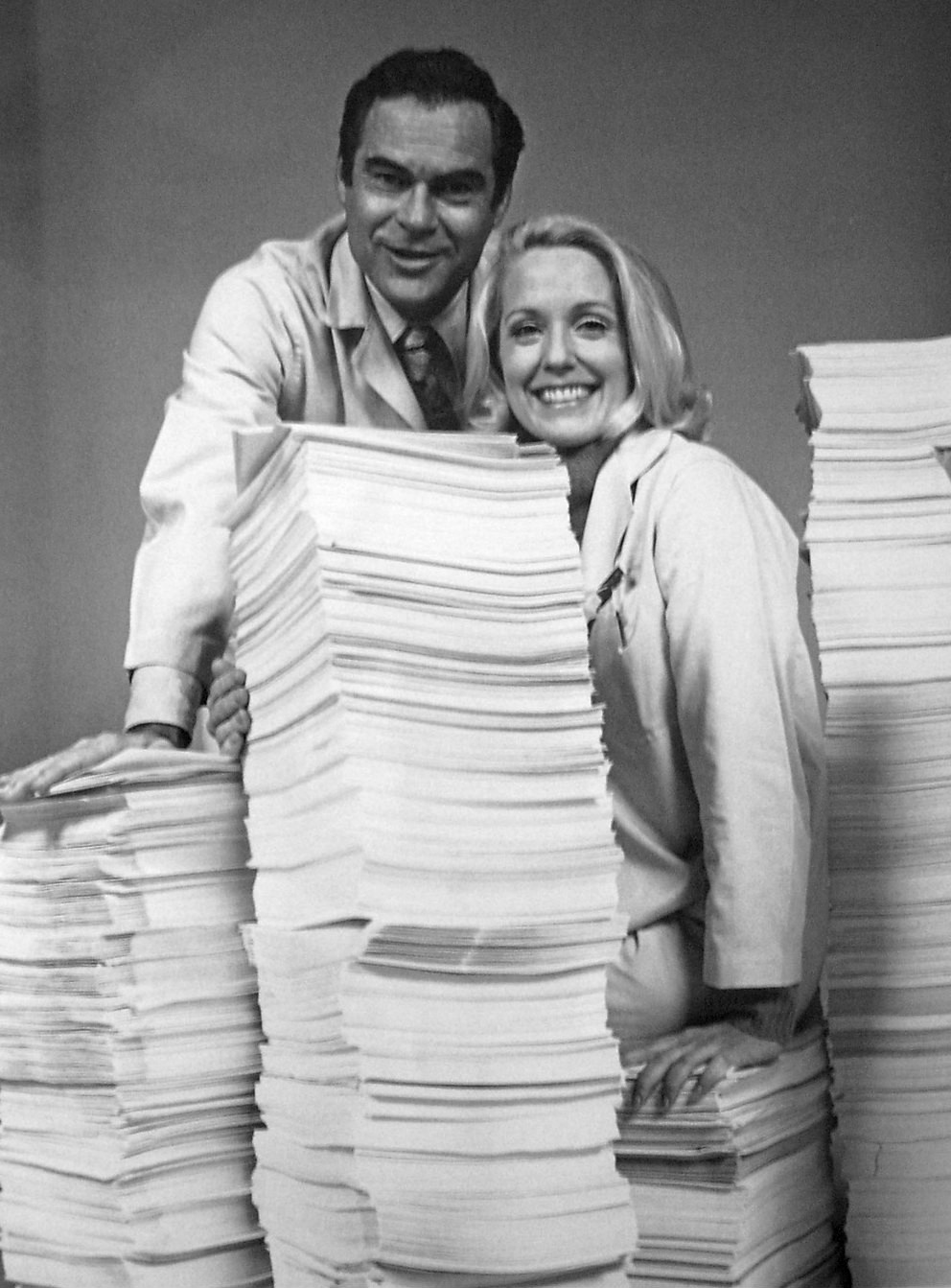

That format, however, did not remain in place. “The Doctors” gradually evolved, first into a weekly serial and then into a full daily soap by March 1964. As it grew into a more conventional daytime drama, viewers were able to follow longer arcs and become more deeply invested in the characters’ ongoing lives. The show was heavily backed by Colgate-Palmolive for most of its run, with products like Fab detergent, Palmolive dish liquid and Irish Spring soap consistently associated with the series. Its tagline, announced at the start of each episode, described it as “a daytime drama series dedicated to the brotherhood of healing,” a concise summary of its focus on caregivers and their commitment to medicine.
Recognition soon followed. “The Doctors” received multiple Emmy Awards, including Best Daytime Drama in 1972 and again in 1974. Elizabeth Hubbard, who played Dr. Althea Davis, earned the Best Actress Emmy in 1974, while James Pritchett was honored as Best Actor in 1978. The series also became a showcase for talent that would go on to broader fame. Performers such as Ellen Burstyn, Alec Baldwin, Kathleen Turner and Armand Assante all appeared on the show, tying it to a broader acting legacy beyond daytime television. These accolades reflected not only the strength of its writing and performances but also the cultural presence it held during its peak years.
Despite those high points, “The Doctors” could not escape the pull of declining ratings. After 1975, its audience began to shrink steadily. Changing tastes, increased competition and shifts in daytime schedules all played a part. The show was eventually canceled in 1982, only months shy of its twentieth anniversary. The end of “The Doctors” closed a significant chapter in televised medical drama, yet its two-decade run demonstrated how deeply viewers had once invested in the daily lives of fictional hospital staff and patients.
How General Hospital Came Back From the Brink
“General Hospital,” by contrast, not only survived but became a cornerstone of ABC’s daytime lineup. It outlasted multiple peers and cemented its status as the network’s longest-running soap opera. Its staying power is particularly striking because its future was anything but assured in the late 1970s. Ratings at that time slipped so far that its continuation was in doubt. Instead of quietly fading, however, “General Hospital” reinvented itself and found a new audience.
Its future was anything but assured in the late 1970s… Instead of quietly fading, ‘General Hospital’ reinvented itself and found a new audience.
The show’s resurgence in the early 1980s is often associated with its success among younger viewers. Storylines grew more adventurous, pacing quickened and the emotional stakes of relationships were heightened. Among its most popular narratives was the saga of Luke Spencer and Laura Webber, played by Anthony Geary and Genie Francis. Their romance embodied the “super couple” phenomenon that became central to many soap operas, where a single pairing captures the imagination of millions of viewers.

The 1981 wedding of Luke and Laura became a milestone event. It drew the largest audience in daytime television history for a wedding storyline, showing just how powerful serialized storytelling could be when audiences cared deeply about the characters involved. The ceremony was far more than just another plot point. It was a shared cultural moment, discussed in workplaces, classrooms and living rooms, and it highlighted how meaningful these fictional relationships had become to viewers’ daily lives.
It was a shared cultural moment, discussed in workplaces, classrooms and living rooms.
A Legacy That Still Resonates
Looking back at the twin premieres of April 1, 1963, it is clear that the networks were not simply chasing ratings trends. By placing their faith in hospital-based storytelling, ABC and NBC were recognizing how compelling it could be to follow caregivers who navigate both professional duty and personal challenges. “General Hospital” and “The Doctors” mirrored changing expectations for medical dramas, balancing realism with heightened emotion. It was a striking moment: what started as attempts to build on prime-time success evolved into full cultural touchstones of their own, each reflecting a different path through the world of daytime serials.
Today, the legacy of these shows still resonates. “The Doctors” is remembered for its Emmy-winning performances, its early anthology structure and its role in launching notable careers. “General Hospital,” still on the air decades later, stands as a testament to the enduring appeal of long-form character development and the power of serialized storytelling to adapt across generations. Both series illustrate how television history can pivot on a single day, with a pair of premieres that collectively reshaped the landscape of daytime drama and left a lasting mark on viewers and the industry alike.
More to Explore
SKM: below-content placeholderWhizzco for DOT