
When a Trip to the Mall Was the Main Event
Before online carts and curbside pickups, the mall didn’t just sell things — it was a way to fill an entire afternoon.
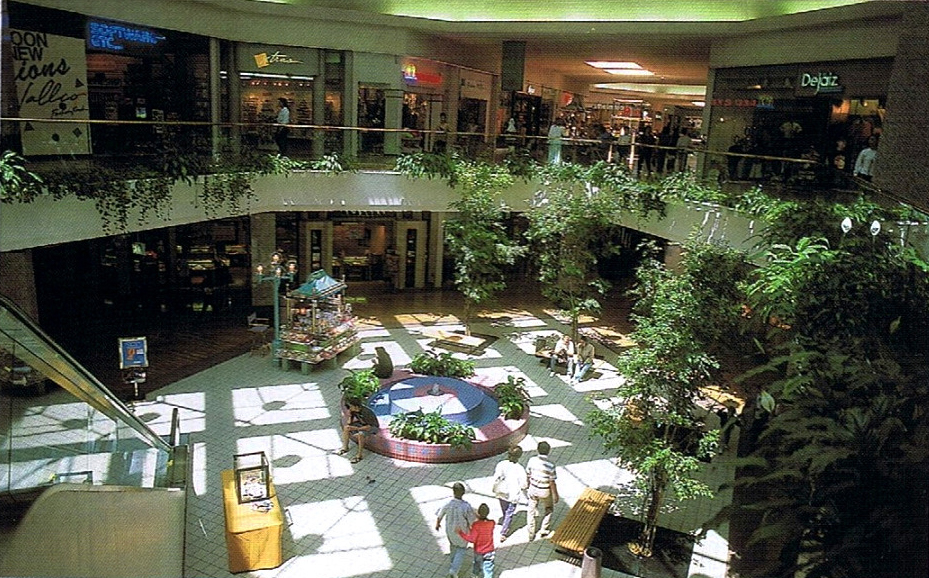
Picture a Saturday when the sun bounced off chrome railings and terrazzo floors, and the air felt faintly cool no matter the season. Coins winked in the central fountain. Somewhere, a blender whirred at Orange Julius, and the food court smelled like pizza, pretzels, and perfume samples. Parents claimed the benches under ficus trees while kids begged for “just one token,” and teenagers drifted from record stores to poster shops to arcades in slow, looping circuits. The mall was a place to be, even when there was nothing in particular to buy.
Under One Roof, All Afternoon
During the ’80s and ’90s, the indoor shopping mall really did feel like a small city with the weather permanently set to “pleasant.” When Southdale Center opened in Edina, Minnesota in 1956, it became the blueprint for the fully enclosed, climate‑controlled mall. Department stores like Dayton’s, Hudson’s, Sears, and Montgomery Ward held down the corners, pulling families in with escalators, bridal salons, and basement bargains. In between were the stops that stitched a weekend together: the cobbler’s bench at Kinney Shoes, the rack you always checked at Lerner Shops, a wall of running shoes at Foot Locker, and cookbooks stacked just so at B. Dalton.

Some malls doubled down on “everything under one roof.” In Pittsburgh’s North Hills, Northway Mall even had an A&P as an anchor — a full supermarket inside the same place you could buy school shoes and a birthday card. Haircuts, photo finishing, eye exams, bank deposits: a to-do list could shrink by half before dinner. It wasn’t simply consumption; it was choreography and social interaction all wrapped up in one.
The Sights, the Sounds, and the Stops That We Made
Looking back, the walks through the corridors and the seats taken at the tables were as memorable as the mall’s storefronts. Fountains were landmarks and wishing wells. The food court felt like a neighborhood square, alive with tray-balancing families and delayed decisions (“slice or stromboli?”). Kiosks appeared like pop-up carnivals — Hickory Farms with tiny toothpick samples, a cart engraving a nameplate while you watched, a seasonal calendar stand stacked with glossy tomorrows.
And then there were the sounds. Long before headphones made shopping solitary, you could hear the place: shoe store radios and tinny in-store playlists mixing with the arcade’s bright metallic symphony. To many, the chorus of arcade machines is one of childhood’s defining soundtracks — a beckoning cascade of jingles, bleeps, and the clack of quarters on glass.
At the far end of a corridor, pet shops drew kids to the window for a look at sleepy puppies and neon fish. Down another, a gift store promised that anything — a frame, a flask, a locket — could be engraved while you wandered. Posters at Spencer’s, sunglasses at Afterthoughts, a test-drive of the newest gadget at Radio Shack— half of the fun was to browse first, decide later.
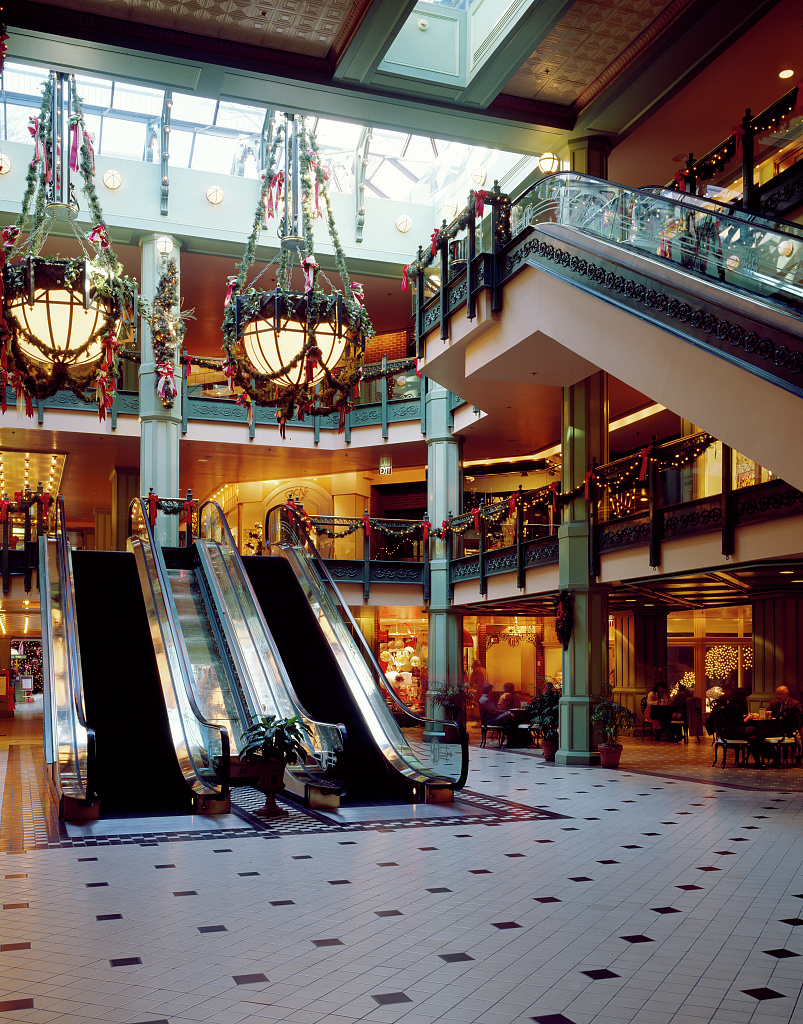
Of course, the mall was also a stage. Santa’s throne transformed Center Court into a glittering North Pole every December. On weekends, talent shows, model train layouts, or a local choir would take over the same space.
Turning Points — and What We Miss Now
As the 1990s and 2000s rolled on, the dependable cast of mall characters started to shift. Some favorites merged into bigger brands. Others downsized to outlet parks or disappeared entirely. A few of these big brands still exist but feel different than their heyday selves.
It’s tempting to merely measure the change in storefronts — Esprit fading, Waldenbooks gone, the glow of neon dimmed — but the deeper change is a social one. Now, shopping can be done from the comfort of your couch and delivered to your doorstep. You never have to leave your living room. You don’t have to interact with other people if you don’t want to.
The mall once offered a public living room. It was a safe place to wander, to people-watch, to have wonderful, small interactions with numerous strangers. These were simple human moments that online carts can’t quite reproduce. There was the act of trying on a prom dress and stepping out for a friend’s approval; cashing a first paycheck and immediately spending part of it on a cassette, a pair of earrings, or a chocolate milkshake; sitting near the planter with grandparents while cousins made one last loop to the toy store. Even the “nothing” trips — the ones that ended with a pretzel and a few flyers in a shopping bag — felt like time spent together rather than time spent scrolling on a phone.
Not every memory was perfect, of course. A long line at the returns desk could test anyone’s patience, and those fluorescent-lit fitting rooms rarely did anyone significant favors. But the mall’s gift was friction — the good kind. You had to walk past a dozen windows to get where you were going. This meant that the day had room for detours. There was the book you didn’t plan to find, a perfume spritz you didn’t know you’d like, a friend you hadn’t seen since last summer.
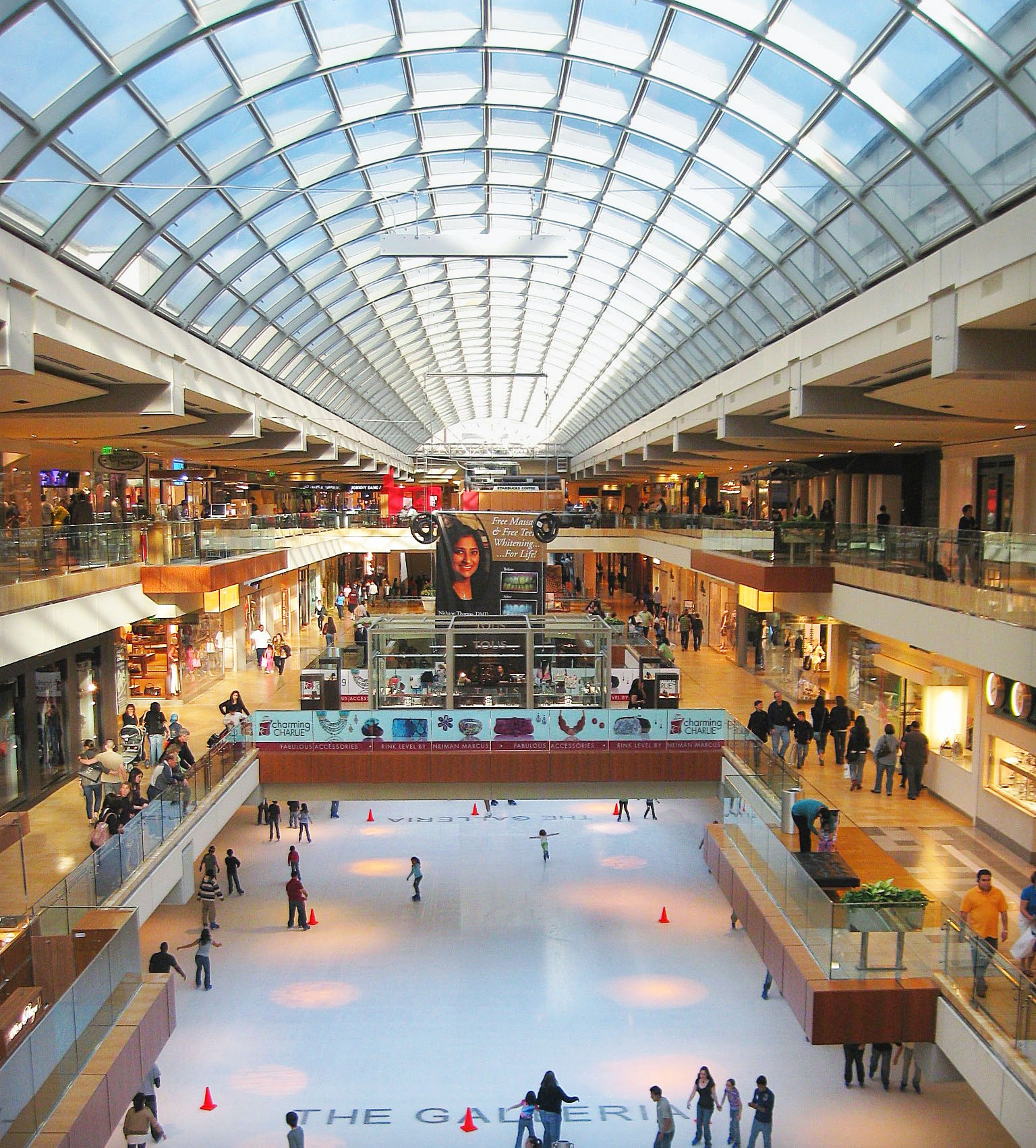
Today, some centers are reinventing themselves with libraries, clinics, or community spaces where anchor stores once stood. Others have slipped into silence. Yet, for anyone who remembers the way a coin made a small splash in the fountain or how a token warmed in a pocket on the way to the next game, the mall remains more than an address. It was a stroll under skylights, a chorus of everyday sounds, and the kind of unhurried time that turned errands into memory.
More to Explore
SKM: below-content placeholderWhizzco for DOT