
When the Basement Turned Into a Lab: The Science Kits That Sparked a Thousand Saturdays
From sulfur smells to rocket smoke, these kits turned spare rooms into classrooms and made more than a few kids feel like geniuses.

The scene is familiar to so many: a folding card table in the basement, a manual propped open with a flashlight, and a goose-neck burner flickering while the house hums upstairs. A parent calls down, “Whatever you’re doing, keep it on the table!” For a certain generation, opening a science kit felt like being handed a passport—not just to the natural world, but to the future itself.
The Golden Age on the Toy Aisle
The age of the space race was more than newspaper headlines—it was a cultural drumbeat. Scientific exploration was at the center of fun and cool-factor. From the late 1950s and into the 1970s, science education surged in American homes, and the toy aisle followed suit. After Sputnik in 1957 put science on the national to‑do list, companies rolled out kits that promised real discovery, not just play. Chemistry sets sat beside electronics labs, rocketry boxes, geology trays, and even home weather stations, while brand names like Gabriel, Skil‑Craft, Logix Kosmos, and Estes winked from colorful lids.
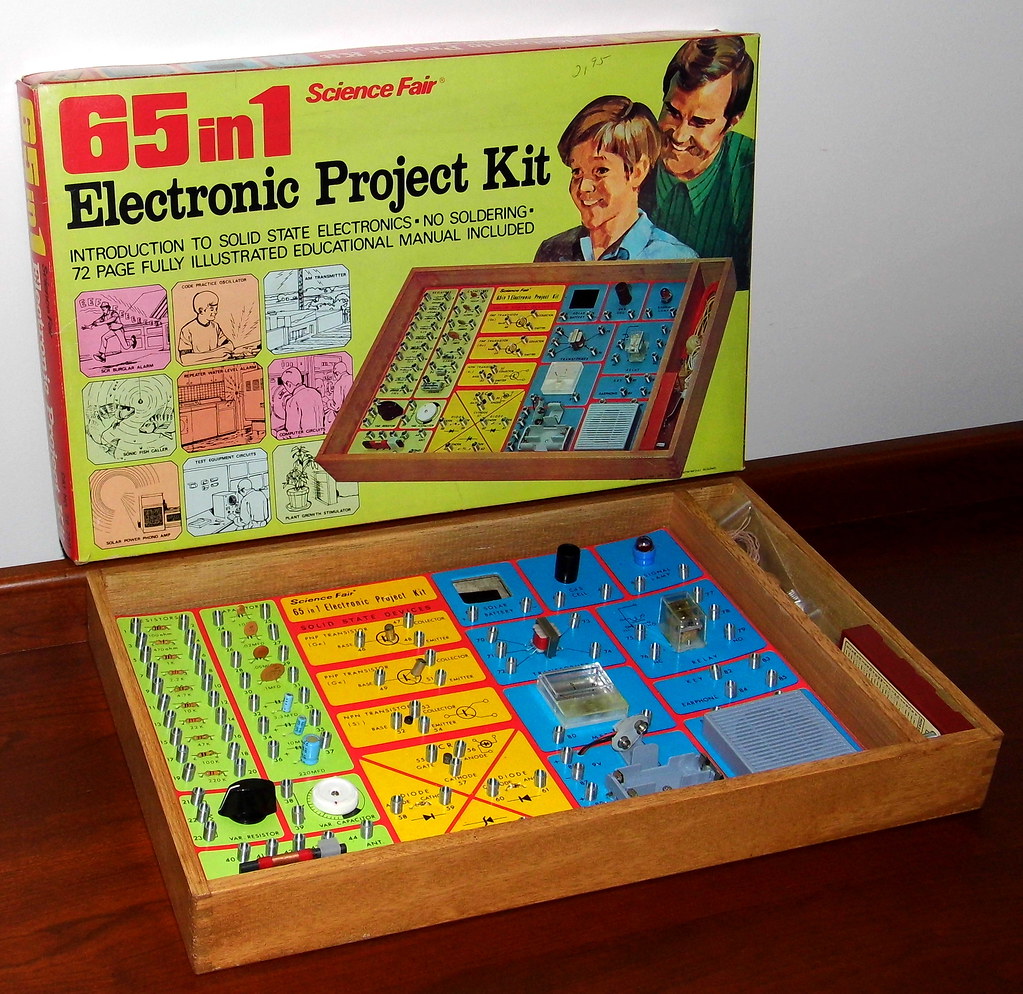
What made them irresistible was the promise of progression. A beginner might start with a 10‑in‑1 electronics board or a simple microscope, then graduate to multi‑experiment chemistry labs with manuals as thick as paperbacks. Model rockets added spectacle—countdowns in the backyard, parachute recoveries in the next field over—and those manuals took pains to teach a kid why a rocket rose and how a parachute fell. Even the packaging spoke to possibility. Case lids often doubled as work trays; there were neat compartments for powders and delicate glassware; and glossy illustrations made every experiment look like a big idea taking shape.
Real Glass, Real Chemicals, and Real Responsibility
These were not kits of plastic pretend. There were glass test tubes and pipettes, rubber stoppers and siphon tubing, pH paper and little vials of powders. Many sets included alcohol burners, balances, and simple scales—tools that taught carefulness as much as curiosity. Manuals offered experiments in color changes, gas production, crystal growth, and flame tests that transformed a kitchen match into a rainbow.
This realism couldn’t last forever. As the 1970s wore on, increasing regulation amid safety concerns brought an end to the heyday of the chemistry set, and some stalwart brands faded or refocused. The trade‑off was clear: safer kits, fewer glass bottles, and a shift toward pre‑measured, demonstration‑style activities. Many parents breathed easier. Many kids missed the sensory drama—the clink of glass, the whiff of something sharp that announced a reaction had really happened.
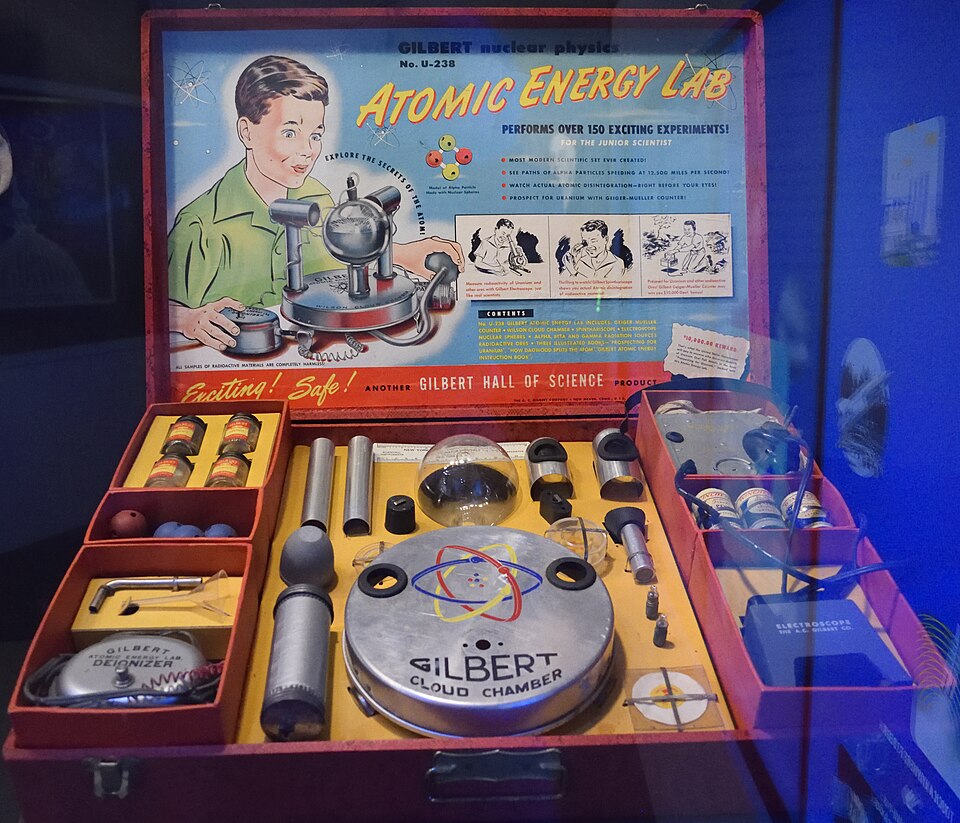

Looking back, that tension is part of the story. Those early sets asked kids to slow down, to measure, to try again after a fizzed‑out reaction or a cracked test tube. They taught persistence alongside phenolphthalein, and turned a Saturday afternoon into a miniature course in controlled risk and real results. However, sometimes that risk was too great.
The Kits That Stuck With Us
Certain names still light up conversations. Electronics boards were a gateway for many tinkerers. Snap‑lead circuits, spring terminals, and little panels that could become a radio, a buzzer, or a blinking light didn’t leave the market. A favorite from the era, the Heathkit Junior Electronic Lab, helped young hobbyists translate the mysteries of resistors and transistors into sound and signal. Condition mattered then and matters now—manuals, intact labels, and all those tiny components had to be present, accounted for, and properly working for the broader machine to work.
Chemistry remained the romantic heart of the hobby, though. Manuals still promised hundreds of experiments and party tricks to show off to the grandparents.
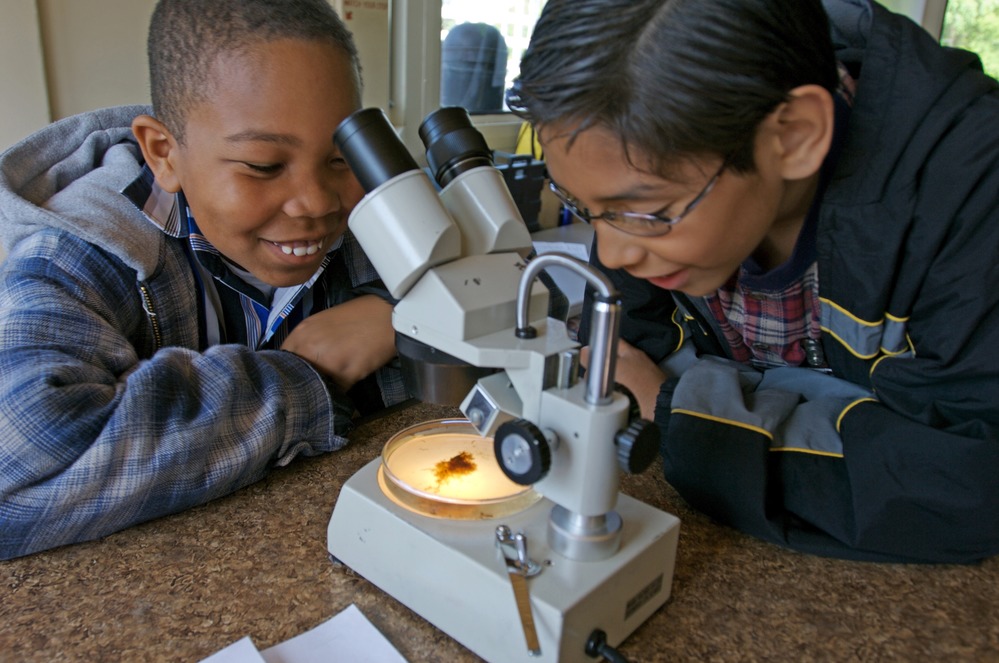
And then there were the cross‑discipline kits that felt like science supermarkets—microscopes paired with geology specimens, or domed terrariums that let you test light, humidity, and soil in tidy little worlds under plastic.
Not every kit has aged well in the light of today’s sensibilities. Some sets were packaged and pitched in ways that reinforced limits—pinks and pastels that steered girls toward “helpers” rather than discoverers. Others, like the short‑lived atomic‑energy kits of an earlier decade, seem almost unbelievable now in their ambition. But they still do testify to a moment when curiosity was the star of the show, and when a good manual could make a basement feel like a research lab.
Today’s kits are often safer, tidier, and wonderfully broad—from crystals that glow to beginner robots built with code—but the heartbeat is the same. Hand a young person the tools to explore, give them a space to try, and watch Saturday become a story they tell for the rest of their lives.
More to Explore
SKM: below-content placeholderWhizzco for DOT