

The Eighth Wonder of the World has long been used as a selling point to imply something of majestic beauty or grandeur. So often this title is a dubious one at beast. But, the other seven wonders are not something most of us know these days and that’s because most of them are no longer standing.
Ancient Wonders of the World
Ask any search engine or seek the advice of a modern travel guide and you’ll find all kinds of manmade and natural sights on a list of must-see destinations guaranteed to fill you with awe. The wonders of the world were the ancient equivalent, albeit limited to places that had been conquered by the armies of Ancient Greece and mainly contained to sights that were manmade. Early texts from the era advised travelers of the empire on where which sights to see. And, there wasn’t just one guide book- there were dozens, some of which we still have excerpts from today.
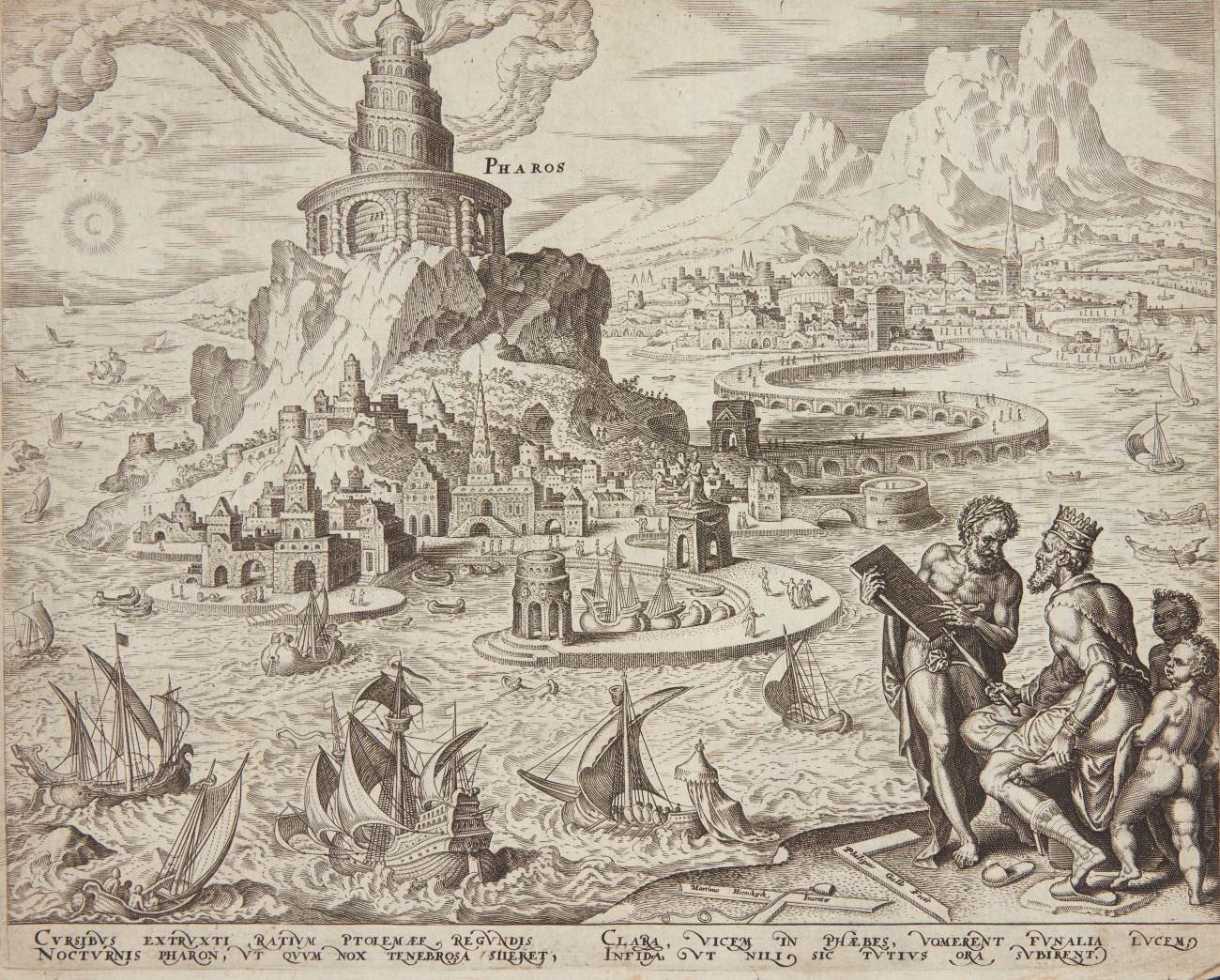
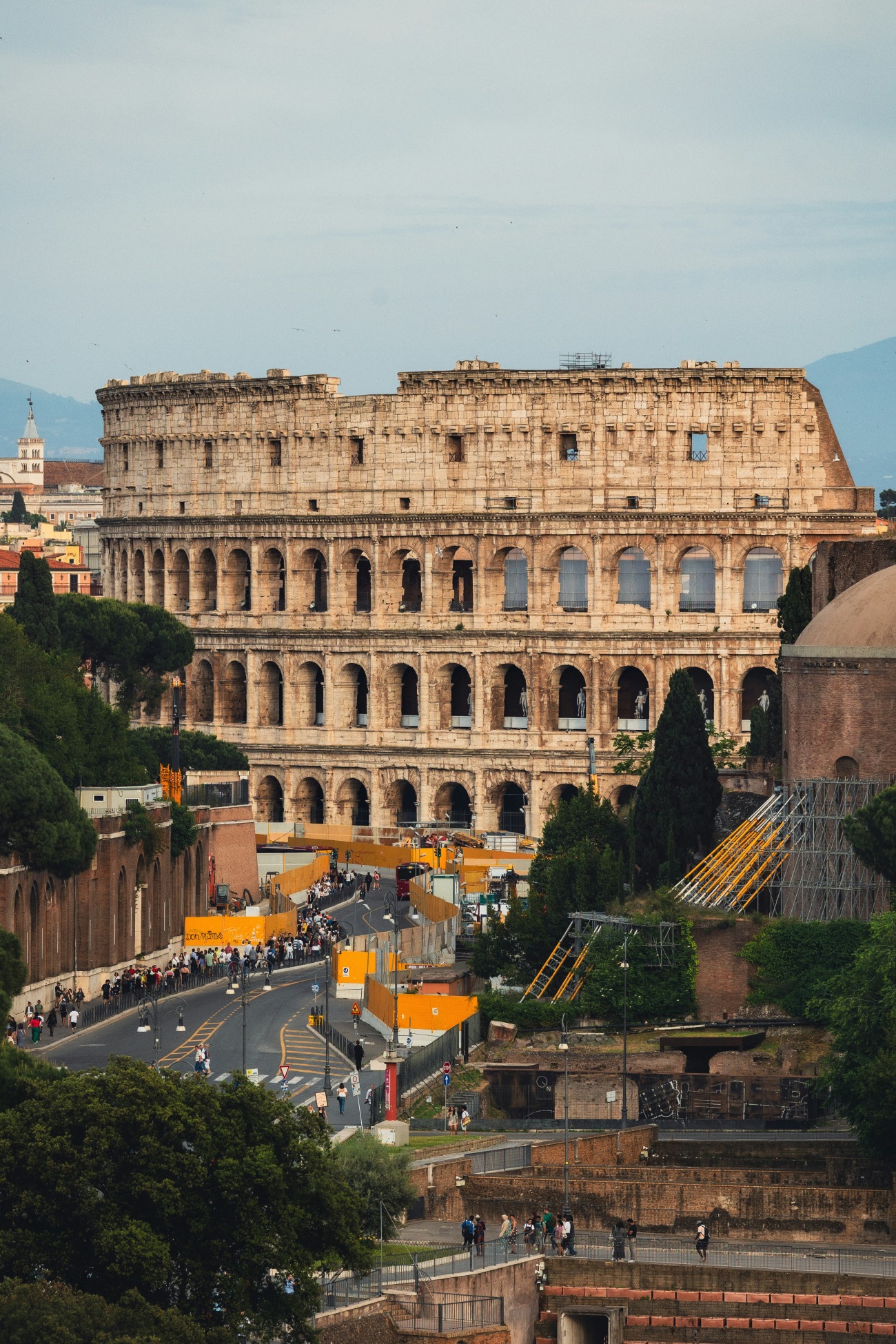
By the 16th century books were still being written about the wonders of the world. However, by this point some of the wonders had already been destroyed. A further handful of wonders were now thought to have been fictional. What this means is that there really was never any agreement on what all the Seven Wonders of the World were. A list that many still use to this day was written in 1572 by Flemish engraver Philips Galle, called Octo Mundi Miracula, which is actually 8 wonders and includes the Colosseum. This structure had not been built when many of the early travel texts had been written so the world will nbever know of the Ancient Greeks would have considered a wonder to behold.
The list tends to include many of the following places:
The Hanging Gardens of Babylon in Iraq (unconfirmed history)
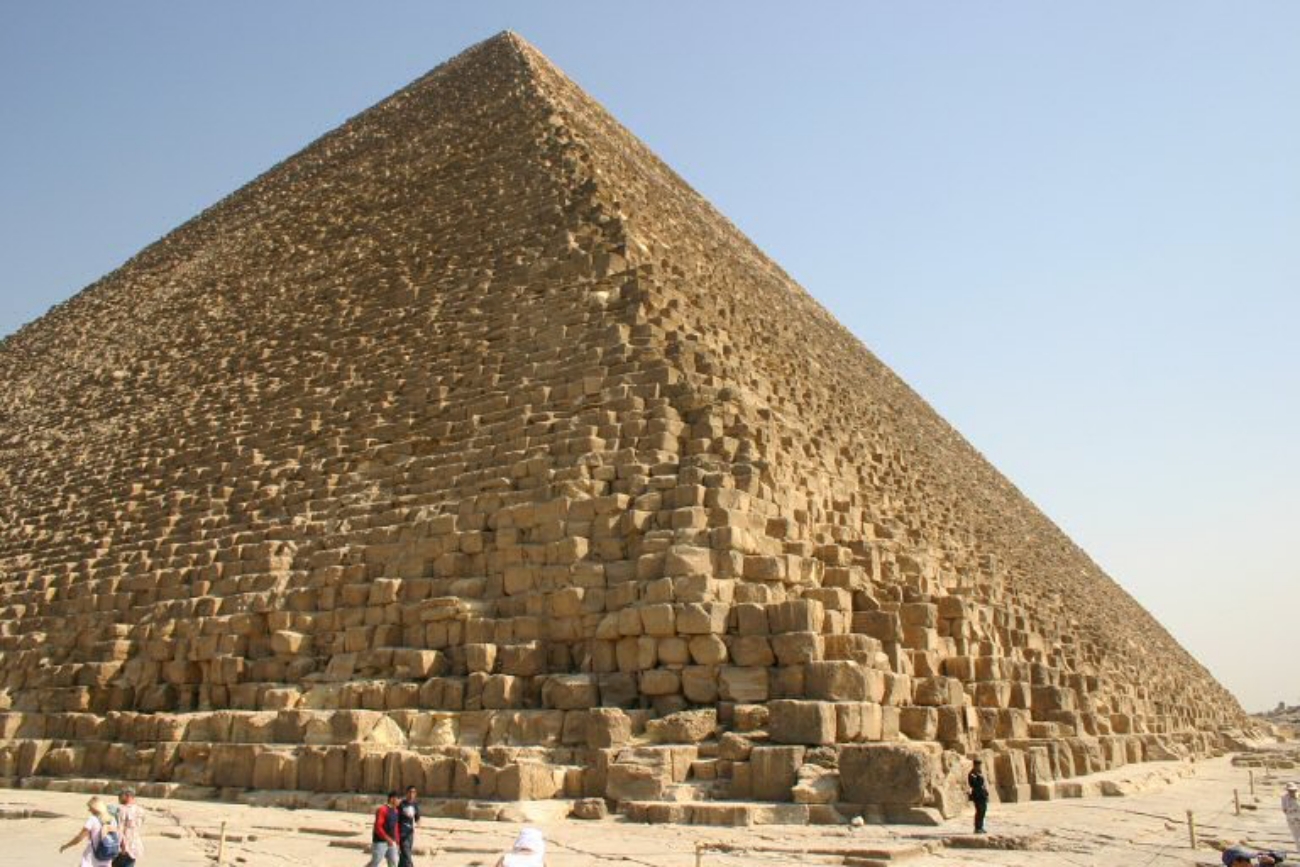
The Great Pyramid of Giza in Egypt (still standing)
Colossus of Rhodes in Greece (destroyed by an earthquake in 3rd century BCE)
The Lighthouse of Alexandria in Egypt (destroyed by an earthquake in 14th century)
The Mausoleum at Halicarnassus in Turkey (destroyed by earthquakes)
The Statue of Zeus at Olympia in Greece (destroyed by fire after it was moved to Constantinople)
The Temple of Artemis at Ephesus Turkey (destroyed by fire and looting)
Of the ones on this list the Great Pyramid of Giza is the only one still standing today.
It’s incredible that the places humans consider worthy of visiting change so much over time or based on who you ask. For that reason alone it’s hard to say what the true wonders of the world are – even the lists from antiquity don’t agree on which sights to visit!
Today’s Wonders
Modern day lists of the “New” Wonders of the World often include both natural and manmade sites and include many regions of the world. Many of these lists include areas unexplored or unknown to the Ancient Greeks while they were writing their texts.
These “new” wonders of the world often include:
Chichén Itzá in Mexico
The Colosseum in Italy
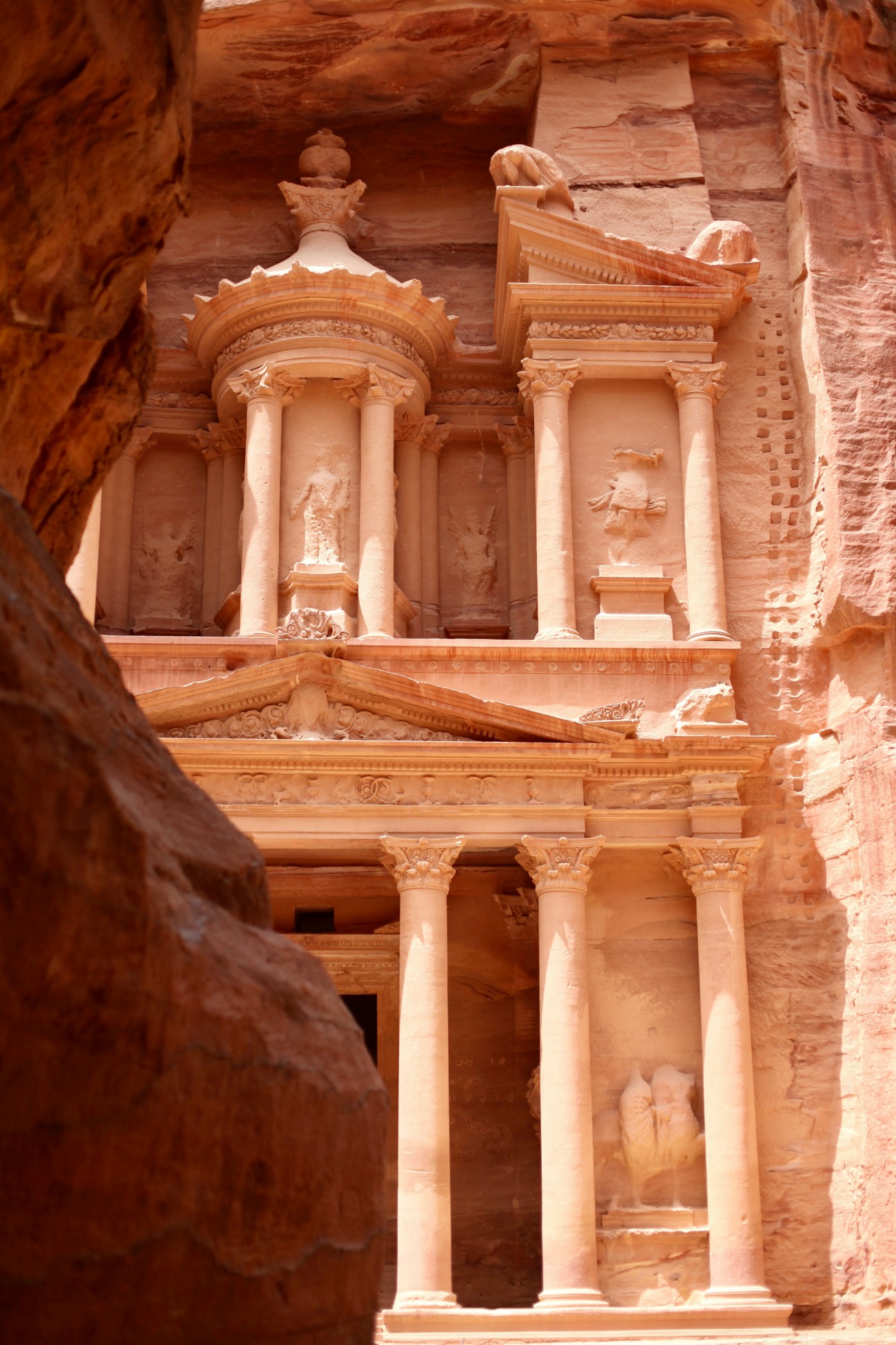
Petra in Jordan
The Great Wall of China
The Taj Mahal in India
The Grand Canyon in the US
Mount Everest in Nepal
Stonehenge in England
Victoria Falls in Zambia and Zimbabwe
Christ the Redeemer Statue in Brazil
The Great Barrier Reef near Australia
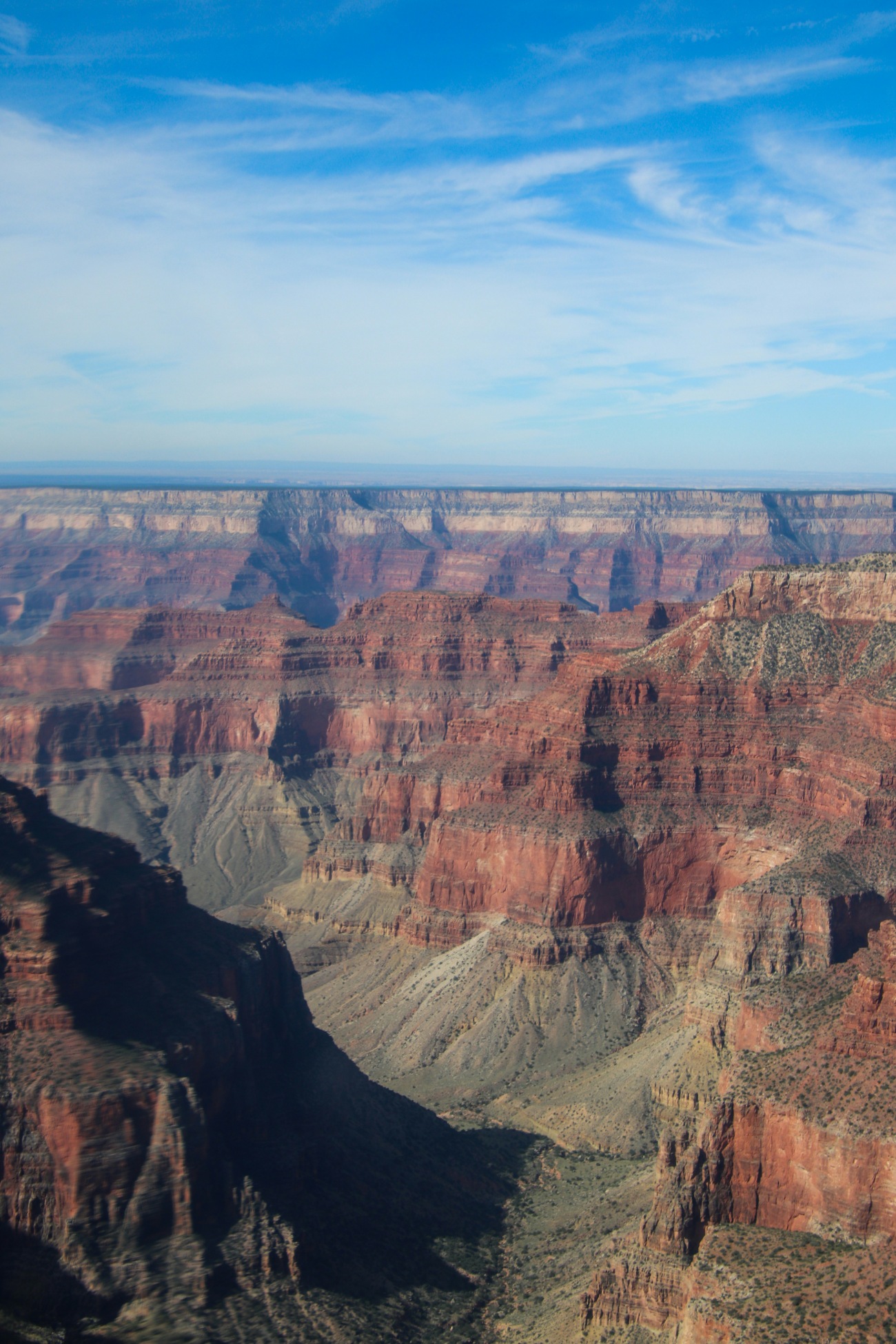
What would you put on a list of current natural and manmade wonders?
More to Explore
SKM: below-content placeholderWhizzco for DOT