
Hear the One of the Oldest Known Songs in the English Language
The author is unknown, but the melody is beautiful.

In the 1200s in England and Europe there were books, music, and entertainments of various kinds. But, they were expensive and rare. Fewer people knew how to read, musical instruments were quite costly, and prior to printing presses books were made one at a time by hand. While people of all classes would have had songs they enjoyed singing, few of the tunes from the Medieval period survive in writing today. However, there is one and it’s a gentle tune that petitions listeners to revel in the joys at hand. In fact, it’s one of the oldest non-religious songs recorded in the English language.
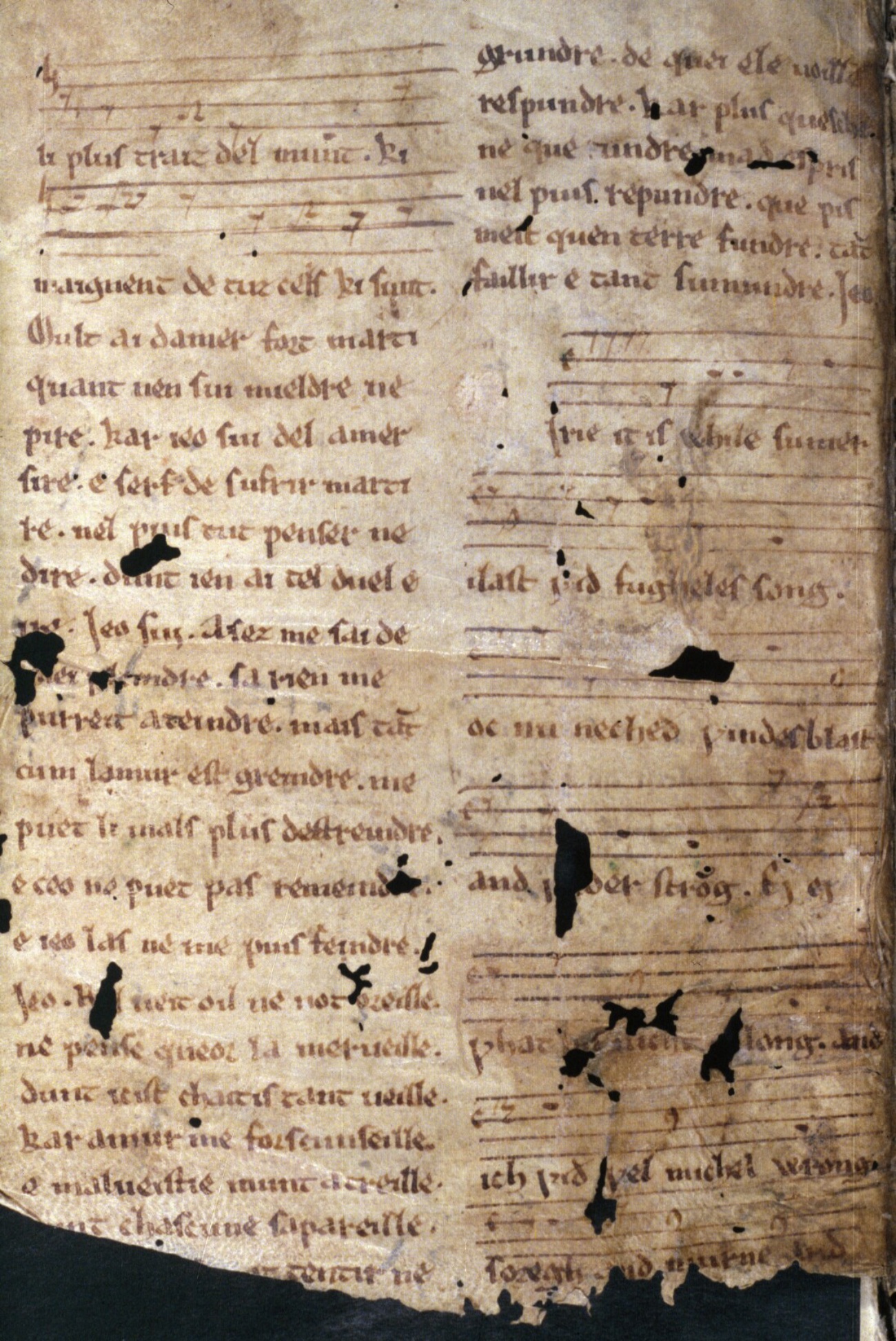
At first listen it might not sound like English, and that’s because it’s actually written and sung in Middle English. This early form of the language contains many of the same root words we use today, but with a few flourishes here and there that show the Germanic influence on the speech. The song dates to the early 1200s, a time when the English language as we know it was still developing.
“Mirie it is while sumer ilast” means “Merry it is while summer lasts” – a reminder to enjoy what is available now, as it can all change with the winter winds or the change of seasons. We have to assume that a big component of this song relates to food and comfort. Back then the plentiful summer gardens faded in winter and people had to subsist on preserved foods, winter vegetables (much fewer in number), grains, and dairy.
In addition to the scarcity of food, keeping warm back then was a struggle. Inside homes the cracks let the wind in and spaces were heated with fire. Homes were dimly lit with candles or very small rushlight lamps. The lack of light, food, warmth, and enjoyment made these times rough for most people. But, when the sun came out again for summer all was right again with the world.
The song was written down in the 13th century not only with lyrics, but also with the musical notation. The song pages are in the collection of the Bodleian Library at Oxford. After being transcribed in the early 1900s musicians today are able to sing and play this song as if no time has passed at all.
The lyrics translate to:
Merry it is while summer lasts
With birds’ song;
But now draws near the wind’s blast
And weather strong.
Ei, ei, what, this night is long!
And I with very great wrong
Sorrow and mourn and fast.
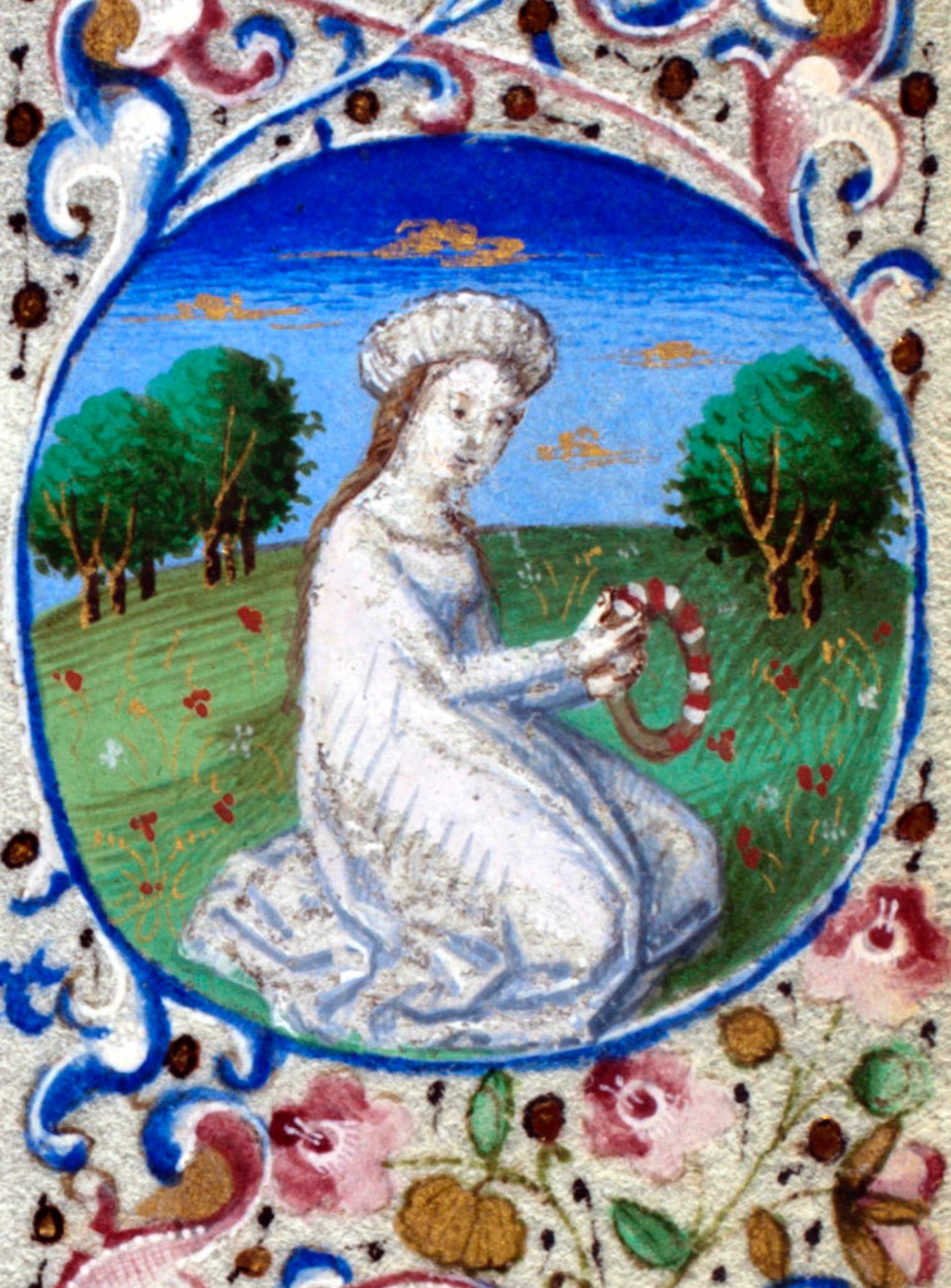
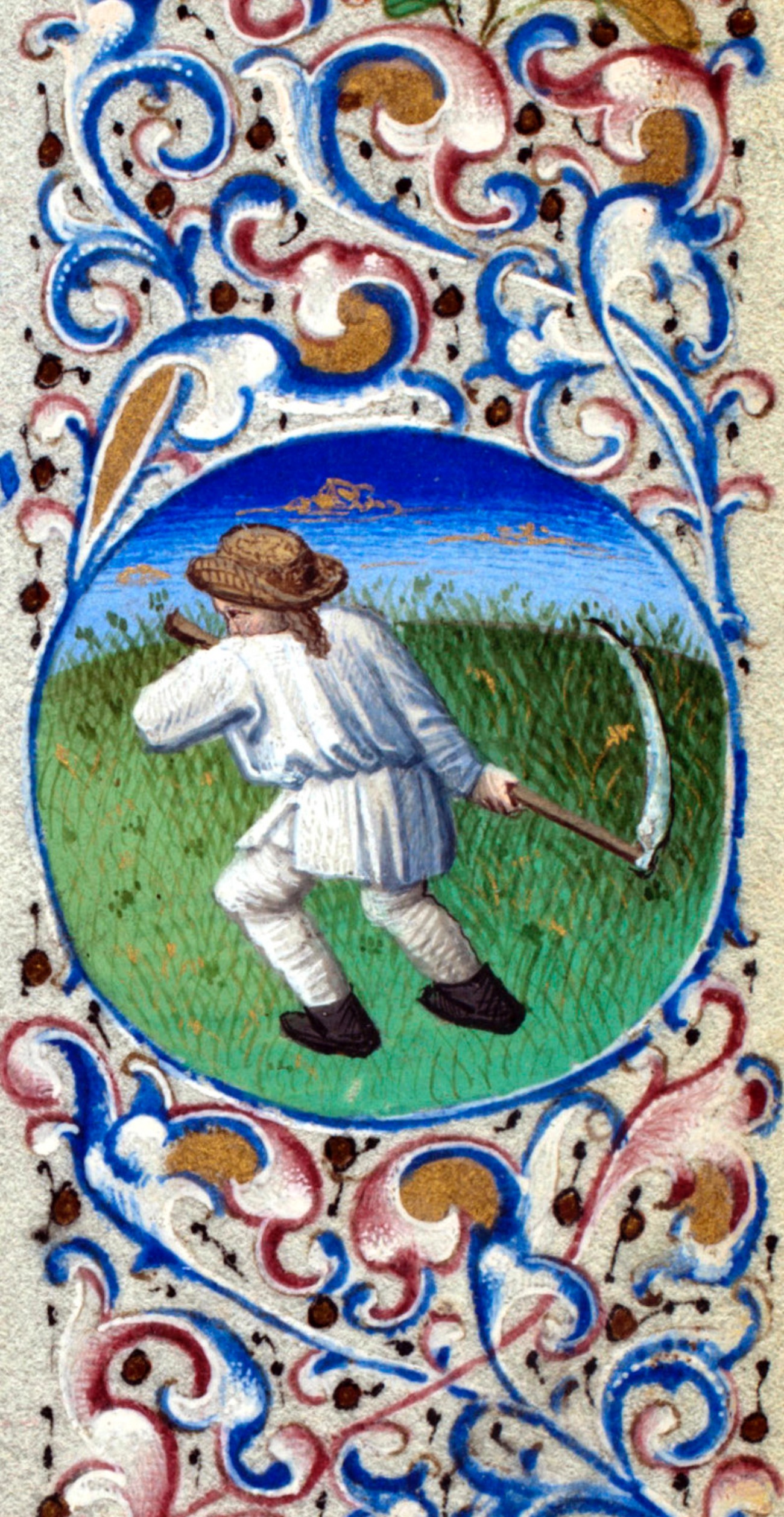
In the 1200s this song might have been sung with zither, harp, or even possibly a lute. There is only one known verse and the author is unknown. The parchment this song, and 2 French songs along with it, were written on was torn from an older volume and used as the lining paper for a later collection of psalms. However, the song itself is a rare example of early secular music.
Parchment was so precious that it was reused whenever possible, giving fragments of older books new life to be discovered centuries later. How lovely that someone inadvertently saved this melody from being completely forgotten!
You can hear an adaptation of this beautiful song in the video below.
More to Explore
SKM: below-content placeholderWhizzco for DOT