

Peeling the old layers from a building can be an exhausting task. Years of dirt and grime, insects, or even mold or asbestos can be lurking underneath. But, sometimes it can also be an exploitation into other time periods. Walls especially can reveal the many phases of a house- how it was used, who lived there, how it was decorated. At the Cedar Bridge Tavern in Ocean County, New Jersey, the restoration of this historic site has uncovered many of the layers used to decorate and furnish the building.
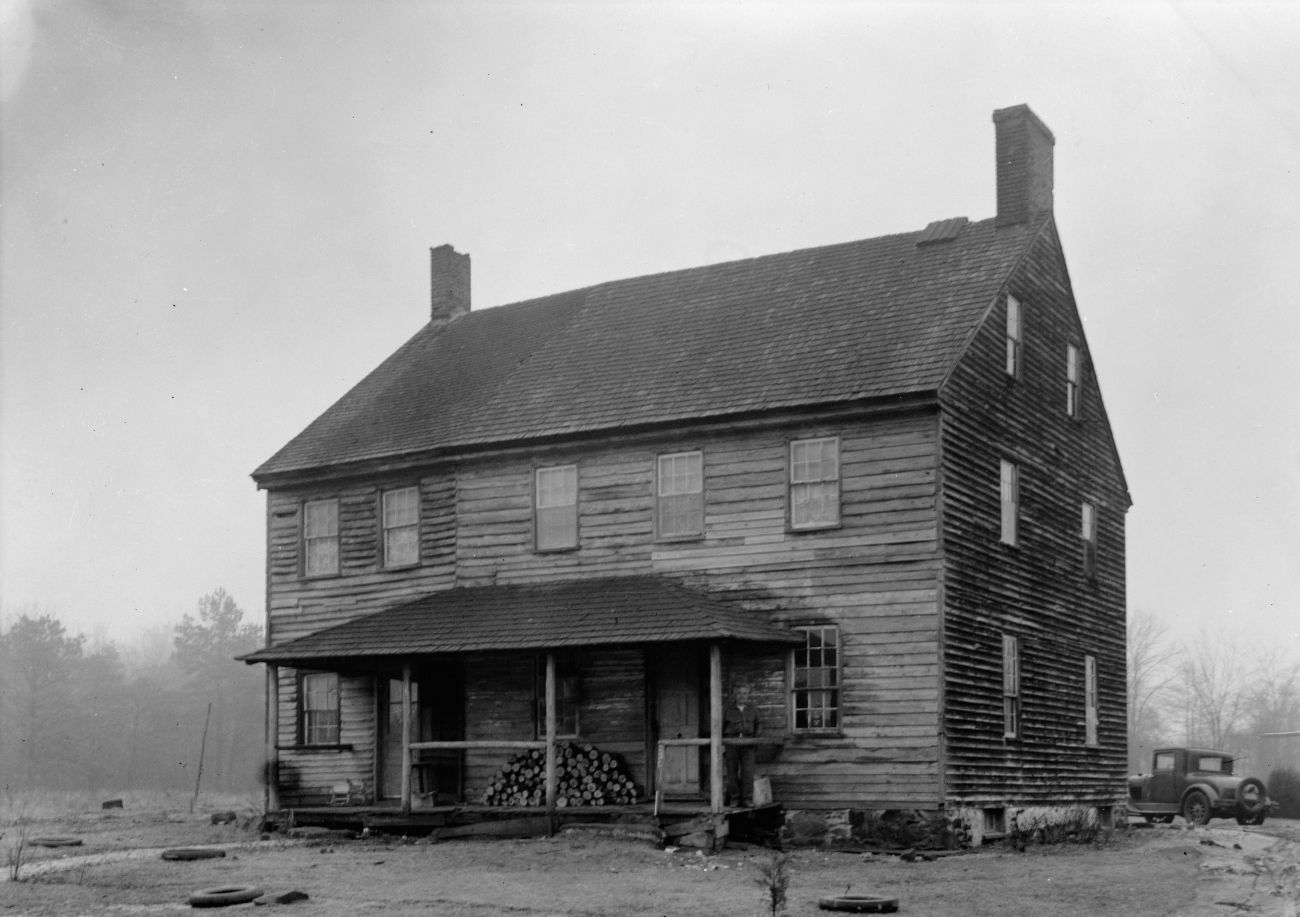
The Cedar Bridge Tavern was a site pertinent during the American Revolution. The building that stands there now was constructed in 1816, but a tavern was there on the same site as early as 1740. The building looks much like a home since that’s how most rural taverns were in those days.
The Treaty of Paris talks began on Nov. 30th, 1792, and effectively ended the Revolutionary War. King George III acknowledged the 13 colonies in writing by 1783, thereby ceding sovereignty over what would become the US. But, in December of that same year, even after the fighting had stopped, one final skirmish took place at Cedar Bridge when loyalist John Bacon and some of his supporters were nearing the tavern. In the end Bacon and several others were wounded and one Patriot was killed. Thus, the site holds an important place in history as the last battle in the fight for independence.
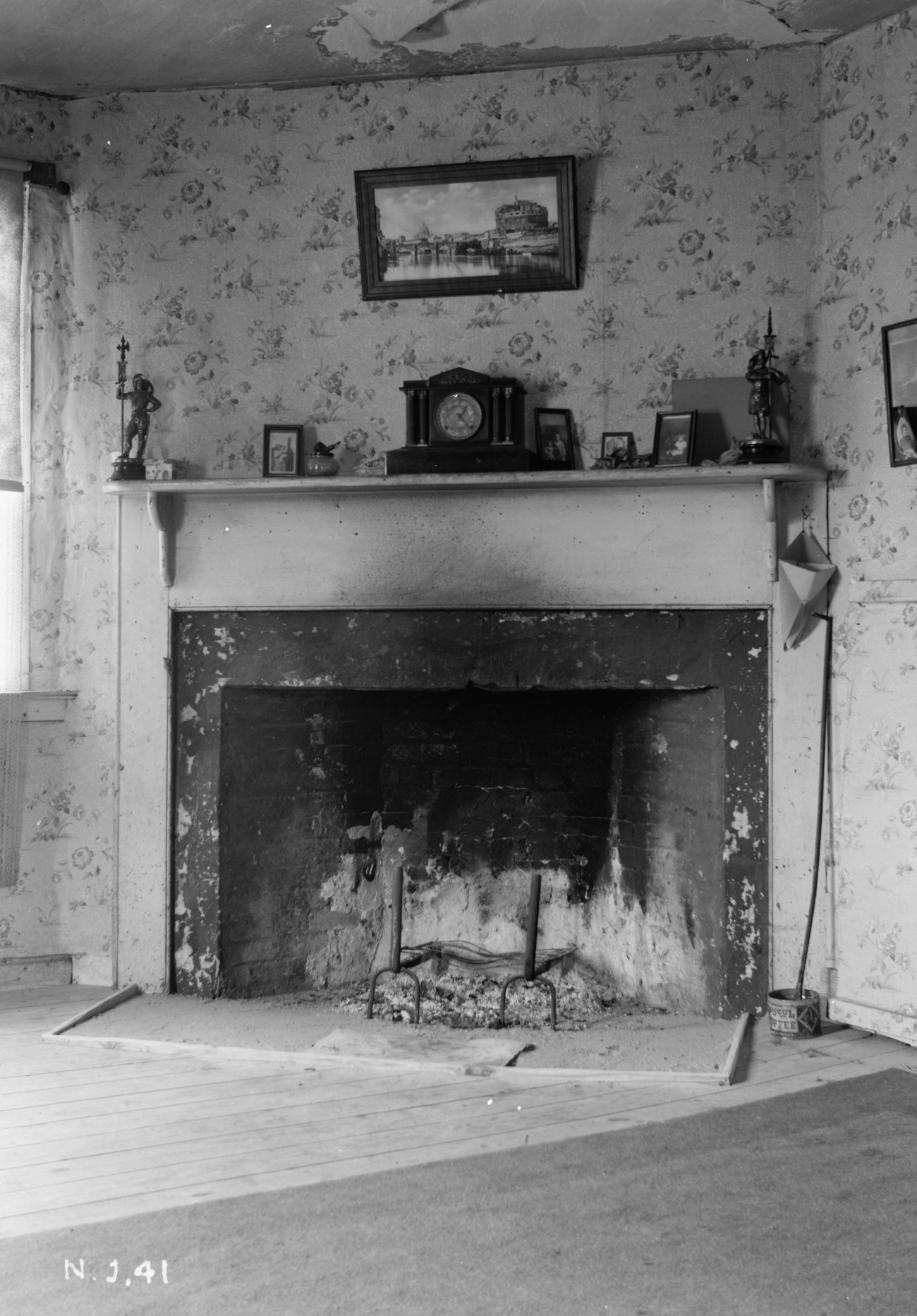
The tavern retains nearly all of its original character thanks to former owner, Rudolph Koenig, who bought the property in 1959 and lived there in relative solitude until his death in 2012.
While some changes were made during that time, like adding a hot tub outside, much of the the original trim and fireplaces were all saved thanks to Koenig. He also kept the original floor plan, complete with an early bar in the same place it had always been in the tavern.
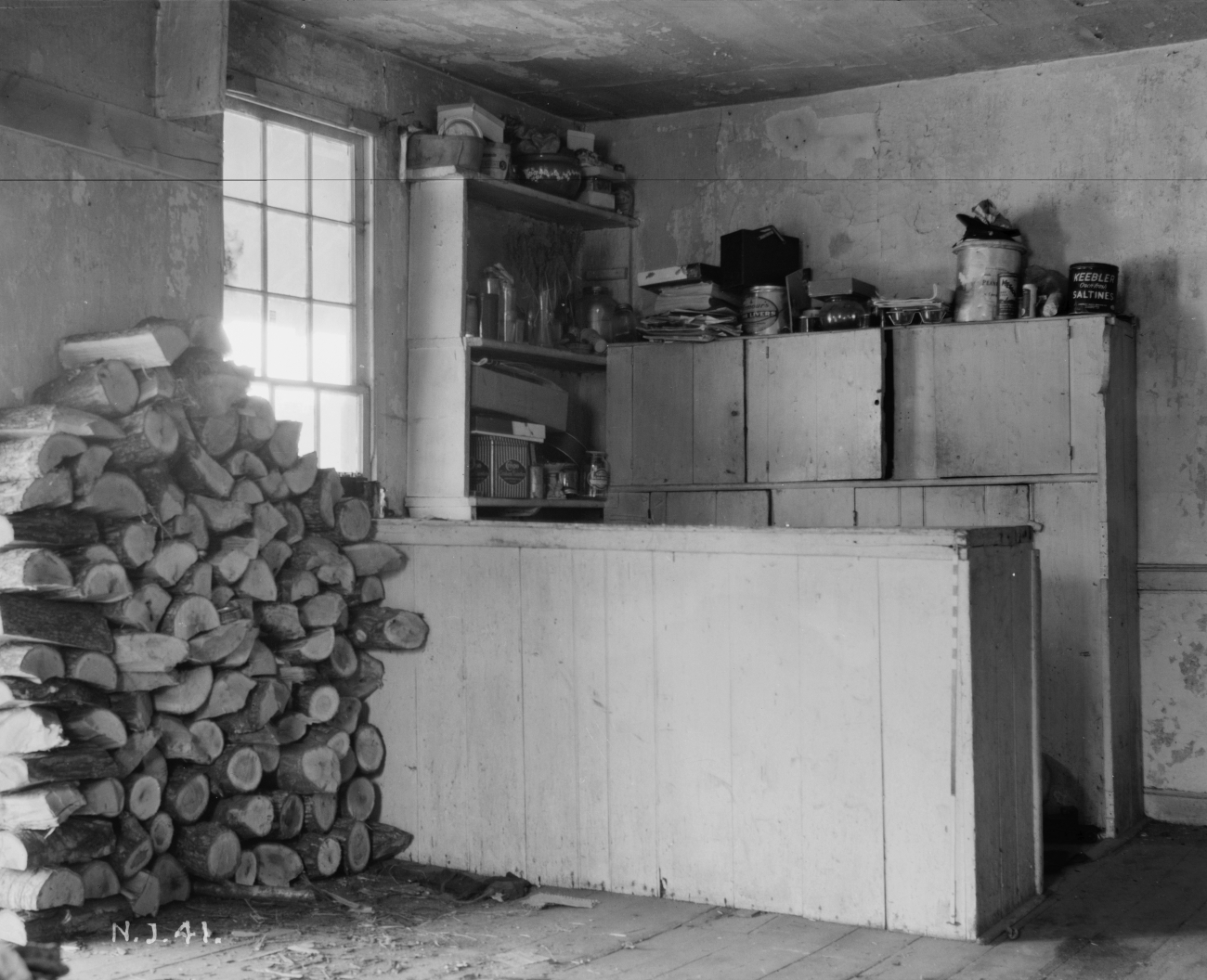
In the kitchen mid-century knotty pine cabinets had been installed over layers of wallpaper, each of which traces the history of the site and of home fashions. The first layer is paneling that would have been painted white with oil paint. The first layer of paper over that is a faux marble tile texture from around the Civil War era, complete with grout lines, in a reddish color.
One of the layers over that dates from the late 1800s and features penny paper, inexpensive paper that was intended to provide a cheap and quick way to spruce up a space. It also breaks down rather quickly when compared to other types of wallpaper since it is of much lower quality.
Architectural conservator, Christina Burris, said of the wallpaper inside, “It seems like a silly little product to so many of us, but it tells us a lot about how people were using their spaces and what they thought of them.”
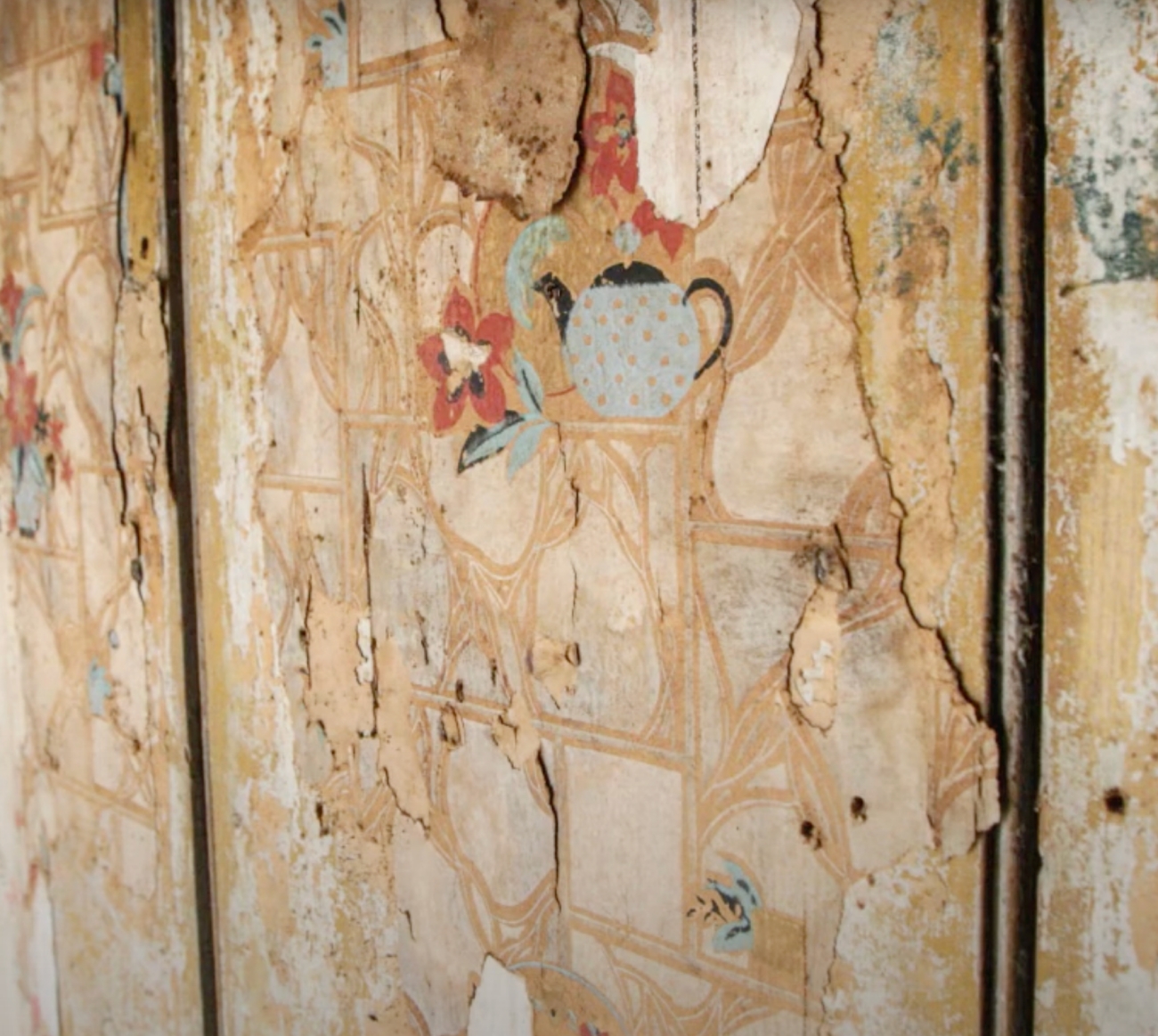
There are layers that look Art Deco in style, with little dotted teapots on the pattern, as well as the final layer of wallpaper before the cabinets went in – an abstract pattern that looks 1940s or 1950s in style.
In total there are 7 layers of wallpaper, a feature that will be kept on display so that visitors to the site can see the evolution of the building and also learn about the history of wallpaper in America. The restoration was completed in 2018 and public events are held there every December to commemorate the last skirmish with Bacon.
Have a look at the many layers on this one wall in the video below.
More to Explore
SKM: below-content placeholderWhizzco for DOT