

Despite the many books she wrote, some of them published posthumously, and the many letters she penned, we have surprisingly little information about how Jane Austen passed away. The author was responsible for essentially creating the modern romantic comedy with books like Emma (1815), Pride and Prejudice (1813), Mansfield Park (1814), and Sense and Sensibility (1811). She was a prolific storyteller and spent long hours writing to her sister and her friends. Yet, her cause of death remains a source of great speculation even to this day – in part because many of her letters are gone.
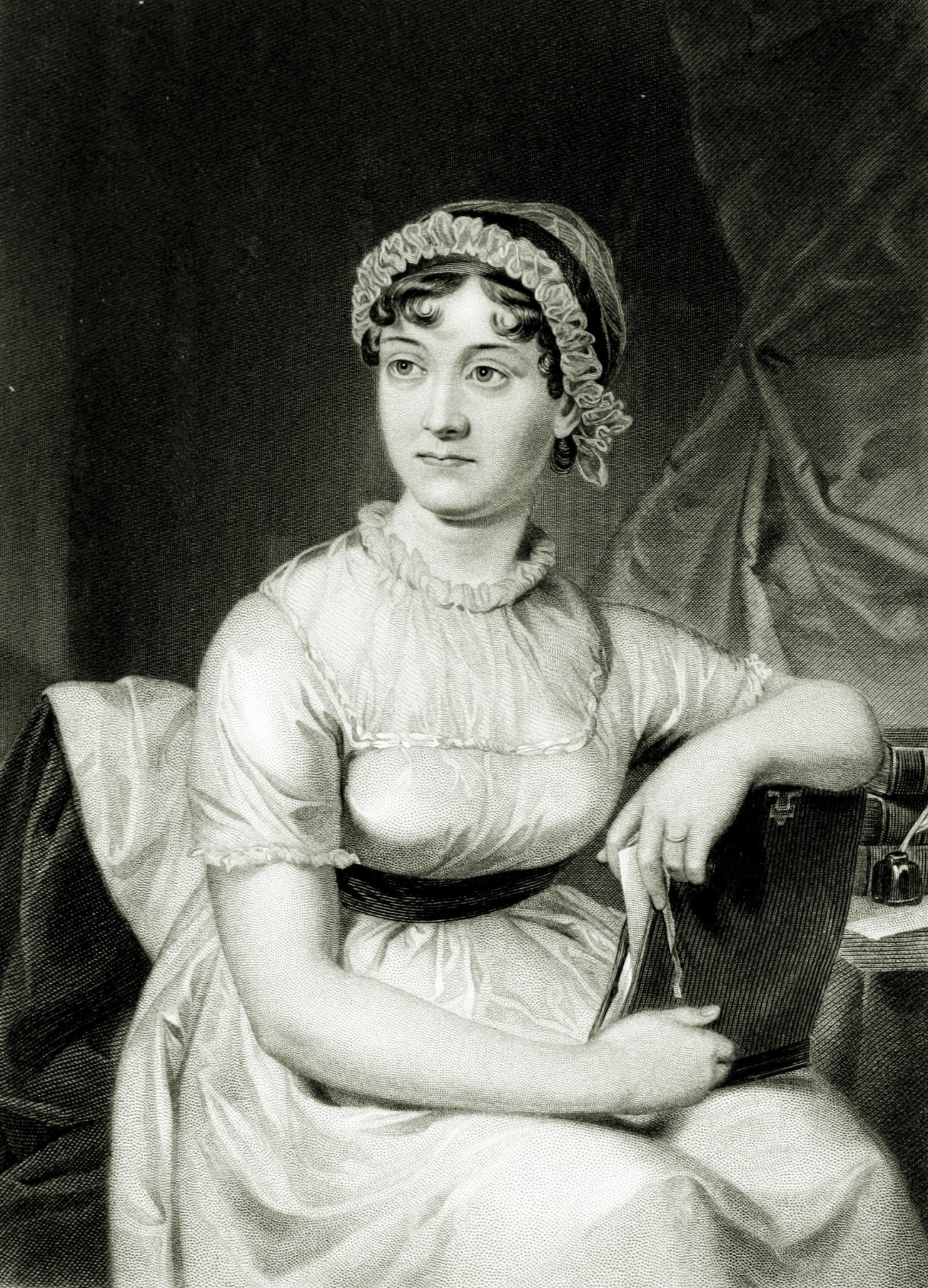
Of the 3,000 or so letters she is estimated to have written only about 5% remain today as most of them were destroyed by her loved ones in an attempt to keep her privacy. There are several theories on why her letters were burned. One is that her sister Cassandra was her confidant in life and as they wrote to each often and about everything there may have been family quibbles and gossiping between the two that Cassandra didn’t want the public to read, lest it spoil her sister’s name. Another is that Cassandra may have been extra-protective of her sister’s letters after the scandal of Frances Burney, a lady writer who’s letters posthumously had been published and lambasted in the press.
Those who knew Austen found her to be an intensely private person and the letters that do survive show her to be flirtatious, engaged, brutally honest, and even a bit whiney at times. No doubt we would have seen her in a different light had we been privy to the entirety of her dialogue with her sister.

Surely in some of those letters more clues about her her death might have been found, as the ones that exist today show that she explained her care, her symptoms, and her doctors to her loved ones. When Austen died at age 41 in 1817, it was in line with life expectancy in England during the early 1800s. According to the UK Office for National Statistics, the average age of women at the time of death during the early 19th century was between 40 and 45 years of age. Still, her years-long illness has lead to a host of speculations about the cause of her death.
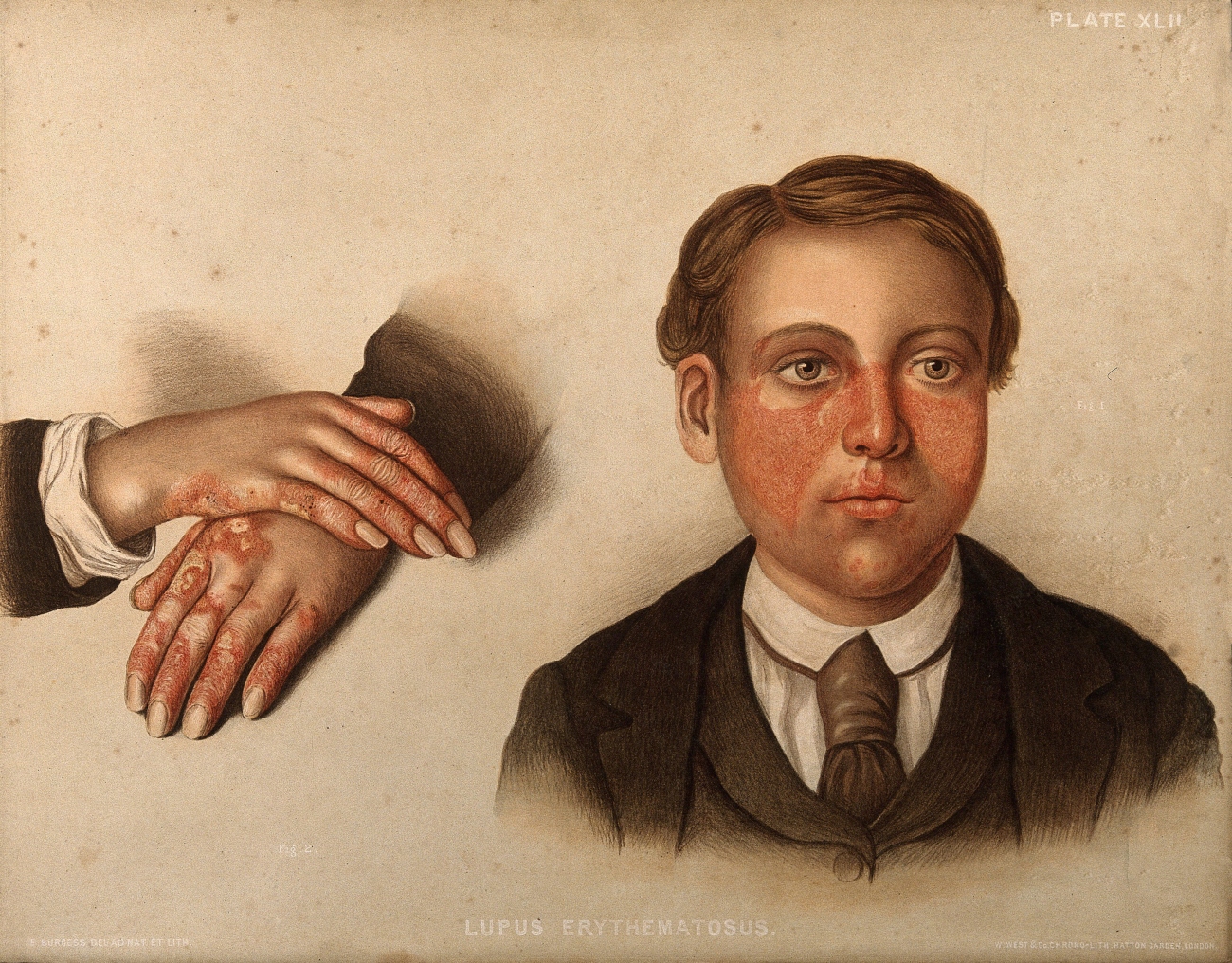
Austen had a number of symptoms in her final years that included fevers, skin discolorations, aching joints, and exhaustion. In one letter written close to her death she wrote, “I am considerably better now and am recovering my looks a little, which have been bad enough, black and white and every wrong colour.” The changing of skin color has led some to now believe that she had Lupus, a often-debilitating and sometimes deadly autoimmune disease that is still evading doctors to this day. Jane was only 41 when she died after at least a year of ailments. A study of her remaining letters by two doctors in 2021 led them to believe it was lupus that killed her.
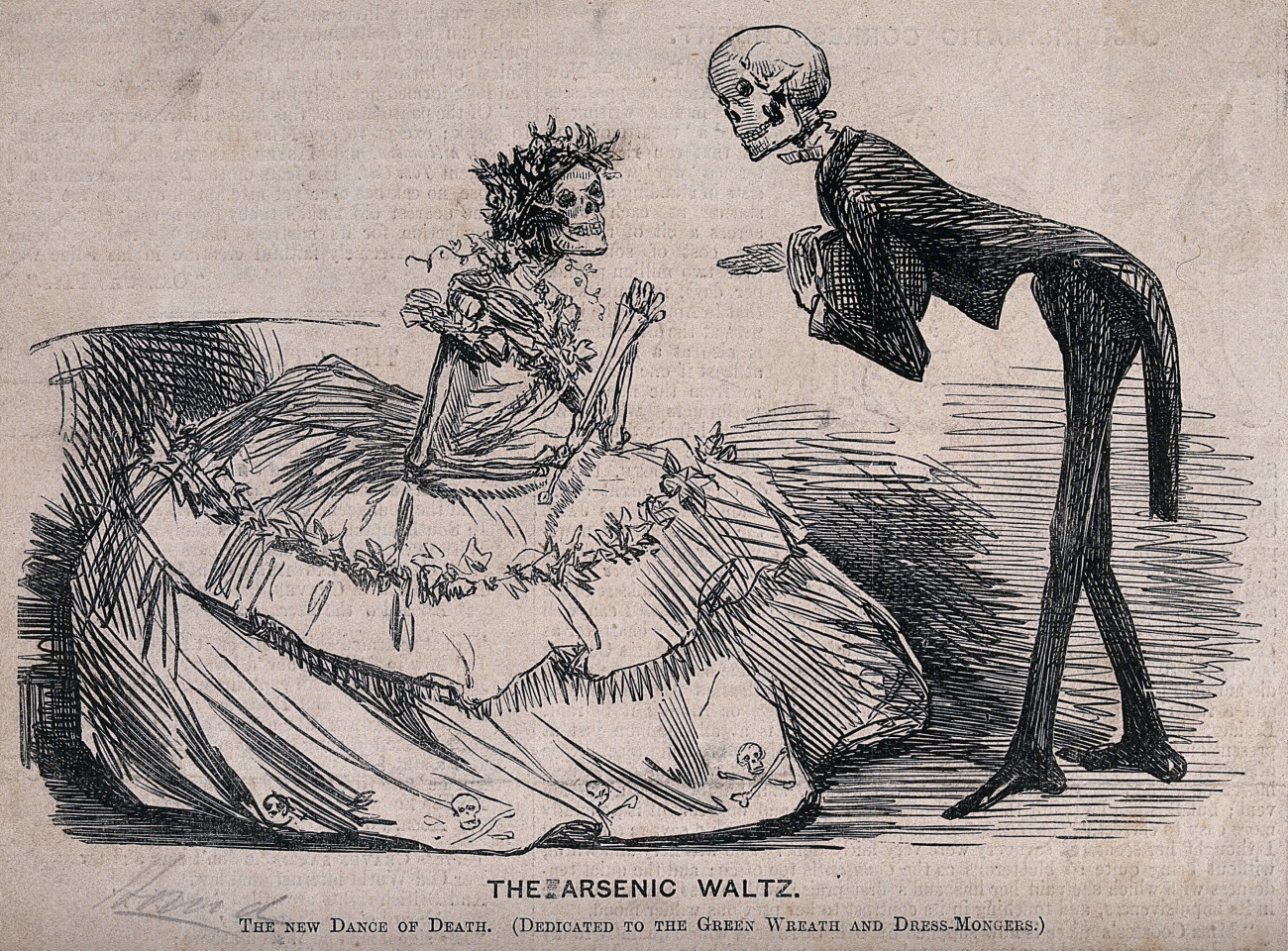
Another theory that has gained some attention is that Austen may have she may have suffered from arsenic poisoning, specifically that she might have been murdered- albeit perhaps not on purpose.
Author Lindsay Ashford believes it’s possible that she was given arsenic in some kind of medicine or cure-all, as it was a common additive in many remedies of the era. However, it can cause all manner of symptoms from mild stomach upset in lower doses to pain, fever, and death at higher levels.
One of the things arsenic poisoning can cause is a skin discoloration called “raindrop pigmentation” which has led some to interpret Austen’s description of skin color changes as arsenic poisoning. A lock of her hair came up positive for arsenic. But, it’s important to keep in mind that arsenic was used for all kinds of things back then, from fabric and wallpaper to cure-alls and beauty aids. It wasn’t until the 1860s that wider knowledge of the toxicity of arsenic changed how it was used in industry.
Other theories on Austen’s deadly illness included Hodgkin’s disease and Addison’ disease, an autoimmune condition that can include fatigue, muscle weakness, skin color changes, and sweating -among other symptoms. This same condition afflicted John F. Kennedy and was managed through “vitamin” injections and other treatments.
The disease can be fatal if left untreated, but was not named or studied in Austen’s lifetime. It was discovered in 1855 by Dr. Thomas Addison.
Hodgkin’s lymphoma is another suspected cause of Austen’s death and would explain the fevers that plagued her off and on during her illnesses. This cancer of the lymphatic system was not as not identified until years after she died.
With the lack of documentation about her symptoms, the lack of medical advances, and the similarity of her episodes with so many different conditions, we may never have enough clues to understand what Jane Austen really died from. No doubt new theories will continue to pop up as her letters are analyzed and as the study of medicine advances.
More to Explore
SKM: below-content placeholderWhizzco for DOT