
How Butter Became an Everyday Staple
It was once forbidden during certain times of year.

“Butter-eaters” was once an insult in Ancient Greece, where olive oil was favored. It is suspected that butter was invented in Neolithic times in Africa and it was embraced by peoples living in the cooler climates of Northern Europe in the classical and medieval eras. The cooler climate made butter last longer. By the 12th century the king of Norway made a bucket of butter one of his collected taxes, so that he would never be without it. But, it wasn’t until the bending of Lenten rules that butter was seen as an acceptable food for everyday use.
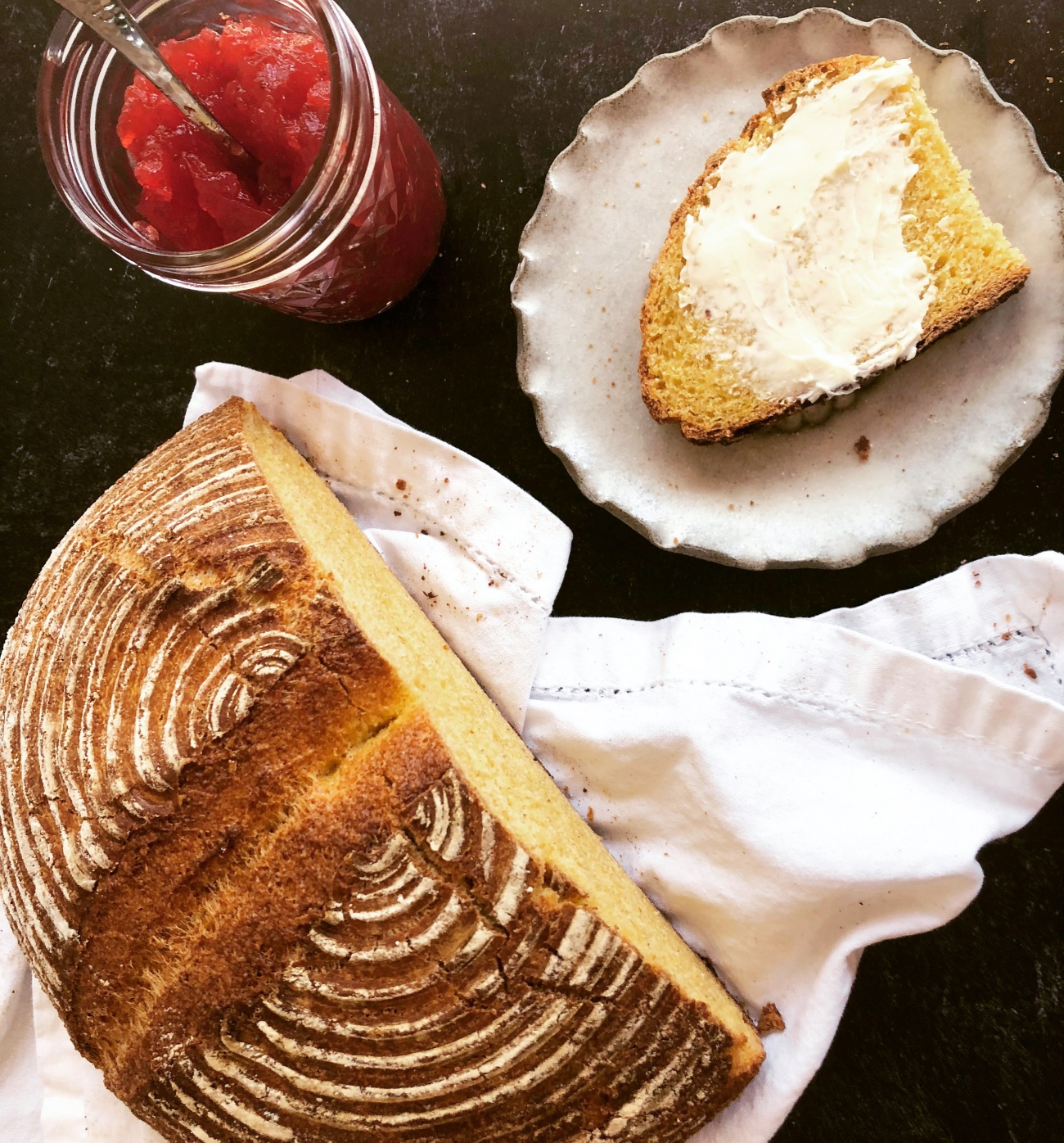
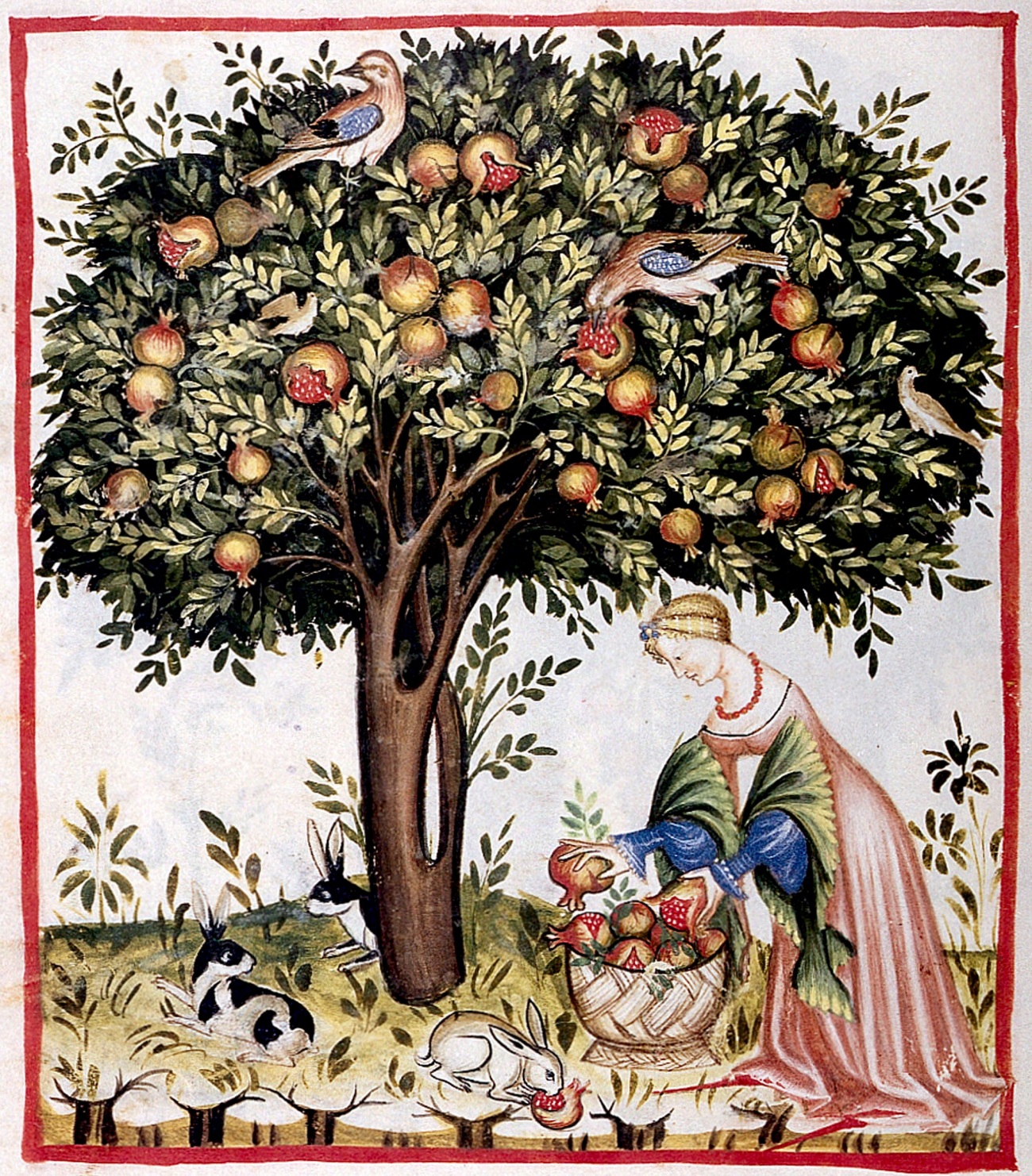
The link to religion is important as most animal foods were not endorsed for Christians to consume during Lent. Having butter during Lent was something that had previously been forbidden. Back in the Middle Ages it wasn’t just meat and sweets one gave up for Lent, but most animal products as well (not including fish). Butter, eggs, milk, and cheese were usually forbidden during this holy time of sacrifice.
But, those who wanted to indulge in some cheeky butter could do so- for a price. This practice dates back to the Catholic church in Germany in the 9th century when parishioners could be granted permission from the church to eat “fat” (ie butter) during Lent.
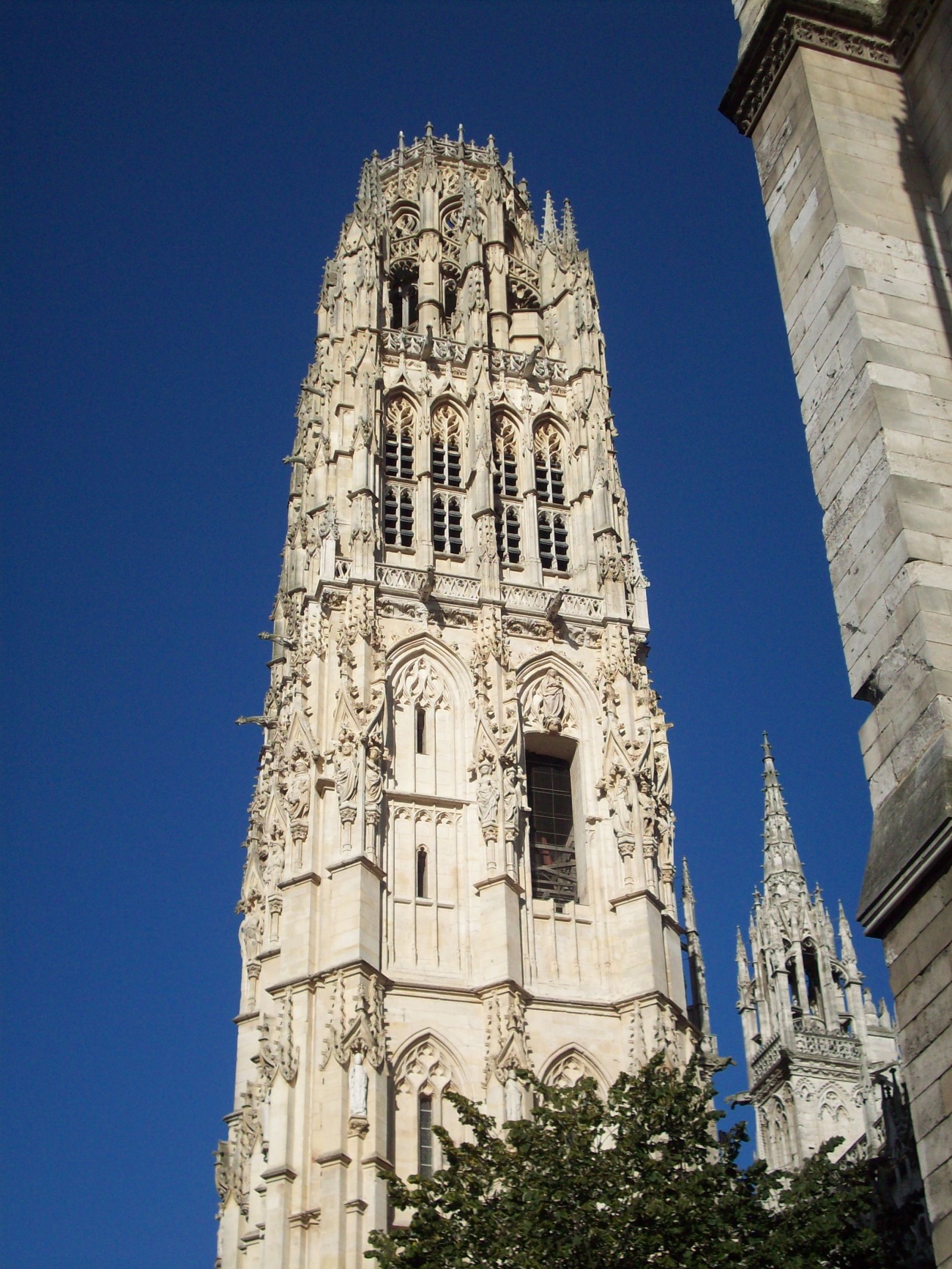
Construction on the Tour de Buerre (the Tower of Butter), part of the Rouen Cathedral in Normandy, France, began in 1485. It was completed in 1506 and consecrated in 1507. It gets its name because it was built with funds donated to the church from those who wished to receive an absolution for their eating of dairy during Lent. For a donation of 6 livres tournois (French coins) the Lenten “purchase of such indulgences” (as butter) was granted by the pope.
The Gothic tower was made to rise into the sky with its spindly spires and “crown” on top. And, it contained the then-largest bell in all of France. To say the the fundraising was a success would be an understatement. A great number of parishioners wanted to enjoy creamy butter during a time when other food options were not allowed.
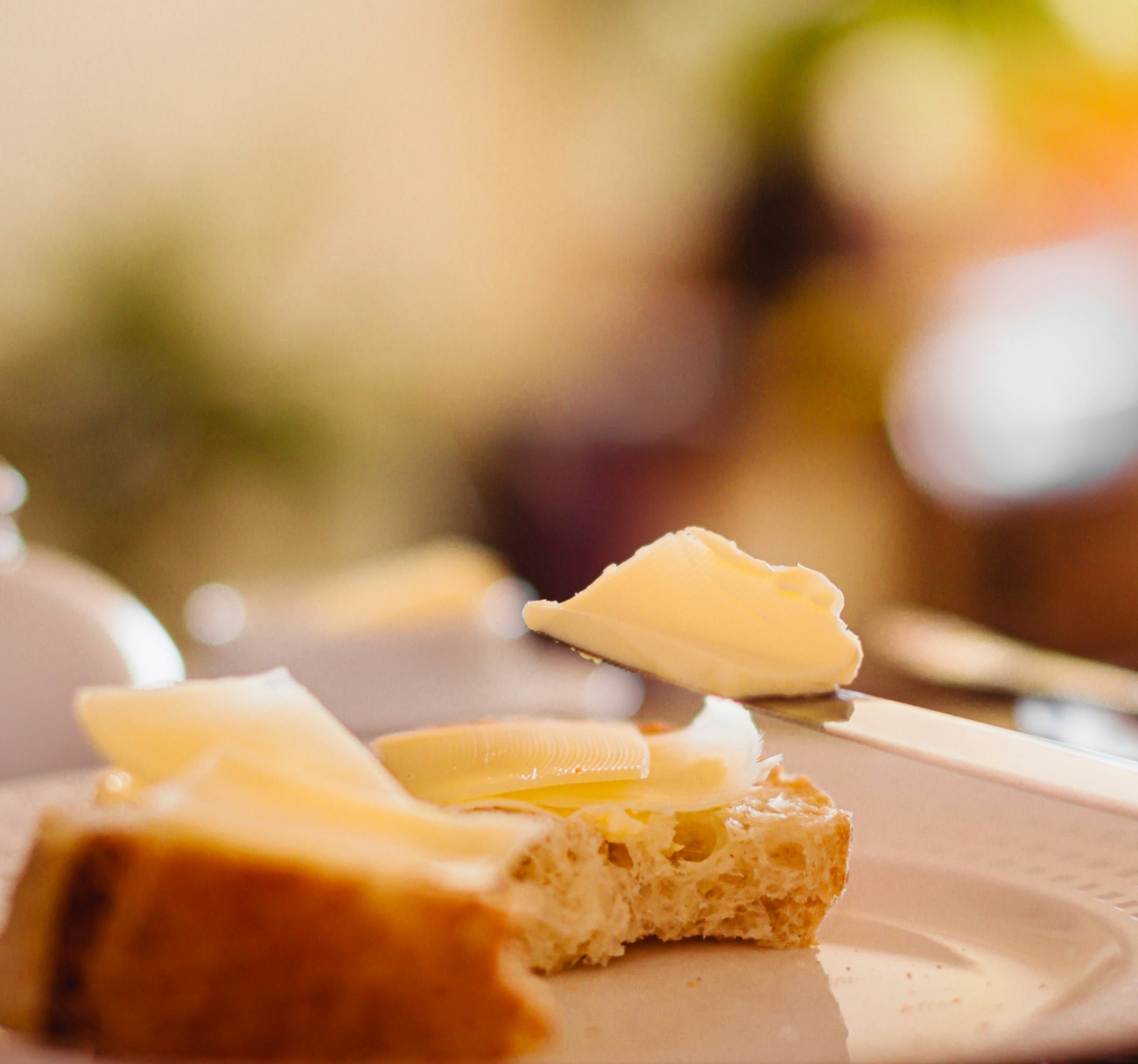
This switch meant that butter came to be seen as food acceptable during any season and it was enjoyed by all classes. Not surprisingly butter on bread had been a staple in poorer households as it was filling, inexpensive, and readily available. But, the wealthy also enjoyed the rich flavor and baking uses of butter. In the mid-1800s Napoleon III offered a reward for anyone who could come up with a cheaper substitute for butter since it was so popular. He was also looking for a good butter substitute for the army to use.
In response chemist Hippolyte Mège-Mouriès built upon the work of earlier scientist Michel Eugène Chevreul to create margarine, which not only was cheaper than butter, but could be stored for much longer.
Since then we’ve had many butter substitutes, but many people agree that nothing tastes quite like the real thing.
SKM: below-content placeholderWhizzco for DOT